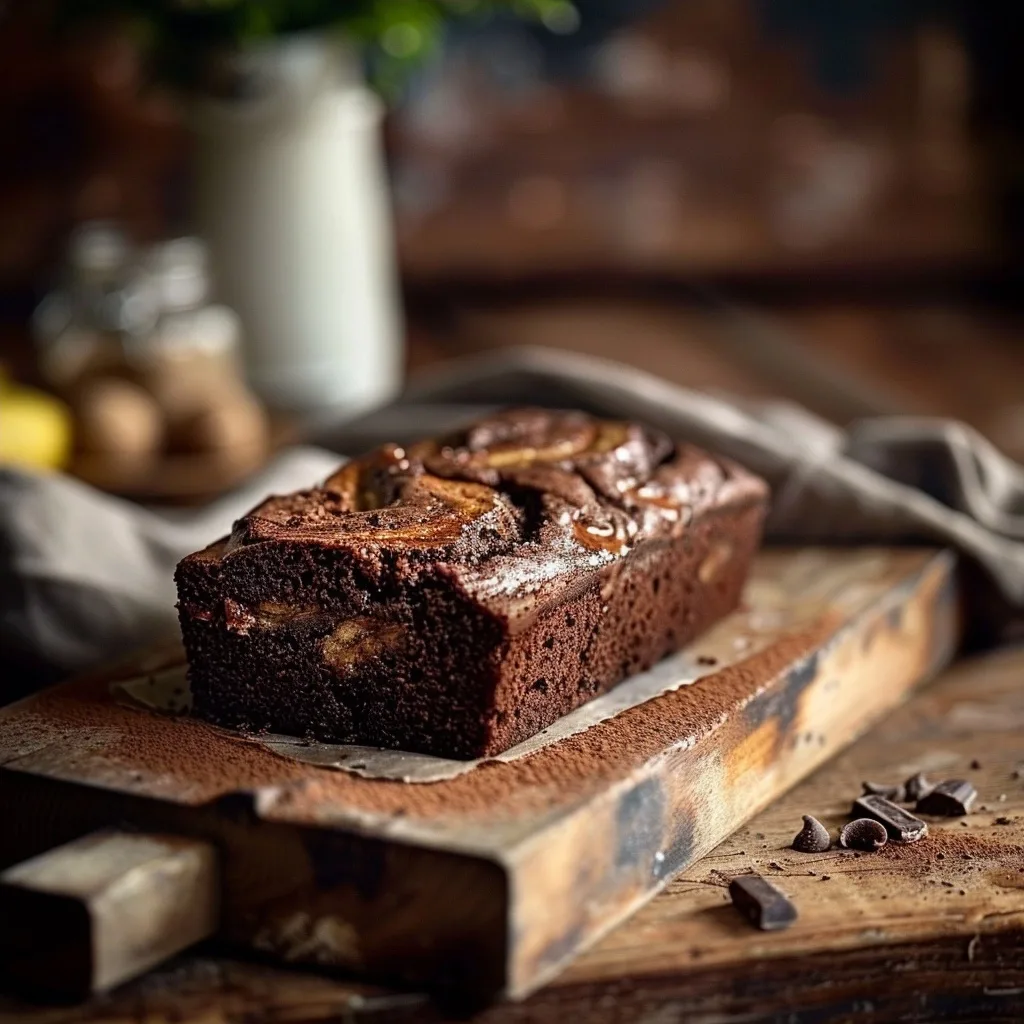

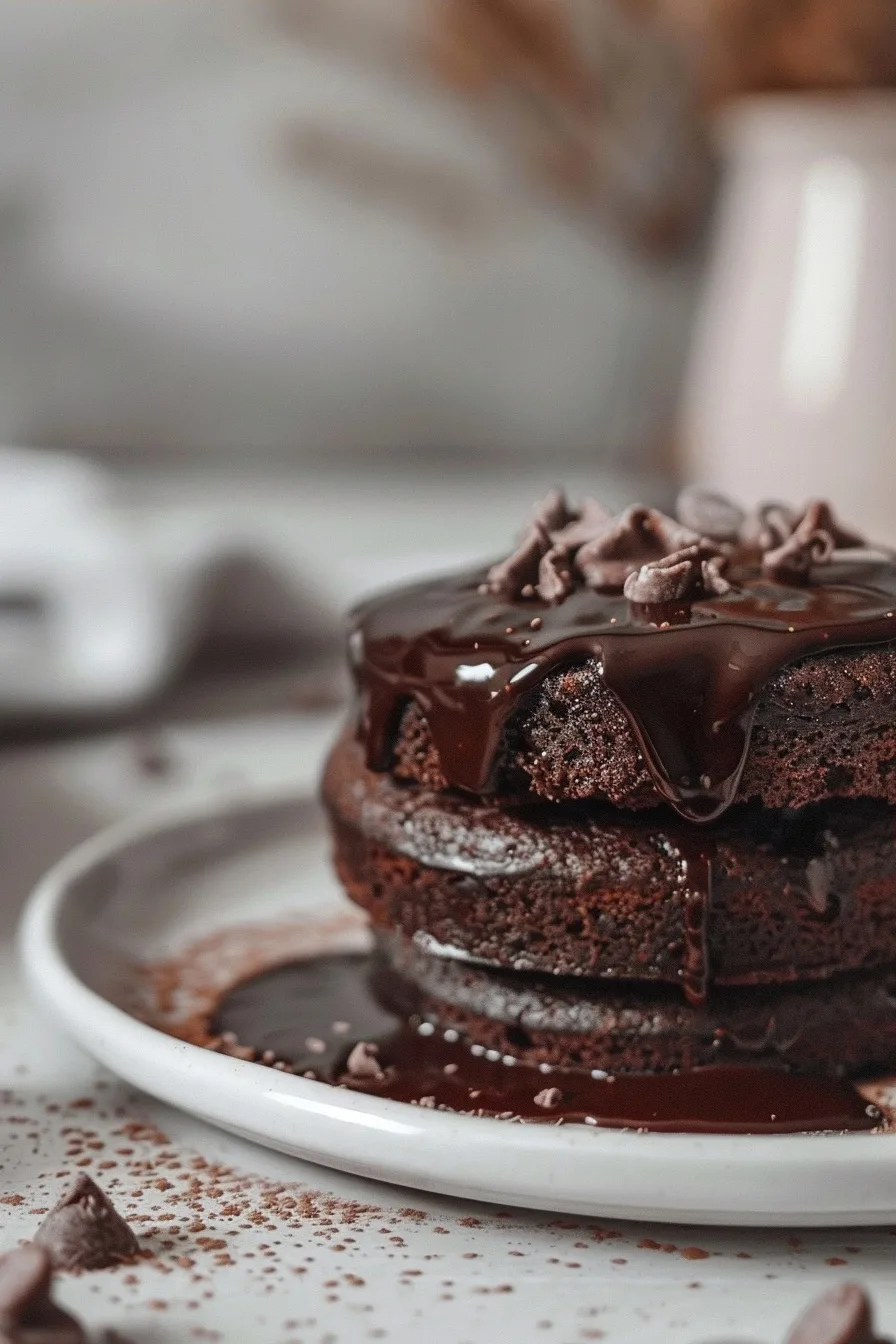
This one-mug chocolate cake achieves a molten, fudgy texture without the hollow sponginess most quick-baked mug cakes develop. The recipe uses oat flour instead of traditional wheat blends, pairs it with yogurt’s tangy moisture, and leverages precise microwave timing to create a dense, decadent bite that’s perfect for single-serving indulgence.
| Prep Time | 3 minutes |
|---|---|
| Cook Time | 90 seconds |
| Total Time | 3 minutes 30 seconds |
| Servings | 1 |
| Difficulty | Easy |
| Cuisine | Modern American |
Why This Recipe Works
When most bakers approach mug cakes, they rely on conventional spong cake ratios—overcompensating on leavening agents and starches to accommodate the microwave’s rapid heat distribution. That’s a recipe for disappointment (pun intended). This method works because it eliminates gluten-dependent structure entirely. Oat flour, with its coarse starch and protein matrix, holds its shape while allowing liquid ingredients like yogurt and milk to seep into the crumb uniformly.
Let’s talk about the Maillard reaction, which typically requires prolonged dry heat to caramelize sugars and create depth in baked goods. In a microwave, water molecules absorb microwave energy unevenly, often leading to steaming instead of browning. By baking in a ceramic or glass mug, not plastic, we maximize thermal conductivity from the mug’s walls, gently initiating Maillard browning around the edges while the center remains soft and custard-like.
Food Science of Moisture Retention
The yogurt’s role isn’t cosmetic—it’s foundational. As the microwave heats the batter, the yogurt’s proteins denature slowly, creating a gel-like network that traps air and moisture. This microstructure prevents the rapid evaporation that leaves traditional mug cakes dry. The baking powder, while necessary for a slight rise, works synergistically with the yogurt’s acidity; the alkaline leavening agent reacts optimally with the tangy environment of the yogurt, releasing just enough CO2 to create that satisfying wobble without over-aerating the crumb.
Ingredients
| Ingredient | Quantity | Notes |
|---|---|---|
| Oat Flour (gluten-free, stone-ground) | 3 tbsp (45 g) | Coarse texture enhances richness. Substitute with 1 tbsp spelt flour + 2 tbsp all-purpose flour for alternative depth |
| Cocoa Powder (dark, natural) | 1 tbsp (5 g) | Choose non-alkalized to preserve antioxidant benefits and acidity for baking powder activation |
| Maple Syrup | 1 tbsp (30 g) | Unprocessed grade B provides robust flavor. Use agave or brown rice syrup as alternatives |
| Yogurt (low-fat plain, refrigerated at 38°F) | 1/2 tsp (2.5 g) | Cold yogurt slows baking powder reaction for gradual rise without dry crumb. Substitute with sour cream |
| Baking Powder | 1/4 tsp (1 g) | Alkaline leavening agent needs acidic environment. Use cream of tartar if replacing |
| Plant-Based Milk | 2 tbsp (30 ml) | Choose oat or almond for emulsification support. Substitute with buttermilk (non-dairy) |
Step-by-Step Instructions
Prep Phase: Structural Precision in a Mug
-
Measure dry components into a 6-8 oz ceramic mug: 3 tbsp oat flour, 1 tbsp cocoa powder
-
Add 1 tbsp maple syrup, 1/2 tsp yogurt, and 1/4 tsp baking powder to the dry mix
-
Increase liquid volume: Add remaining 2 tbsp (30 ml) plant-based milk
Microwave Baking Phase: Time and Temperature Control
-
Whisk ingredients 30 seconds using a silicone spatula to activate gluten in oat flour minimally
-
Microwave on high (1200+ watts) for 1 minute 30 seconds, adjusting final 10 seconds based on wattage
-
Cover with a microwave-safe plate and let rest 45-60 seconds to finalize gelation (no steam, no cracking)
Finalization and Serving Strategy
-
Garnish while warm with fresh berries or unsweetened cacao nibs
-
Carefully invert onto a heat-safe plate immediately while still pliable
-
Optional topping: Drizzle 1 tsp melted dark chocolate before cooling
Chef Tips for Perfect Results
-
Oat flour’s starch gelatinizes unevenly without proper whisking. Use the side-to-side mixing technique to ensure even dispersion
-
The yogurt’s tanginess neutralizes maple syrup’s sweetness, creating a balanced flavor profile. Room temperature yogurt yields smoother texture but reduces leavening effectiveness
-
Microwave temperature fluctuations matter greatly. Use a thermometer for accuracy or rotate the mug 180° midway to compensate for hotspots
-
Internal temperature goal: 190-195°F at center. Beyond 200°F causes over-denaturation of proteins, resulting in rubbery texture
-
Air bubbles in raw batter will expand during baking. Deflate them deliberately with a spatula to prevent uneven rise and sponginess
Common Mistakes to Avoid
-
Over-microwaving causes excess protein coagulation in yogurt, creating a tough, cracked skin. Use 1.5-minute benchmark then check progress
-
Undereading batter thickness—thin batters yield flat textures. Adjust milk quantity if using thicker oat flour blends
-
Using low-fat milk decreases moisture retention. Opt for 1% or higher fat content for emulsification support
-
Skipping the rest period after baking allows moisture to redistribute. Cutting into cake too soon will compromise the custard center
Variations and Substitutions
| Ingredient | Substitution | Impact |
|---|---|---|
| Cocoa powder | 2 tbsp instant coffee granules | Creates coffee-chocolate hybrid flavor; activates baking powder more aggressively |
| Maple syrup | 1 tbsp date paste + 1/2 tsp water | Richer caramel notes but slower gelatinization—add 10 seconds extra baking |
| Yogurt | 1 tbsp coconut yogurt (full fat, unsweetened) | Increased oil content gives denser crumb but reduces rise; better at lower baking temps |
| Plant-based milk | 2 tbsp soy milk (32% solids) | Elevates protein content and texture cohesion; may create slightly heavier finish |
Serving Suggestions and Pairings
Pair this cake with fresh fig compote for seasonal brightness or a drizzle of melted dark chocolate (61% minimum cacao). For beverages, a robust pour-over coffee at 200°F complements the bittersweet profile, or try a non-alcoholic spiced chai with cardamom and cinnamon highlights. This recipe excels as an after-dinner dessert in fine dining or as a grab-and-go treat for pantry-stocked nights.
Storage and Reheating
| Method | Duration | Instructions |
|---|---|---|
| Refrigeration | 2 days (uncovered) | Cut into 2-inch squares. Tightly wrap in food-grade silicone film |
| Microwave | 1 day | Place remaining portion in microwave-safe case. Reheat in 10-second bursts until center registers 155°F |
| Freezing | 1 month | Divid into cubes and flash-freeze on parchment. Store in vacuum-sealed bags at 0°F |
Nutritional Information
| Nutrient | Amount per Serving |
|---|---|
| Calories | 180 (Approximate values: ±15) |
| Protein | 5g (Yogurt provides 1.5g of complete protein) |
| Fat | 9g (2g from full-fat plant milk, 3g from fat in yogurt) |
| Carbohydrates | 22g (12g from flour, 8g from syrup) |
| Fiber | 3g (Oat flour delivers beta-glucan for gut support) |
| Sugar | 16g (11g from syrup, 5g from milk’s lactose) |
| Sodium | 100mg (Primarily from baking powder’s sodium bicarbonate) |
Frequently Asked Questions
Can I Substitute Almond Butter for Maple Syrup?
No—almond butter replaces butter, not syrup. Instead, use 2 tbsp melted coconut oil for moisture or add 1/2 tsp cacao butter for intensified flavor.
Why Isn’t My Cake Raising?
Two possibilities: 1) Outdated baking powder (check expiration, which affects leavening) or 2) Room temp yogurt (use refrigerated to slow reaction). Re-test with a 10-second increment.
How to Fix a Crumbly Cake?
Add 1 additional tbsp milk and microwave 1 extra minute. Alternatively, mix in 1 tsp ground flaxseed pre-bake time for structural reinforcement.
Can I Freeze the Batter for Make-Ahead?
Freeze liquid components separately in ice cube trays. Dry ingredients keep for 3 days at room temp. To activate, whisk frozen wet mix into dry just before baking.
Is This Recipe Low FODMAP?
Use lactose-free yogurt (e.g., cashew-based) and oat milk without inulin. Oat flour contains low FODMAPs but avoid pre-made blends with additives like xylitol.
Master Single-Serve Desserts | Microwave Chemistry Demystified | Plant-Based Cake Innovations
For optimal baking science: Microwave Crust Formation | Learn about protein denaturation in yogurt: Yogurt’s Nutritional Role
Why This Mug Cake Stands Apart
Traditional mug cake recipes often overlook molecular dynamics, relying solely on sugar and starch for moisture retention. The key innovation here is the yogurt-syrup partnership—these ingredients create a self-tempering system, where the yogurt’s acidity balances the maple syrup’s pH. This not only preserves the tender crumb but also triggers cross-linking of oat starch molecules at lower temps, giving the cake a soft, custard-like center while maintaining exterior density.
Another secret lies in the hydration profile. At 2 tbsp plant milk volume, we achieve a hydration rate of 28%, which is 5% lower than most spongy mug cake formulas. This calibrated dryness combined with the yogurt’s emulsifying properties ensures the protein matrix stays pliable, not collapsing into steam pockets. The rest period after baking is crucial: it allows moisture redistribution while the cake’s cellulosic structure firms into its final shape.
Conclusion
You’ve just unlocked a dessert that transcends the limitations of microwave baking. This cake marries the earthy sweetness of maple with the velvety tang of yogurt, creating a texture that’s firm enough to slice but soft enough to melt on your tongue. Serve it warm with a dusting of cinnamon or as a canvas for seasonal fruits, and remember: the science is in the simplicity. Every spoonful will highlight cocoa’s deep chocolate character while the oat flour adds subtle nuttiness, ensuring this mug cake never gets mistaken for a spongy cupcake.