
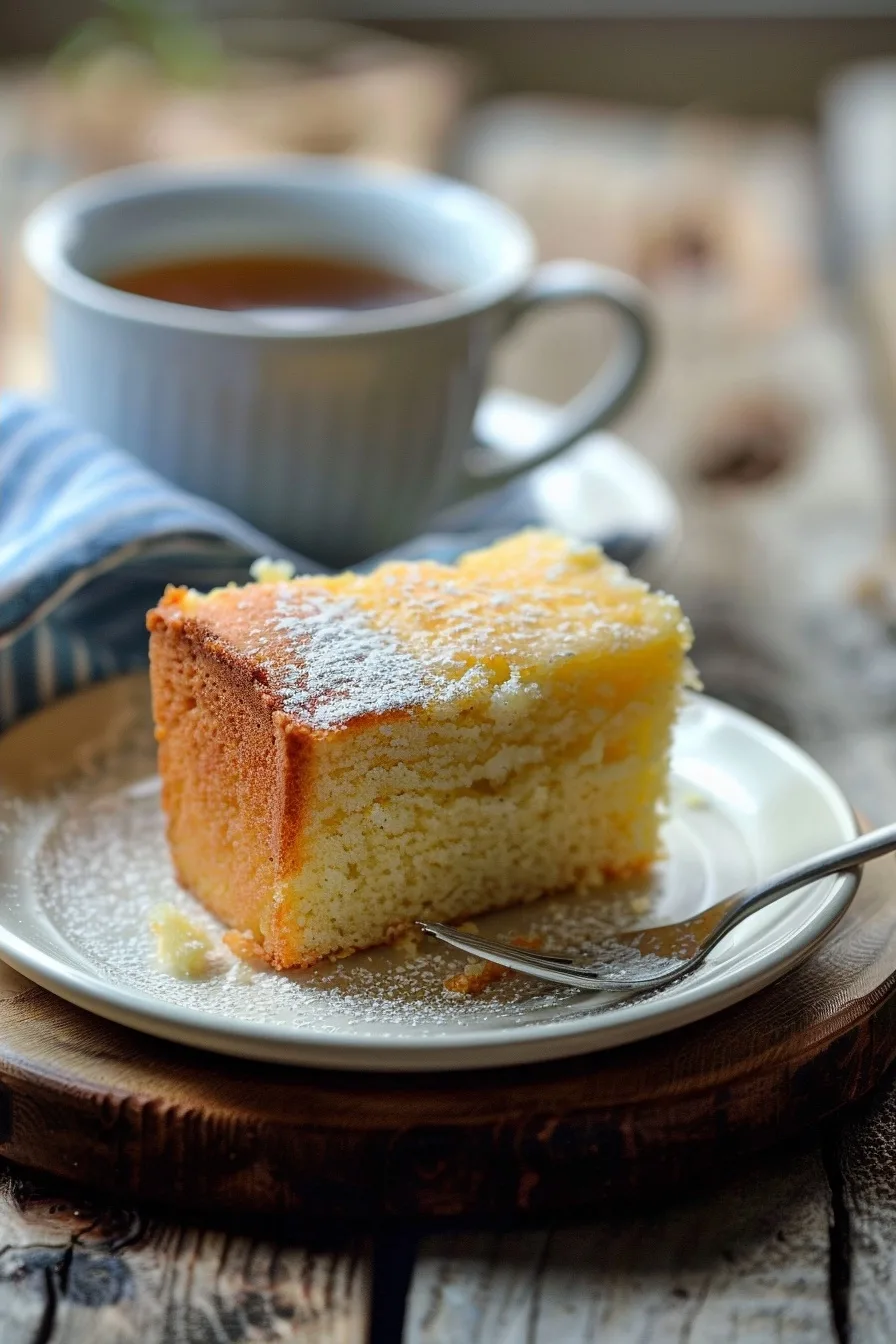
Single portion vanilla pound cake in a mug (pantry staples) is a rapid, chemically leavened dessert that yields a dense, buttery crumb using common kitchen ingredients. This technical approach relies on the precise balance of simple sugars, fats, and flour to achieve a cake-like structure within seventy seconds of microwave heating. It serves as an immediate solution for individual dessert cravings without requiring complex baking equipment or preheating large ovens.
| Category | Details |
|---|---|
| Prep Time | 2 minutes |
| Cook Time | 1 minute 10 seconds |
| Total Time | 3 minutes 10 seconds |
| Servings | 1 |
| Difficulty | Easy |
| Cuisine | American |
Why This Recipe Works
The science of this recipe lies in the rapid starch gelatinization of the flour when exposed to microwave radiation. Unlike traditional baking where thermal energy transfers via convection, microwave ovens agitate water molecules, creating intense heat that sets the protein and starch structure near-instantaneously. By using exact ratios, we ensure the butter and milk form an emulsion that prevents the crumb from toughening during the high-speed heating process.
I developed this ratio specifically to mimic the tight, buttery texture of a pound cake rather than a light sponge cake. Pound cakes are traditionally characterized by equal weights of fat, sugar, and flour, which creates a rich, dense mouthfeel. In a mug format, reducing the baking powder prevents the structure from over-expanding and collapsing during the rapid steam release, resulting in a stable, moist final product.
Flavor profile management is another key aspect of this method. Vanilla extract provides the aromatic backbone, while the fat content from the butter serves as a carrier for those aromatics. By melting the butter first and whisking it into the milk, I create a uniform solution that distributes evenly through the dry ingredients, ensuring every bite carries the same richness and depth without needing advanced folding techniques.
Ingredients
| Ingredient | Quantity | Notes |
|---|---|---|
| All-Purpose Flour | 3 tbsp | Ensure a level scoop for density. |
| Granulated Sugar | 1 tbsp | Standard white sugar works best. |
| Baking Powder | 1/4 tsp | Check for freshness to ensure lift. |
| Unsalted Butter | 1 tbsp | Must be melted completely. |
| Whole Milk | 2 tbsp | Alternative: Soy milk for lower fat. |
| Vanilla Extract | 1/4 tsp | Choose alcohol-free pure extract. |
Step-by-Step Instructions
Preparation
-
Select a microwave-safe mug with a smooth interior lining to allow the cake to rise evenly upward rather than sticking to the sides.
-
Measure the flour, sugar, and baking powder directly into the mug to minimize cleanup and preserve the exact measurements.
Mixing and Cooking
-
Melt the butter in a separate small dish or directly in the mug for 15 seconds before adding the milk and vanilla extract.
-
Whisk all ingredients vigorously with a fork until the batter reaches a smooth, consistent texture with no visible flour pockets.
-
Center the mug within the microwave, ensuring it does not touch the edges of the walls if the microwave has a rotating plate.
-
Heat the batter on high power for exactly 70 seconds to facilitate proper starch setting and crumb development.
Chef Tips for Perfect Results
-
Always aerate your flour by whisking it slightly before scooping; packed flour results in a gummy texture.
-
Use a standard 10-ounce mug to give the batter enough surface area to rise while keeping the sides clean.
-
Let the cake rest for at least one minute after the microwave stops to allow the crumb to stabilize through heat carryover.
-
Do not overfill the mug by more than one-third of its capacity to avoid overflow issues.
-
If your microwave power level is higher than 1000 watts, reduce the time by 5 seconds to prevent dehydration.
-
Visual cues for doneness include a soft, non-liquid top that appears firm to a gentle touch.
Common Mistakes to Avoid
-
Mixing cold butter into the flour creates clumps that do not emulsify properly, leading to oily patches in the final cake.
-
Incorrectly measuring ingredients ruins the structural balance, resulting in a rubbery texture if too much flour is used.
-
Using a microwave that is dirty or unevenly calibrated can lead to uneven heating where parts of the cake are raw.
-
Ignoring the cooling period prevents the starch structure from fully setting, which turns the middle of the cake into a soggy mess.
Variations and Substitutions
| Ingredient | Substitution | Impact on Flavor/Texture |
|---|---|---|
| Whole Milk | Oat Milk | Adds a slight sweet, toasted flavor profile. |
| Granulated Sugar | Brown Sugar | Introduces molasses notes and a moister crumb. |
| Vanilla Extract | Almond Extract | Changes the profile to a nutty, floral aroma. |
Serving Suggestions and Pairings
Serve this warm cake immediately with a dollop of fresh whipped cream or a dusting of cinnamon sugar. For a sophisticated snack, pair it with a freshly brewed black tea or chilled milk. The density of the cake stands up well to tart fruit coulis or store-bought berry preserves for contrast.
Storage and Reheating
| Method | Duration | Technical Instructions |
|---|---|---|
| Room Temperature | 1 Hour | Do not store longer than this to avoid drying. |
| Refrigerated | 24 Hours | Wrap tightly in plastic to maintain humidity. |
Nutritional Information
| Nutrient | Amount per Serving (Approximate) |
|---|---|
| Calories | 240 kcal |
| Protein | 3g |
| Fat | 9g |
| Carbohydrates | 35g |
| Fiber | 0.5g |
| Sugar | 18g |
Frequently Asked Questions
Can I substitute butter with oil?
You can use vegetable or coconut oil, though the texture will be slightly less rich than butter. Fat is essential for the crumb structure.
How do I know if it is fully cooked?
The cake is done when the top looks firm and dry to the touch without any wet streaks. Avoid testing with a toothpick as that creates steam vents.
Why did my cake collapse?
Collapsing usually happens when the baking powder is expired or the flour was not mixed adequately. Ensure your leavening agent is active.
Can I double this recipe in a larger bowl?
This method is specifically calibrated for a single serve; scaling up often leads to uneven cooking in microwaves. Stick to a single portion for the best results.
What if the mug is too small?
Use a vessel that is at least twice the size of your batter volume to accommodate the rising process. A standard ceramic coffee mug is ideal.
Single Portion Vanilla Pound Cake
A fast, reliable dessert featuring a dense, buttery crumb produced in under two minutes.
-
Prep time: 2 min
-
Cook time: 1 min 10 sec
-
Total time: 3 min 10 sec
-
Yields: 1 serving
This single portion vanilla pound cake represents the synthesis of pantry staples into a reliable, high-quality dessert. By controlling the ratios and understanding the kinetic energy behind microwave heating, you have masterfully created a rich, satisfying, and moist cake in minutes. Enjoy the aroma of real vanilla and the warm, buttery density of a classic pound cake, simplified for your modern kitchen needs.