
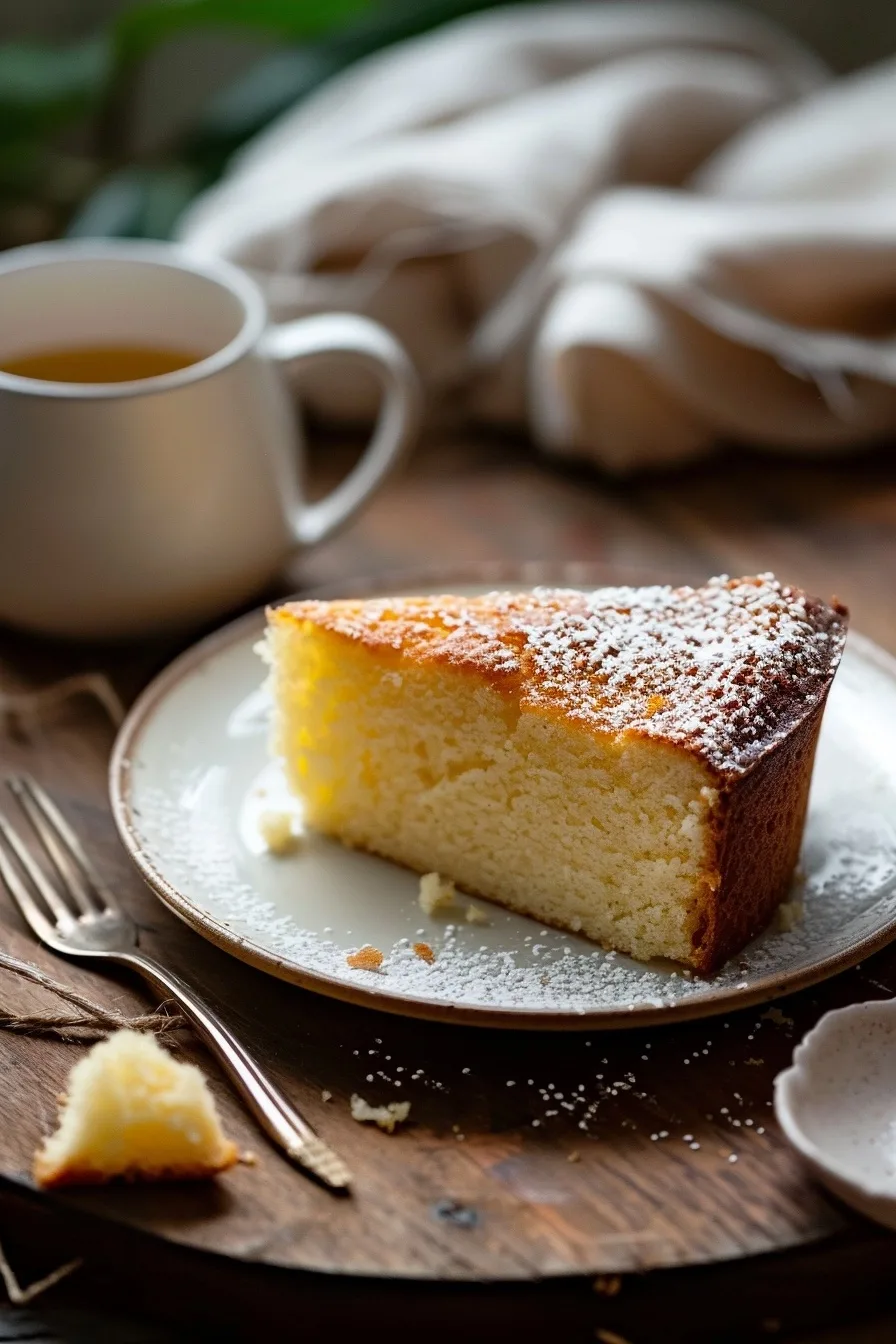
Single Serve Moist Vanilla Sponge Mug Cake (3 Minute Fix) is a professional-grade dessert solution designed for immediate satisfaction. This recipe utilizes precise ingredient ratios to achieve an airy, sponge-like crumb inside a standard ceramic mug using microwave heat transfer. By focusing on the structural balance of starch, lipids, and leavening, home cooks can produce a bakery-quality treat in under three minutes without warming the oven.
Recipe Overview
| Metric | Details |
|---|---|
| Prep Time | 1 Minute |
| Cook Time | 75 Seconds |
| Total Time | 3 Minutes |
| Servings | 1 Serving |
| Difficulty | Beginner |
| Cuisine | Modern American |
Why This Recipe Works
This recipe relies on the rapid gelatinization of wheat starch. When we mix flour with milk and oil, we create a suspension that transforms into a sponge as the microwave energy agitates water molecules. The moisture provided by the milk, combined with the structural integrity of the oil, prevents the wheat proteins from becoming tough or chewy during the fast heating cycle.
I chose baking powder as our chemical leavening agent because it provides a consistent, reliable rise without the need for acidic external starters. Because this is a high-heat, low-moisture environment, the timing is critical. A 75-second window balances the coagulation of the batter with the evaporation rate to ensure that the interior remains tender rather than rubbery.
Food science dictates that fat, in this case, neutral oil, hydrates the gluten strands, which makes the crumb feel rich on the palate. By omitting dairy-heavy alternatives or complex fats, we allow the pure vanilla profile to shine. This methodology relies on the thermodynamic properties of microwave heating to cook the center while simultaneously setting the exterior structure.
Ingredients
| Ingredient | Quantity | Notes |
|---|---|---|
| All-Purpose Flour | 4 tbsp (32g) | Standard bleached flour works best for texture. |
| Granulated Sugar | 2 tbsp (25g) | Caster sugar yields the smoothest crumb. |
| Baking Powder | 1/4 tsp (1g) | Check expiration to ensure maximum lifting power. |
| Whole Milk | 3 tbsp (45ml) | Full fat is preferred for a richer mouthfeel. |
| Neutral Vegetable Oil | 1 tbsp (15ml) | Canola or grape seed oil are excellent choices. |
| Vanilla Extract | 1/2 tsp (2.5ml) | Ensure it is high-quality pure extract. |
Step-by-Step Instructions
-
Preparation: Gather a standard 12-ounce ceramic mug and check that it is microwave-safe.
-
Dry Ingredient Mixing: Add the flour, sugar, and baking powder into the mug and whisk thoroughly with a small fork to ensure even distribution.
-
Wet Ingredient Integration: Pour the milk, oil, and vanilla extract over the dry mixture.
-
Batter Emulsification: Stir the contents vigorously until the batter is completely smooth with no visible flour pockets.
-
Microwave Execution: Place the mug in the center of the microwave and cook on full power for exactly 75 seconds.
-
Resting: Allow the mug to stand for one minute before serving to let the internal steam stabilize the structure.
Chef Tips for Perfect Results
-
Use a wide-mouthed mug to allow uniform heat distribution across the surface.
-
Scrape the bottom edges of the mug with your fork to ensure no dry flour remains trapped.
-
Do not overcook, as this leads to a dry, tough sponge.
-
Place the mug on the outer edge of the microwave turntable for better rotation and heat penetration.
-
Adjust power levels to 80% if your microwave exceeds 1200 watts to prevent rapid moisture loss.
Common Mistakes to Avoid
Overmixing the batter is a common error that leads to excessive gluten development. When gluten is over-developed in a fast-cook environment, the cake loses its tender crumb and becomes rubbery. Always stop stirring the moment the flour is fully incorporated.
Ignoring the resting period compromises the final texture. Microwaves cook by exciting water molecules, which creates steam in the cake structure; resting allows these bubbles to settle and firms the crumb. Without this wait, the cake may collapse or feel gummy upon the first bite.
Variations and Substitutions
| Ingredient | Substitution | Impact on Texture |
|---|---|---|
| Whole Milk | Oat Milk | Lighter, nuttier flavor profile. |
| Neutral Oil | Melted Butter | Enhanced richness but faster solidification. |
| Granulated Sugar | Coconut Sugar | Adds a deeper, caramel-like note. |
Serving Suggestions and Pairings
Serve this mug cake immediately while slightly warm to appreciate the contrast between the moist interior and the outer surface. Pair with a dollop of fresh, house-made whipped cream or a dusting of cinnamon for aromatic complexity. If looking for a beverage pairing, a chilled glass of almond milk or a hot brewed decaf coffee enhances the vanilla notes without competing with the sweetness.
Storage and Reheating
| Method | Storage Rules |
|---|---|
| Room Temp | Best consumed immediately; not suitable for storage. |
| Refrigeration | Wrap tightly in plastic; heat for 10-15 seconds before eating. |
Nutritional Information
| Nutrient | Amount per Serving (Approximate) |
|---|---|
| Calories | 285 kcal |
| Proteins | 4g |
| Fats | 15g |
| Carbohydrates | 35g |
Frequently Asked Questions
Can I make this cake without baking powder?
Baking powder is essential for the structure of this mug cake. Replacing it requires a different chemical leavening agent that may alter the neutral taste profile significantly.
Why did my cake sink in the middle?
A sinking cake usually indicates that the leavening agent was expired or the mug was overloaded. Ensure your baking powder is fresh and do not exceed the filling capacity of the mug.
Can I add chocolate chips to this recipe?
Adding chocolate chips is possible, though it adds density that may require an extra 5 seconds of heating. Fold them into the batter just after ensuring the flour is fully mixed.
Is oat flour a good substitute for all-purpose flour?
Oat flour results in a softer, more delicate structure which may not hold together as well during the rapid expansion of microwave cooking. We recommend using wheat flour for the best structural integrity.
How do I know when the cake is fully cooked?
The cake is done when the top appears matte and springs back slightly when touched. If it looks wet or shiny, add 10 seconds of cooking time in small increments.
By mastering the physics of this 3-minute fix, you gain a reliable, quick dessert that never fails to satisfy. The marriage of simple pantry staples and exact timing creates an airy, vanilla-infused sponge that proves convenience does not require compromising on flavor. Enjoy the process of creating your perfect personalized portion.