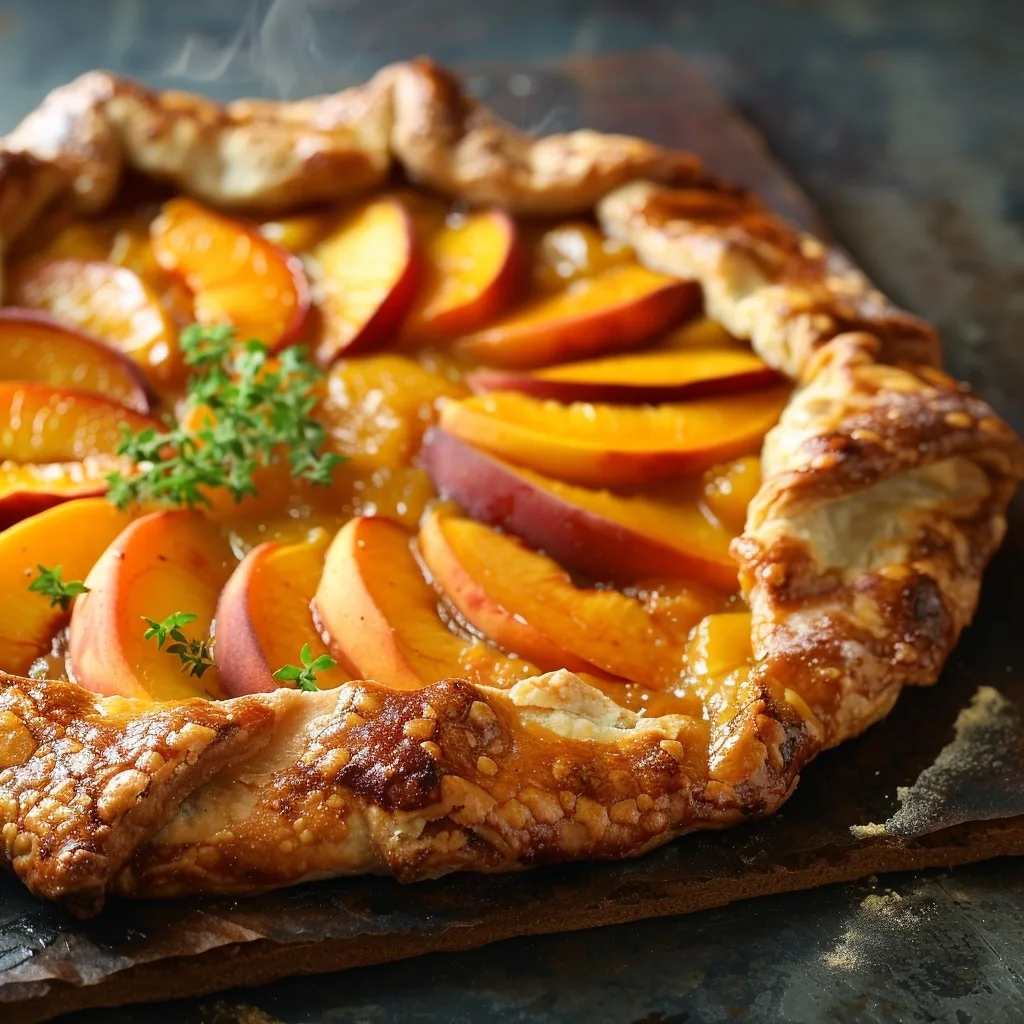

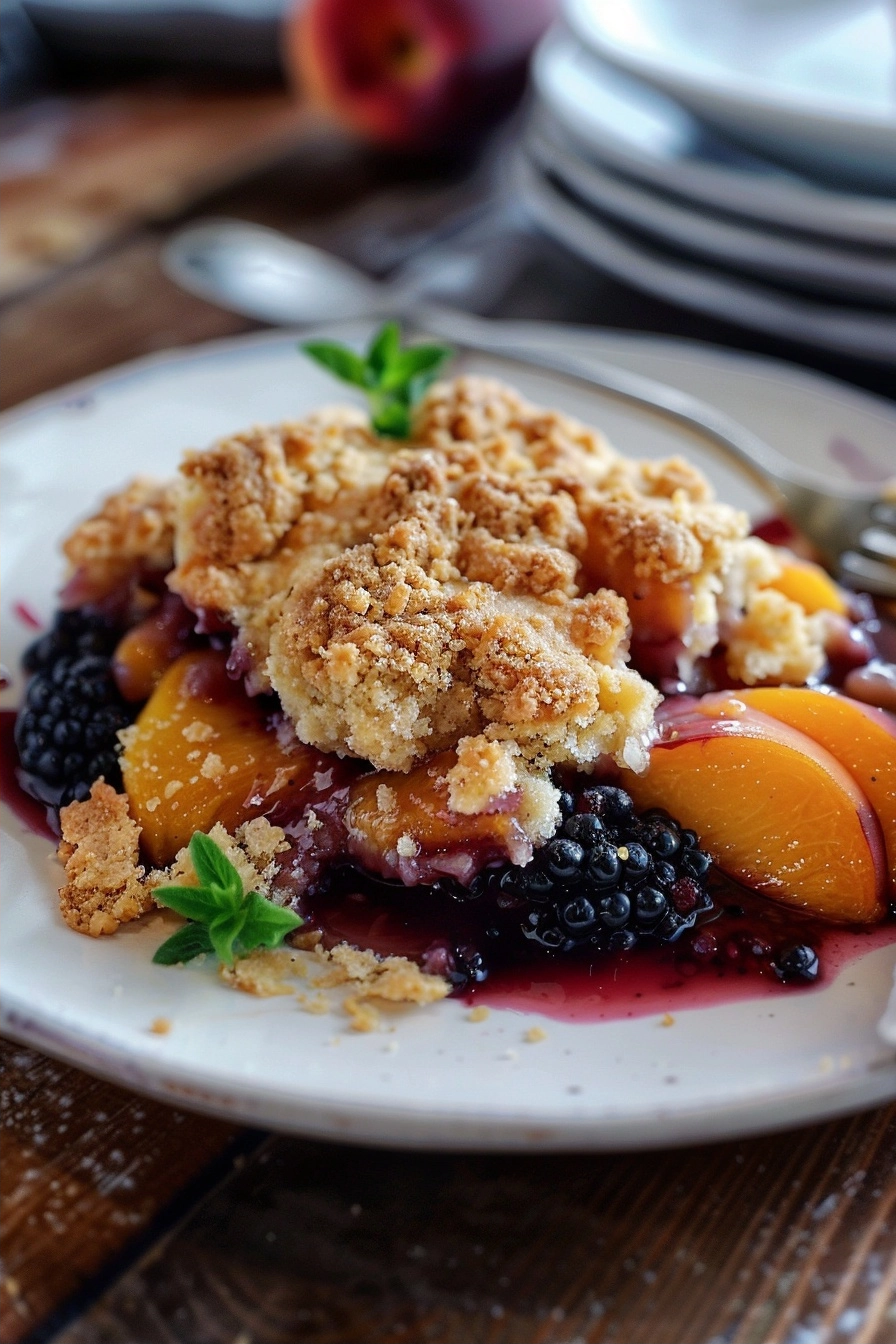
A single-portion peach blackberry cobbler is a small-batch dessert with a perfect balance of sweet and tart, baked in under 20 minutes. This cobbler brings out the natural fruit sweetness with a touch of maple syrup, a tender oat flour topping, and zero artificial ingredients.
| Prep Time | Cook Time | Total Time | Servings | Difficulty | Cuisine |
|---|---|---|---|---|---|
| 5 minutes | 20 minutes | 25 minutes | 1 | Easy | American |
Why This Recipe Works
Cobbler is a beloved dessert in American homes, where seasonal fruit and a buttery flour topping combine for a comfort food staple. I’ve developed this single-portion version to streamline the entire process without sacrificing quality. The small batch size ensures a fast and clean work zone without compromising flavor or texture.
By using oat flour as the base in the cobbler topping, I introduce a naturally gluten-free and nut-free alternative that still delivers the creamy mouthfeel of traditional wheat flour. The oat flour’s starch helps the batter gelatinize during baking and sets as the water content in the batter converts into steam, ensuring a cohesive, tender crumb. The baking powder acts as the leaven, lifting the topping slightly and creating a delicate airiness while still binding the batter to the fruit.
The combination of peaches and blackberries is more than an aesthetic choice—it’s a strategic match for both acid balance and texture contrast. Peaches release a high water content and natural sugars when warmed, while blackberries retain a firmness that adds depth and keeps the cobbler from slipping into syrup territory. This small-batch approach also lets the flavors bloom directly on the fruit rather than muddying them into a larger pan, which can often happen in classic cobbler formats where flavors dilute. The result is a cobbler that is focused in flavor, rich in texture, and easy to perfect at home with just a few core ingredients and a small oven-safe dish.
Ingredients
| Ingredient | Quantity | Notes and Alternatives |
|---|---|---|
| Diced Peaches | 1/4 cup, fresh or frozen | Frozen fruit works well as long as it’s thawed and patted dry. Choose low-acid peaches for a smoother pairing with blackberries. |
| Blackberries | 1/4 cup, fresh or frozen | Frozen blackberries also work, but keep in mind they release more liquid—so they’re best used when paired with firm fruit like peaches. |
| Maple Syrup | 1 tbsp | Opt for amber-grade organic maple syrup for the best flavor; it adds a caramel richness. Substitute with a 50/50 mix of honey and water if preferred. |
| Oat Flour | 3 tbsp | Homemade is best: 3 tbsp rolled oats pulse in a food processor to achieve a fine texture. Gluten-free certified options are readily available for dietary restrictions. |
| Almond Milk | 1 tbsp | Use unsweetened for the best control over sugars. Substitute with oat milk or a milk-citrus mixture (1/2 tsp water + 1/2 tsp lemon juice) for a non-nut alternative. |
| Baking Powder | 1/2 tsp | Use all-purpose double-acting baking powder for the best rise and crumb. Make sure it’s active (not expired) to avoid a dense result. |
Step-by-Step Instructions
Prep
-
Clean and dice the peaches into uniform ¼-inch pieces. Pat with a paper towel to remove excess moisture.
-
Rinse the blackberries under cold water and drain. Spread them out on a paper towel to soak up any extra juice and prevent a runny base.
-
In a small bowl, mix the diced peaches and blackberries with the maple syrup. This is best done with a small silicone spatula or even your hands for even coverage.
-
In a second small bowl, whisk together the oat flour, almond milk, and baking powder to form a smooth batter. Don’t over-mix to avoid a dense texture.
Assembly and Baking
-
Lightly grease a single-serving oven-safe dish (ramekin, small ceramic baking dish, or a mini mason jar) with non-stick cooking spray.
-
Pour the fruit mixture into the dish, spreading it into an even layer to ensure even heat distribution during baking.
-
Carefully spoon the oat batter over the fruit mixture, covering as much of the surface as possible. Don’t worry about the edges—this will settle during baking.
-
Place the dish on a baking sheet for stability and place it in the preheated 350°F (175°C) oven. Bake for 20 minutes, until the top is golden brown and firms up slightly when lightly pressed.
Finishing and Serving
-
Remove the cobbler from the oven and let it sit for at least 10 minutes to firm and allow the fruit to set slightly.
-
Use a small silicone spatula to loosen the sides gently for easier serving. Slide it onto a plate or directly from the dish for a rustic presentation.
-
Serve warm, ideally in a 120–140°F window for optimal texture and enjoyment. Optionally add a dollop of plain yogurt, a drizzle of honey, or a spoonful of whipped cream.
Chef Tips for Perfect Results
-
Blot Fruit Excess: Before tossing with syrup, blot the fruit with a paper towel or let it sit on a clean towel for 10 minutes. This prevents a soggy base and improves texture cohesion.
-
Pre-Warm the Dish: Set the dish in the oven 3–5 minutes before pouring in the batter. A warm surface ensures faster heat penetration, avoiding a sunken center and uneven baking.
-
Use a Skillet for Larger Portion: If scaling up, choose an 8-inch cast iron skillet. These retain and distribute heat evenly, ensuring a thick, evenly baked topping and deep fruit flavor.
-
Don’t Skimp on the Spatula: A high-quality silicone spatula is vital for smooth fruit mixing and even batter distribution. Plastic or metal can create lumps or scrape the fruit unevenly.
-
Test for Doneness with Firmness: Carefully press the center of the cobbler with your fingertip. If it bounces back slowly, it’s done. If it depresses without recovering, return it to the oven in 2-minute intervals until firm.
Common Mistakes to Avoid
-
Skipping Fruit Prep: Not bloting wet or frozen fruit introduces excess moisture that can prevent the cobbler from setting properly and leads to a soggy base. Always blot fruit before mixing.
-
Over-Baking the Topping: Baking more than 20 minutes can cause the oat flour to over-dehydrate and create a hard, cake-like topping rather than a soft, custard-like texture. Monitor closely toward the last 5 minutes of baking.
-
Incorrect Baking Pan Size: Using a dish that’s too large reduces the depth of the batter and can lead to uneven baking. For best results, use a single-serving dish or scale up using a proper pan size.
-
Ignoring Room Temperature Ingredients: Cold ingredients may cause a temperature imbalance in the batter that affects how the oat flour interacts with the baking powder, impacting rise and texture. Always use room temperature ingredients for the best crumb.
Variations and Substitutions
| Ingredient | Substitution | Impact on Flavor/Texture |
|---|---|---|
| Blackberries | Strawberries | Provides a sweeter, milder fruit base—ideal for those who prefer less tart cobbler. |
| Peaches | Pear Slices | Pears add a denser, more fibrous texture but maintain a smooth flavor profile. Best paired with sweeter fruits. |
| Oat Flour | Almond Flour | Almond flour adds a nutty richness but dries out sooner. Add ½ tsp water to compensate for the absorbency. |
| Maple Syrup | Agave Nectar | Agave provides a smoother, mild sweetness. Reduce by 10% to account for its lower viscosity and higher sweetness level. |
| Baking Powder | Baking Soda + Tartaric Acid | Rarely necessary, but a ½ tsp baking soda and ½ tsp powdered tartaric acid (or acidulated flour) can be a leavening alternative. Be precise—too much acid will change the flavor profile. |
Serving Suggestions and Pairings
-
Breakfast Boost: Pair the cobbler with a bowl of overnight oats or a slice of whole-grain English muffin for a balanced morning sweet-and-savory treat.
-
Afternoon Treat: Serve with a tall iced tea—perhaps a spiced black tea like chai or a simple iced green tea with honey. The tea’s earthiness complements the fruit’s sweetness perfectly.
-
Evening Delight: Match the cobbler with a small scoop of vegan vanilla or plain Greek yogurt. The tartness of the dairy helps cut through the richness of the topping.
-
Indulgent Option: Top with a dollop of whipped coconut cream and a few fresh mint leaves for an elegant, dairy-free finish.
-
Gift Idea: Present the cobbler in a mini mason jar with a handwritten label and twine. Perfect for a housewarming, host gift, or a quick grab-and-go picnic.
Storage and Reheating
| Method | Duration | Instructions |
|---|---|---|
| Air-Tight Container (Room Temperature) | 1–2 days | Store in a cool, dry place such as the countertop. The batter may firm up; it’s best to reheat before serving. |
| Refrigerator | 3–5 days | Wrap or place in a sealed container. When ready to reheat, warm in a 300°F oven for 10 minutes for a soft, warm cobbler. It will remain moist and retain the structure of the topping. |
| Freezing | 1–2 months | Allow the cobbler to cool completely. Wrap tightly in plastic wrap and place in a plastic container. To reheat, thaw in the refrigerator overnight, then warm in a 300°F oven for 10–15 minutes until bubbly and golden on top. |
| Microwave Reheating | Immediate | Place cobbler in a microwave-safe dish and microwave for 20–30 seconds. This works best if the cobbler has been previously refrigerated. Avoid reheating from frozen directly in the microwave. |
Nutritional Information
| Nutrient | Amount per Serving |
|---|---|
| Calories | 150 |
| Protein | 3g |
| Fat | 6g |
| Carbohydrates | 20g |
| Fiber | 2g |
| Sugar | 9g |
| Sodium | 100mg |
Frequently Asked Questions
Can I use frozen peaches and blackberries?
Yes—you can. Just keep in mind that frozen fruits release more liquid, so it’s best to let them thaw completely and blot them dry with a paper towel before using. For the best results, try not to overdo it with frozen fruit as they can make the cobbler too runny if not balanced with drier fruit like blueberries or pears.
How do I tell if this is done correctly?
Press gently in the center with a finger. The cobbler is done when the topping is just firm to the touch and the fruit layer is hot and bubbling under the batter. It should not feel wet or sunken. A visual cue is the golden edge on the topping, which typically means it’s close to being ready.
Why does my cobbler sometimes end up with a raw batter center?
Most likely, the batter was poured over the fruit before the oven reached the proper temperature or the dish wasn’t pre-warmed first. A cool dish can lower the oven’s effective baking temperature, resulting in a denser, uncooked center. Always ensure your oven is fully preheated and that the dish is warmed before layering the fruit and batter.
Can I freeze this single-portion cobbler ahead?
Absolutely. Wrap the cooled cobbler tightly in plastic wrap and then in a thin layer of aluminum foil or place it in a rigid freezer-safe container. When ready to enjoy, thaw in the refrigerator overnight and reheat in a 300°F oven for 10–15 minutes. The texture will remain excellent if stored properly.
What should I expect when I taste this cobbler?
You should expect a tender, custard-like texture with a light, airy oat topping that’s slightly sweetened with maple syrup. The fruit layers offer a bright, balanced tartness from the blackberries and the soft fruit flavor of the peaches. There’s no crunch, no cakey topping—just a smooth, warm dessert with a perfect texture that melts on the tongue. The key is the balance of sweet and tart, brought out by the natural fruit without any artificial flavors or additives.
Conclusion
Single-portion peach blackberry cobbler is a refined, modern version of a classic American dessert, made accessible in both time and technique. Whether you’re in a small kitchen, want to avoid waste, or simply enjoy a personalized dessert, this recipe delivers the perfect balance of fruit flavor and flour-based texture. The oat flour provides a nutty undertone while the maple syrup enhances the sweetness of the blackberries and peaches, creating a dessert that is both rustic and refined. Serve it warm or at room temperature, and you’ll be rewarded with every bite. The next time you want a satisfying and easy-to-make treat, reach for this cobbler. Its sweet aroma and tender texture will remind you of summer’s best flavors, served in one delicious individual portion.