
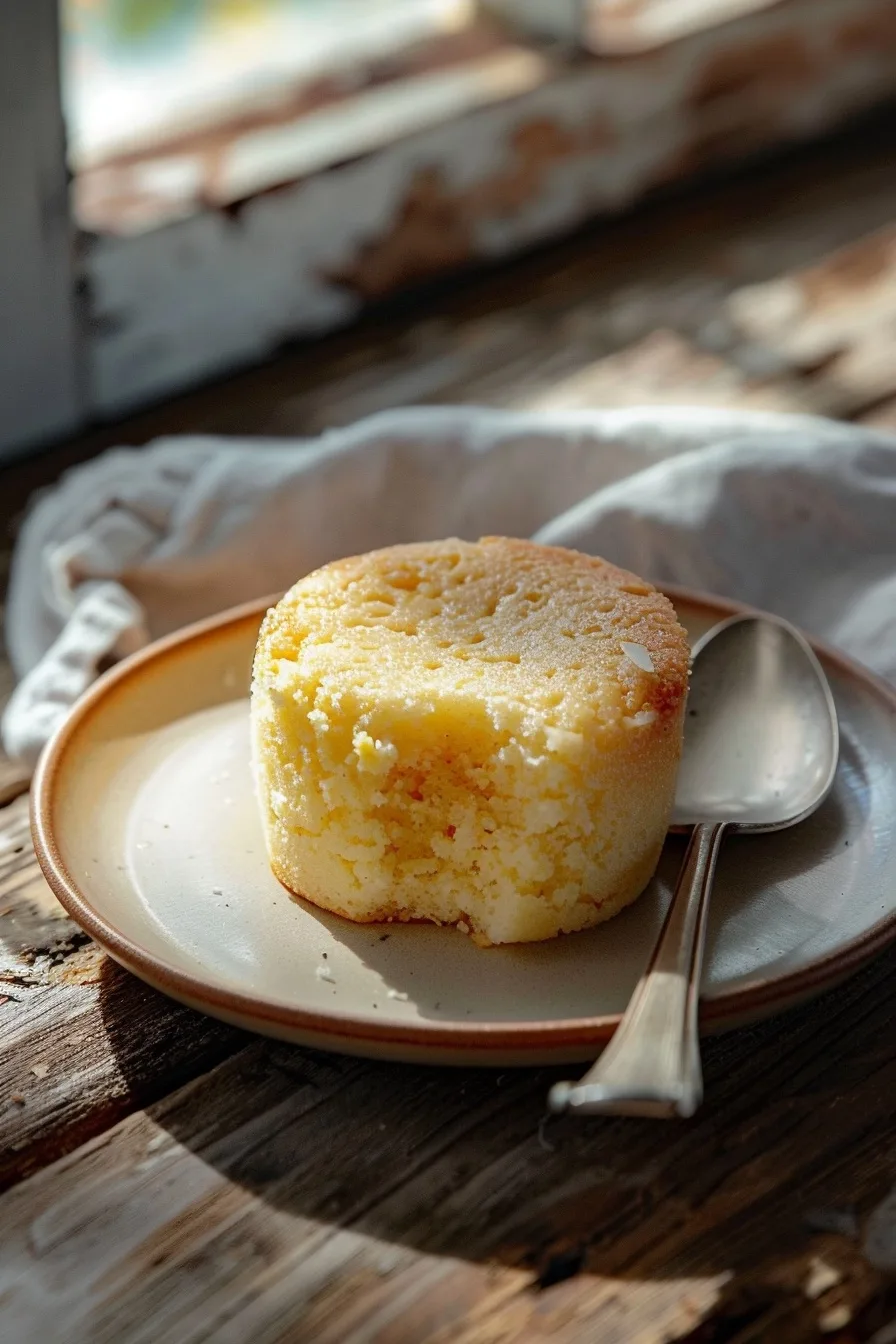
This Gluten Free Vanilla Mug Cake is a single-serving dessert that delivers pure vanilla bean bliss in under two minutes. It’s the quintessential microwave dessert for those moments when only a warm, fluffy cake will do. Forget lengthy preparations; this recipe transforms simple pantry staples into a sophisticated treat with an extraordinary speed.
Why This Recipe Works
As a fellow culinary enthusiast, I understand the science behind what makes a dessert truly satisfying. The magic of this mug cake lies in the controlled environment of the microwave. Microwaves heat food by agitating water molecules, and in this recipe, that rapid heating causes the gluten-free flour blend’s starches to gelatinize quickly. This process creates the cake’s tender structure almost instantaneously, preventing the toughness that can sometimes plague gluten-free baking.
The precise balance of ingredients is crucial. The gluten-free flour blend provides the necessary structure without the gluten protein that requires careful handling. Sugar not only sweetens but also tenderizes; it interferes with gluten development (though not applicable here, it still softens the cake crumb) and ensures moisture retention. Baking powder acts as the leavening agent, creating those desirable airy pockets. Milk contributes liquid for hydration and fat for richness, while oil ensures a moist crumb.
The microwave’s high heat cooks the cake batter incredibly fast, making it ideal for single servings. This method bypasses the slower, more even heat distribution of an oven, which is why you need to be precise with the cooking time. The result is a warm, moist cake with a delicate vanilla aroma that’s perfect for an immediate craving.
Ingredients
| Ingredient | Quantity | Notes |
|---|---|---|
| Gluten-Free All-Purpose Flour Blend | 3 tablespoons | Look for a blend containing rice flour, tapioca starch, and potato starch. Avoid blends with high bean flour content. |
| Granulated Sugar | 1 tablespoon | Standard white sugar offers sweetness and tenderizes the crumb. |
| Baking Powder | 1/4 teaspoon | Ensures a light and fluffy texture. Ensure it is fresh. |
| Milk | 2 tablespoons | Any milk works: dairy, almond, soy, oat. Whole milk offers the richest flavor. |
| Neutral Oil | 1 teaspoon | Such as vegetable, canola, or grapeseed oil. Adds moisture and richness. |
| Vanilla Extract (Optional, but recommended) | 1/4 teaspoon | Pure vanilla extract offers the best flavor. |
Step-by-Step Instructions
Preparation
-
Select a standard 10-12 ounce microwave-safe mug. Ensure it has straight sides for even cooking.
-
Add the gluten-free flour blend, sugar, and baking powder directly into the mug.
-
Whisk these dry ingredients together thoroughly using a small fork or mini whisk until uniformly combined and no pockets of leavening agent remain visible.
Mixing
-
Pour the milk and oil into the mug with the dry ingredients.
-
If using, add the vanilla extract now.
-
Whisk all ingredients together vigorously until a smooth batter forms. Ensure there are no dry flour pockets clinging to the bottom or sides of the mug, scraping down as needed. The batter should be thick but pourable.
Microwaving
-
Place the mug in the center of your microwave oven.
-
Microwave on high power for 60 to 90 seconds. Start with 60 seconds and add increments of 10-15 seconds if needed, checking for doneness.
-
The cake is done when the top appears set and springs back slightly when gently touched. A toothpick inserted into the center should come out mostly clean, with perhaps a few moist crumbs attached.
-
Carefully remove the hot mug from the microwave using oven mitts.
Chef Tips for Perfect Results
-
Mug Selection Matters: Use a standard straight-sided mug. Unusual shapes can lead to uneven cooking, resulting in parts of the cake being overcooked while others remain raw.
-
Don’t Overmix: While you want a smooth batter, overmixing after the wet ingredients are added can develop any starches present too much, potentially leading to a tougher cake, even without gluten. Mix just until combined.
-
Microwave Wattage Varies: Cooking times are estimates. Know your microwave’s wattage. Higher wattage ovens cook faster. It is always safer to undercook slightly and add more time than to overcook.
-
Resting Period: Allow the mug cake to cool for at least one minute before eating. The residual heat continues to cook the cake and allows the structure to set, preventing a gummy texture.
-
Flour Blend Precision: The success of gluten-free baking hinges on the flour blend. Using a blend specifically designed for baking, typically with a balance of rice flour, starches (tapioca, potato, corn), and sometimes xanthan gum, provides the best textural outcome.
Common Mistakes to Avoid
-
Overcooking: This is the most common issue. Microwaves cook by heating water molecules, and excess heat will quickly dry out the cake, leaving it rubbery and tough. The batter transforms rapidly from cooked to overcooked.
-
Under-whisking Dry Ingredients: If the baking powder is not evenly distributed, you’ll get pockets of dense cake and uneven rising. Always ensure the dry components are well blended before adding liquids.
-
Using the Wrong Mug: Decorative mugs with narrow openings or sloped sides can cause the batter to cook unevenly, leading to a dome that is burnt on one side and raw on the other.
-
Ignoring Doneness Cues: Relying solely on time without checking is risky. The ‘moist crumb’ test with a toothpick is a reliable indicator of proper doneness, signalling that the proteins have denatured and starches have gelatinized without overcooking.
Variations and Substitutions
| Ingredient | Substitution | Impact on Flavor/Texture |
|---|---|---|
| Gluten-Free Flour Blend | Almond flour (use 2 tbsp almond flour + 1 tbsp tapioca starch) | Slightly denser, nuttier flavor. May require a few extra seconds of cooking. |
| Sugar | Coconut sugar or maple syrup (reduce milk slightly if using syrup) | Coconut sugar adds a caramel note and slightly coarser texture. Maple syrup adds moisture and a distinct flavor. |
| Milk | Full-fat coconut milk or heavy cream | Richer, creamier texture and a subtle coconut or dairy richness. |
| Neutral Oil | Melted butter (unsalted) | Adds a richer, buttery flavor and a slightly different crumb structure. |
| Vanilla Extract | Almond extract (use 1/8 tsp), peppermint extract (use 1/8 tsp) | Completely changes the flavor profile. Almond extract offers a nutty warmth, while peppermint provides a cooling sensation. |
| Empty Mug | Small microwave-safe bowl or ramekin | Ensure it is the correct volume to prevent overflow. The cooking principle remains the same. |
Serving Suggestions and Pairings
For an elevated experience, top your warm mug cake with a dusting of powdered sugar, a dollop of whipped cream, or a few fresh berries. A tiny scoop of premium vanilla bean ice cream melting into the warm cake is pure indulgence. For a non-alcoholic beverage pairing, consider a sparkling apple cider, a rich hot chocolate made with dairy-free milk, or a sophisticated raspberry iced tea. This dessert is perfect for a solo treat after dinner, a quick afternoon pick-me-up, or even a simple celebratory moment.
Storage and Reheating
| Method | Duration | Exact Technical Instructions |
|---|---|---|
| Room Temperature | Up to 2 hours | Leave the cake in the mug. Cover loosely with a paper towel to prevent drying. Best consumed fresh. |
| Refrigeration | 1-2 days | If storing longer, let the cake cool completely. Transfer to an airtight container or cover the mug tightly with plastic wrap. |
| Reheating (Microwave) | 15-30 seconds | Place the mug cake in the microwave on high for short bursts (15 seconds), checking frequently. It should be warmed through, but avoid overheating, which makes it rubbery. |
| Reheating (Oven/Toaster Oven) | 3-5 minutes at 300°F (150°C) | Remove cake from mug and place on a small baking sheet. This method gently re-warms and can help restore some softness if it became slightly dry. |
Nutritional Information
| Nutrient | Amount per Serving | |
|---|---|---|
| Calories | Approximate values. Varies with specific ingredients. | |
| Protein | ||
| Fat | ||
| Carbohydrates | ||
| Fiber | ||
| Sugar | ||
| Sodium |
Frequently Asked Questions
Can I use a different gluten-free flour blend?
Yes, but results can vary significantly based on the blend’s composition. A DIY blend mimicking a commercial one (e.g., rice flour, tapioca starch, potato starch) is often best. Avoid blends heavily reliant on bean flours or whole grains, as they can alter texture and cooking time.
How do I know when the mug cake is truly done?
The cake is ready when the top surface looks cooked and slightly firm to the touch, and when a toothpick inserted into the center comes out with only a few moist crumbs attached. If wet batter clings to the toothpick, microwave in 10-second intervals until done.
My mug cake is too dense or gummy. What went wrong?
A dense or gummy texture usually indicates undercooking or issues with the flour blend’s hydration. Ensure you’ve microwaved for the full recommended time, checking doneness with a toothpick. Also, verify that your gluten-free flour blend is fresh and appropriate for baking.
Can I make this ahead and freeze it?
While not ideal for optimal texture, you can bake the mug cake, let it cool completely, wrap it tightly in plastic wrap, and then in foil, and freeze for up to two weeks. Thaw overnight in the refrigerator and reheat gently.
How can I adjust sweetness or flavor?
For sweetness, you can add a touch more sugar, but be mindful of not making it overly sweet, which can affect texture. For flavor, add a pinch of cinnamon, nutmeg, or a tablespoon of mini chocolate chips to the batter before microwaving.
This Gluten Free Vanilla Mug Cake is a testament to modern convenience meeting comforting tradition. It’s proof that you can achieve a delicious, warm cake experience in mere minutes, without compromising on flavor or texture. The delicate vanilla notes, combined with the tender crumb you achieve so rapidly, create a profoundly satisfying dessert that feels like a true indulgence. Enjoy this delightful creation whenever a sweet craving strikes.