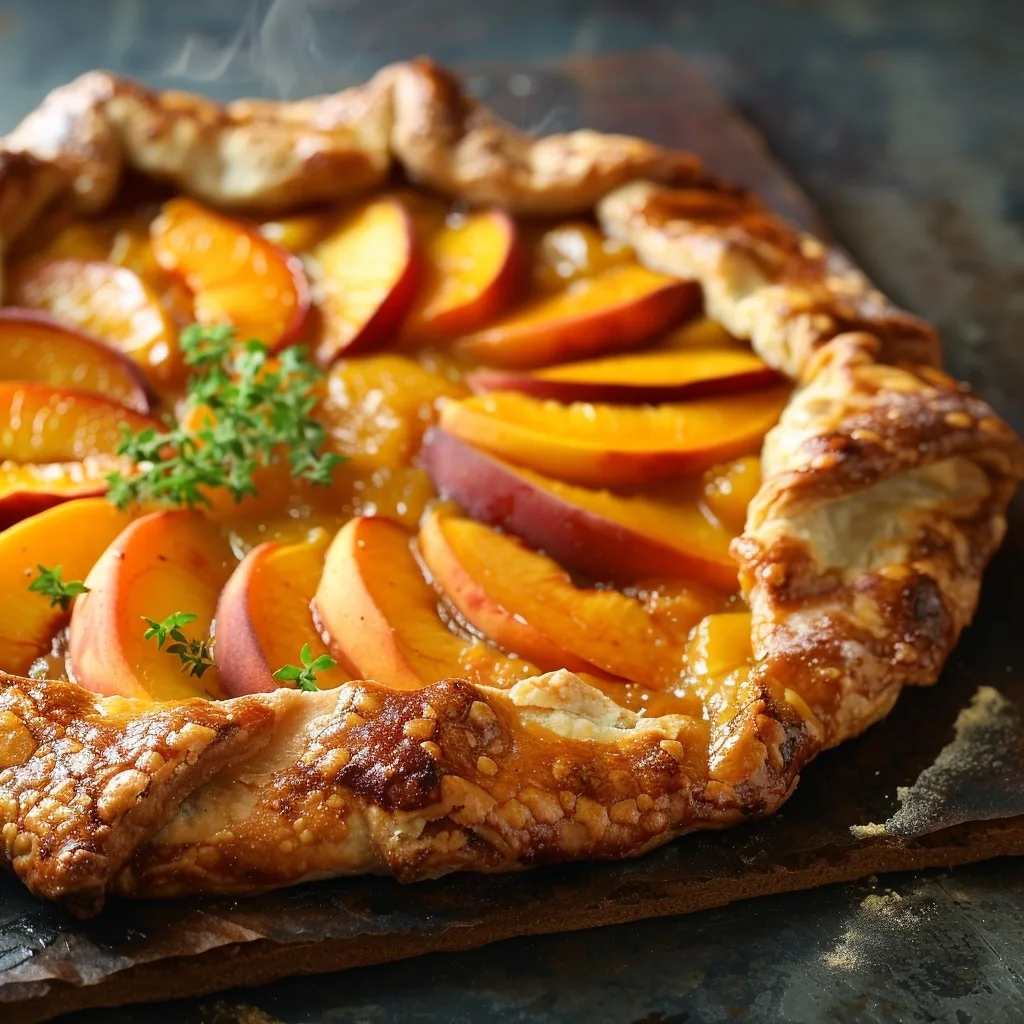

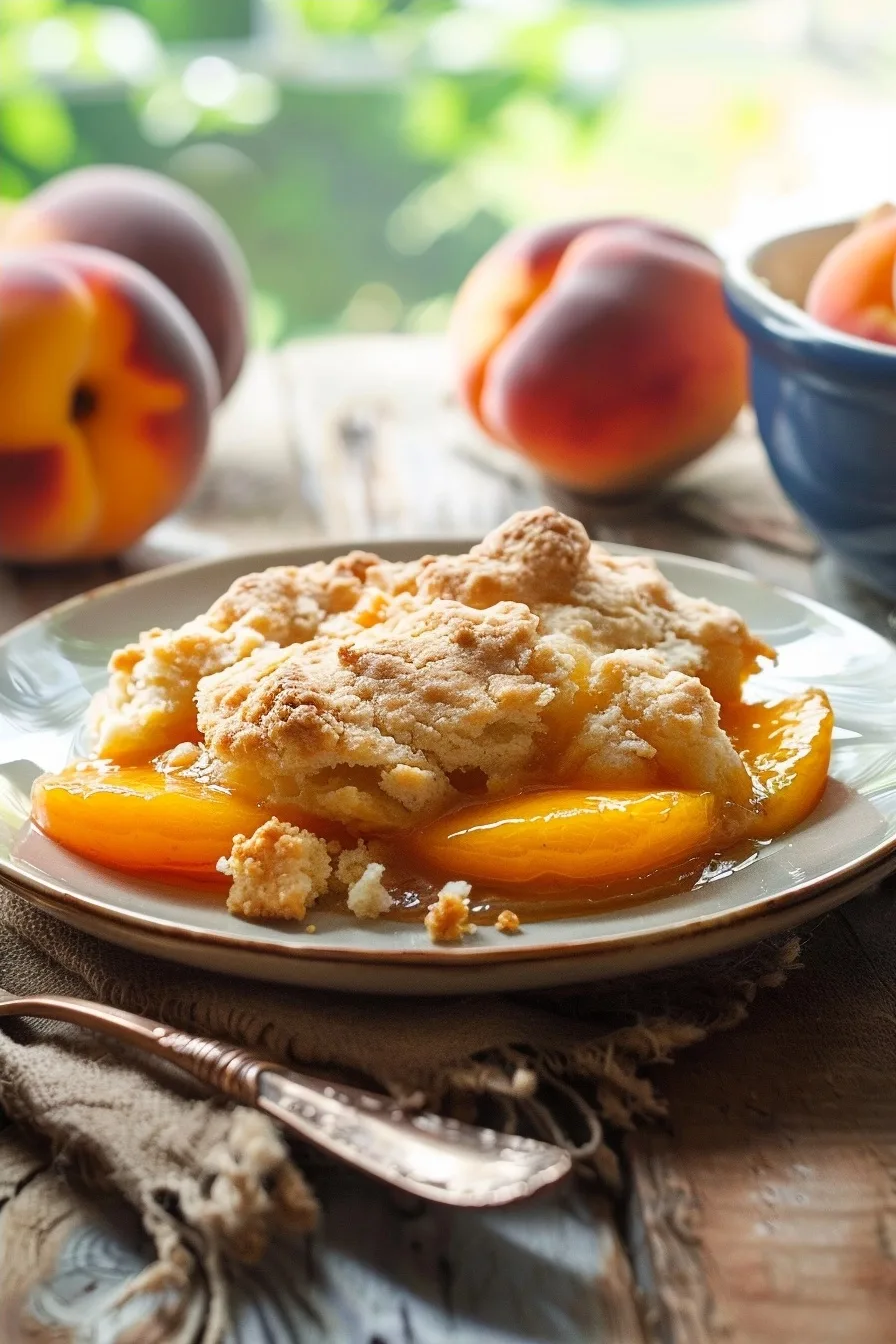
Single serve old fashioned biscuit peach cobbler (low calorie) is a precise culinary preparation that delivers a perfectly portioned fruit dessert without complex equipment or excess sugar. This method leverages high-heat convection to caramelize natural sugars in the peaches while creating a light, crumb-based topping that perfectly mimics traditional cobbler textures through calculated starch hydration.
Recipe Overview
| Attribute | Measurement |
|---|---|
| Prep Time | 5 minutes |
| Cook Time | 15 minutes |
| Total Time | 20 minutes |
| Servings | 1 |
| Difficulty | Easy |
| Cuisine | American |
Why This Recipe Works
The science behind this single-serving dessert relies on the rapid evaporation of water from the peach slices during the 375°F (190°C) bake cycle. As the peaches heat, their pectin content breaks down, leading to a natural thick, syrupy consistency that does not require refined cornstarch or added thickeners. The rapid thermal transfer ensures the fruit reaches its peak sweetness threshold quickly.
The biscuit topping utilizes a precise ratio of leavening agents found in low-calorie baking mixes to create structure through protein denaturation. By mixing just enough water to hydrate the flour particles without overworking the gluten, I ensure the finished topping remains airy rather than doughy. This precision prevents the dense, chewy texture often associated with microwaved or incorrectly measured baked goods.
Finally, the ratio of fruit to pastry is optimized to ensure that every forkful contains a balance of acidic, juicy fruit and a tender, slightly crisp crust. Controlling the headspace in the ramekin allows for even heat distribution across the surface, preventing the dreaded raw center issue. This systematic approach guarantees a professional dessert consistency in a fraction of the time usually required for full-size baking.
Ingredients
| Ingredient | Quantity | Notes |
|---|---|---|
| Sliced Peaches | 1/2 cup (120ml) | Use fresh or canned in natural juice. |
| Low-Calorie Biscuit Mix | 2 tbsp (15g) | Select a professional-grade low-calorie blend. |
| Water | 1 tbsp (15ml) | Use cold water for the best crust. |
| Cinnamon (optional) | 1 pinch | Adds warmth without caloric density. |
Step-by-Step Instructions
Prep Phase
- Preheat your oven to 375°F (190°C) to ensure a stable ambient temperature for even leavening.
- Measure 1/2 cup of sliced peaches and place them directly into a standard 6-ounce ceramic ramekin.
Baking Phase
- Combine the 2 tablespoons of low-calorie biscuit mix with 1 tablespoon of water in a small mixing bowl.
- Stir until a thick, shaggy dough forms; avoid excessive mixing to keep the biscuit light.
- Drop the dough mixture onto the center of the peaches using a spoon.
- Place the ramekin on a small baking sheet to ensure stability during the 15-minute bake.
- Bake until the biscuit topping is golden brown and the peach liquid is bubbling at the edges.
Chef Tips for Perfect Results
- Use cold water to keep the leavening agents stable until the heat hits the oven.
- Check that the peaches are uniform in thickness to ensure they soften simultaneously.
- Place the ramekin on a center rack to prevent bottom scorching.
- Let the cobbler rest for at least 3 minutes before consuming to allow the sauce to set.
- Use a serrated knife to test for doneness by ensuring no liquid batter remains at the center of the biscuit.
Common Mistakes to Avoid
Over-mixing the dough is the most frequent error, leading to tough biscuits because of excess gluten development. Keep the mixing minimal to ensure optimal air pockets. Another issue is using frozen, unthawed peaches which add too much water to the ramekin, preventing the crust from setting properly. Always use fresh or thoroughly drained canned fruit to manage moisture levels.
Variations and Substitutions
| Ingredient | Substitution | Impact |
|---|---|---|
| Biscuit Mix | Almond flour + baking powder | Lowers carbohydrates significantly. |
| Water | Unsweetened almond milk | Adds a slight creaminess to the crust. |
| Cinnamon | Nutmeg or Ginger | Changes the flavor profile to warmer spice tones. |
Serving Suggestions and Pairings
This dish pairs well with a small dollop of Greek yogurt or high-protein whipped topping to complement the acidity of the peaches. Serve immediately alongside a cup of hot black coffee or unsweetened herbal tea. This dessert is perfect for a quick, health-conscious finish to a light dinner served after a meal like grilled chicken or garden salad.
Storage and Reheating
| Method | Duration | Reheating Directions |
|---|---|---|
| Refrigerator | 24 hours | Reheat in the oven at 300°F for 8 minutes to maintain texture. |
Frequently Asked Questions
Can I use frozen peaches?
Frozen peaches work, but they must be completely thawed and drained, or they will result in a soggy crust. The excess liquid interferes with the starch gelatinization process required for the biscuit topping.
How do I know the biscuit is done?
The biscuit reaches readiness when the exterior is golden brown and the internal structure feels firm when touched lightly. A toothpick inserted into the center should emerge without wet residue.
Can I add sugar to this?
You can add a small amount of calorie-free sweetener to the dry biscuit mix if you prefer a higher sweetness profile. This will not change the structural integrity of the food science involved.
Why did my cobbler overflow?
Overflow occurs when the ramekin is overfilled with fruit or the dough is not spread evenly. Always leave at least one inch of clearance at the top of your baking dish.
Can I double the recipe?
You can adjust this recipe for two servings by using two separate ramekins. Do not combine them in one large dish, as it alters the specified baking time and heat distribution.
By mastering the chemistry of this single serve old fashioned biscuit peach cobbler (low calorie), you have unlocked a reliable dessert option. The result is a warm, texturally contrast-rich fruit cobbler that satisfies cravings while remaining disciplined in caloric content. You will find that the natural fruit juices, when condensed by heat, provide a depth of flavor that rivals traditional, sugar-heavy desserts.