
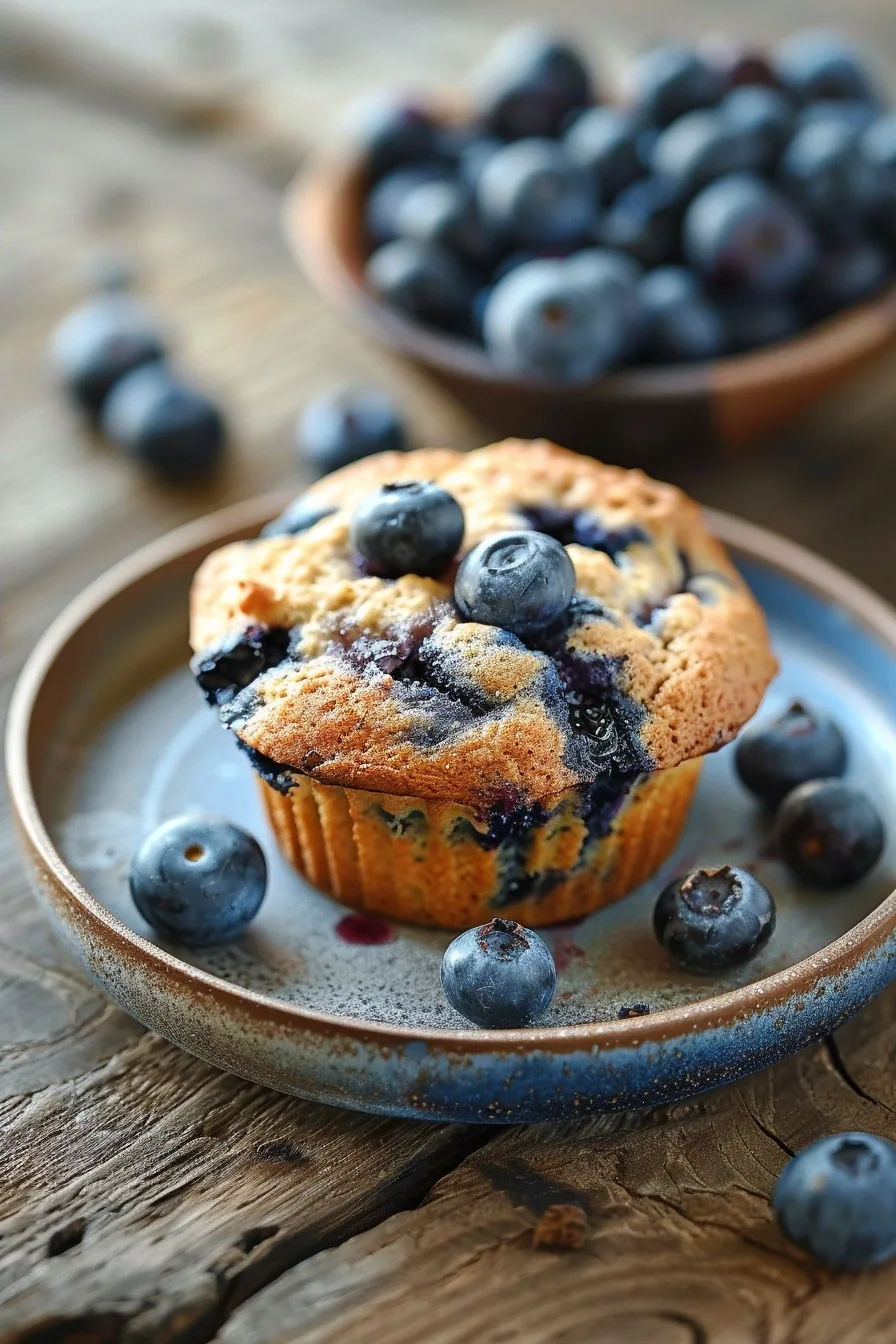
A single serve blueberry muffin mug cake provides a fast, nutritious breakfast solution by utilizing microwave energy to gelatinize starches and set proteins in minutes. This method offers the structural integrity of a traditional bakery muffin with the convenience needed for busy mornings. Relying on precise ratios of flour, leavening, and liquid, this recipe delivers a light, tender crumb without the need for an oven. Professional efficiency begins with understanding the physics of rapid heating in confined kitchen spaces.
Recipe Overview
| Category | Details |
|---|---|
| Prep Time | 1 minute |
| Cook Time | 1 minute 15 seconds |
| Total Time | 2 minutes 15 seconds |
| Servings | 1 |
| Difficulty | Beginner |
| Cuisine | American |
Why This Recipe Works
The science of this mug cake centers on the rapid hydration of gluten-forming proteins and starch granules. When you combine flour, milk, and oil, you create a structure that captures the carbon dioxide released by the baking powder. Because microwave heating is far faster than a conventional oven, the internal temperature rises quickly, causing the batter to expand before the proteins fully coagulate.
I developed this recipe to avoid the common rubbery texture often associated with microwaved baked goods. By using a precise 2:1 ratio of milk to flour and incorporating a small amount of oil, we ensure the crumb remains moist rather than desiccated. The blueberries serve as pockets of steam-generating moisture, which helps keep the surrounding cake hydrated throughout the rapid heating cycle.
Understanding the heat distribution in a microwave is paramount to success. Microwaves pulse energy that causes water molecules to vibrate, creating heat through friction. By keeping the cooking time under 75 seconds, we prevent the starches from over-crystallizing, which maintains that soft, muffin-like mouthfeel instead of a dense, chewy texture. This is professional-grade chemistry scaled down to a single coffee mug.
Ingredients
| Ingredient | Quantity | Notes |
|---|---|---|
| All-purpose flour | 3 tbsp (25g) | Do not pack the measure. |
| Granulated sugar | 1 tbsp (12g) | Provides structure and browning. |
| Baking powder | 1/4 tsp | Ensure it is fresh for maximum lift. |
| Whole milk | 2 tbsp (30ml) | Can use almond milk for a lighter fat profile. |
| Neutral oil | 1 tsp (5ml) | Grapeseed or avocado oil works best. |
| Fresh blueberries | 1 tbsp | Pat dry before folding in. |
Step-by-Step Instructions
Preparation and Mixing
-
Select a microwave-safe mug with a capacity of at least 8 ounces to allow for expansion.
-
Whisk the flour, sugar, and baking powder together in the mug until evenly distributed.
-
Add the milk and oil to the dry ingredients, stirring with a fork until the batter reaches a smooth consistency.
-
Fold the blueberries gently into the batter to avoid bruising the fruit.
Heating Process
-
Place the mug in the center of the microwave turntable.
-
Microwave on high (1000 watts) for 60 seconds.
-
Check the doneness by touching the top; it should be firm but springy.
-
Add an additional 10-15 seconds if the center appears wet or runny.
-
Cool for 60 seconds before consuming to allow the crumb to stabilize.
Chef Tips for Perfect Results
-
Always aerate your flour by whisking it before measuring to ensure a light, airy crumb.
-
Use a wide-mouth ramekin or bowl if you prefer a surface area that mimics a true muffin top’s crispness.
-
Adjust your cooking time based on your microwave wattage; 1200-watt microwaves require the lower end of the time spectrum.
-
Do not over-mix the batter, as excessive agitation develops gluten, resulting in a tougher, bread-like structure.
-
Add a pinch of salt to amplify the sweetness of the berries and the natural notes of the sugar.
Common Mistakes to Avoid
One common failure is over-cooking, which causes the moisture to evaporate, leading to a hard, rubbery puck. Biochemical degradation of the protein structure happens rapidly once the internal temperature exceeds 210 degrees Fahrenheit, so adhere to the timer. Conversely, under-mixing leaves pockets of flour, which negatively affect the final texture and cause uneven structural development in the cake.
Variations and Substitutions
| Ingredient | Substitution | Impact |
|---|---|---|
| Whole milk | Unsweetened soy milk | Increased protein, minimal flavor change. |
| Blueberries | Chopped strawberries | Higher moisture content requires longer cooling. |
| Neutral oil | Melted butter | Adds a richer, dairy-forward flavor profile. |
Serving Suggestions and Pairings
Serve this muffin immediately with a dollop of Greek yogurt for added protein or a light drizzle of honey. It pairs exceptionally well with a medium-roast Colombian coffee or a clean, herbal peppermint tea. For a weekend treat, garnish the top with a pinch of coarse turbinado sugar for a professional textural contrast.
Storage and Reheating
| Method | Duration | Technical Note |
|---|---|---|
| Immediate | N/A | Best served within 5 minutes of cooking. |
| Refrigerated | 24 hours | Cover with plastic wrap to prevent micro-drying. |
Nutritional Information
Approximate values per serving.
| Nutrient | Amount |
|---|---|
| Calories | 180 kcal |
| Protein | 3g |
| Fat | 5g |
| Carbohydrates | 32g |
Frequently Asked Questions
Can I replace the flour with gluten-free alternatives?
Measurement for measurement replacement with a high-quality gluten-free all-purpose blend usually works. Ensure your blend contains xanthan gum to mimic the structural properties of wheat gluten.
How do I know the muffin is done?
The muffin is done when the top feels firm to the touch and a toothpick inserted into the center comes out clean. If the center looks liquid or shiny, continue cooking in 5-second increments.
Can I freeze the batter for later?
Freezing the mixed batter is not recommended as the baking powder is heat-activated and will begin losing efficacy upon hydration. It is always better to mix the dry ingredients ahead of time and incorporate the liquids fresh.
Is the mug size important?
Mug size affects the heat distribution; an 8-ounce mug provides the ideal volume for the batter to rise without overflowing. Smaller mugs may lead to overflow, while larger mugs might result in a flat, thin cake.
What is the purpose of the oil?
Oil provides necessary fats that coat the flour proteins, which shortens the gluten strands and creates a tender crumb. It also helps conduct heat evenly through the batter, preventing dry spots during the microwave cycle.
This blueberry mug cake represents the intersection of speed and gourmet quality. By controlling the ratios and respecting the rapid heating process, you achieve a breakfast that feels artisanal yet takes minimal effort. Enjoy the bright, bursting flavor of blueberries paired with a tender sponge that elevates your morning routine into a refined culinary experience.