
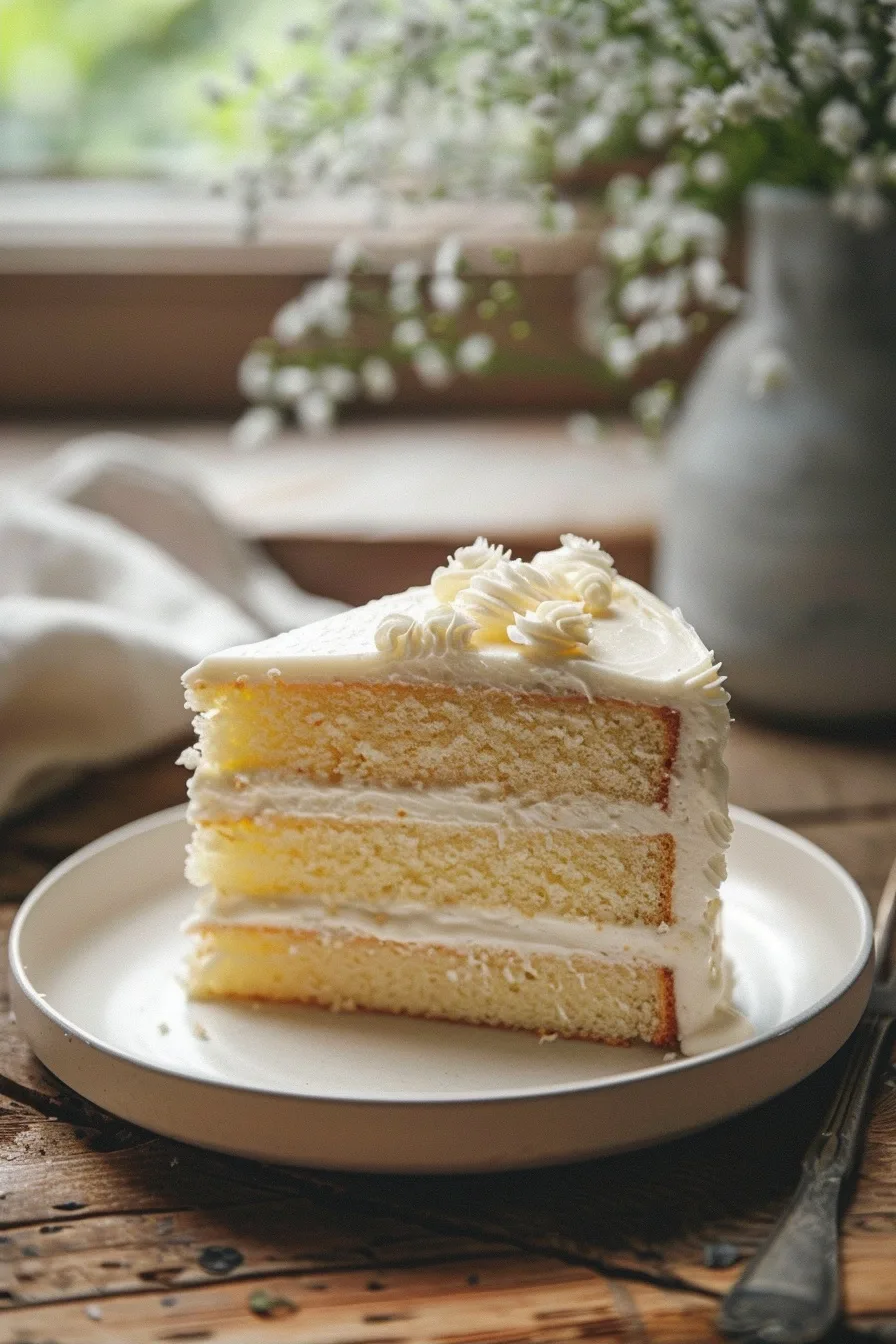
Single portion vanilla cake with quick yogurt frosting offers a refined, lightning-fast solution for satisfying immediate dessert cravings without the commitment of a large batch. This method utilizes precise microwave thermodynamics to achieve a tender, sponge-like crumb, topped with a tangy, protein-rich Greek yogurt glaze that balances the residual sweetness of the sponge. It is the perfect study in portion control and rapid, high-quality domestic baking.
Recipe Overview
| Prep Time | 2 minutes |
|---|---|
| Cook Time | 1 minute |
| Total Time | 3 minutes |
| Servings | 1 |
| Difficulty | Easy |
| Cuisine | American |
Why This Recipe Works
I developed this recipe by focusing on the rapid starch gelatinization that occurs in a microwave environment. Unlike a traditional oven, where heat is conducted from the air through the pan, the microwave excites water molecules within the batter directly, causing an incredibly rapid rise. Using exactly three tablespoons of flour ensures the structure holds its shape without becoming rubbery when exposed to high-frequency energy.
My scientific approach to the frosting centers on the rheology of Greek yogurt. By combining high-protein, strained yogurt with a humectant like honey, I achieve a stable, creamy consistency that mimics traditional buttercream without the need for saturated fats. The acidity of the yogurt serves a secondary function, cutting through the sweetness of the sugar to provide a clean, palate-cleansing finish that keeps the portion feeling light.
Temperature management is critical during the cooling phase. Allowing the cake to sit for exactly sixty seconds after the microwave cycle lets residual steam dissipate from the internal crumb architecture. If you cut into the cake immediately, the steam will condense, turning the base gummy. Providing this brief rest period stabilizes the cake, ensuring the yogurt frosting sits atop the surface without liquefying.
Ingredients
| Ingredient | Quantity | Notes |
|---|---|---|
| All-Purpose Flour | 3 tbsp | Use finely milled cake flour for a tighter crumb. |
| Granulated Sweetener | 1 tbsp | Cane sugar or erythritol both function well. |
| Baking Powder | 1/4 tsp | Ensure your leavening agent is fresh for maximum lift. |
| Milk | 2 tbsp | Whole milk provides the necessary fat for a tender finish. |
| Greek Yogurt | 1 tbsp | Use plain, full-fat yogurt for the best texture. |
| Honey | 1 tsp | Acts as both sweetener and textural binder for the glaze. |
Step-by-Step Instructions
Preparation
- Grease a microwave-safe ramekin using a touch of neutral oil to prevent adhesion during the expansion phase.
- Whisk the flour, sweetener, and baking powder in the ramekin until the mixture appears perfectly uniform, ensuring no clumps of leavening agent remain.
- Pour in the milk and stir until the batter reaches a smooth, consistent viscosity without overworking the gluten, which would result in a tough final product.
Baking and Assembly
- Cook the batter in the microwave on high power for precisely 60 seconds.
- Remove the ramekin carefully and allow the cake to rest on a heat-proof surface for 60 seconds of cooling.
- Whisk the Greek yogurt and honey in a small bowl until the frosting is glossy and smooth.
- Spoon the yogurt mixture over the center of the cake, allowing it to coat the surface evenly.
Chef Tips for Perfect Results
- Always sift your dry ingredients to prevent dense pockets within the crumb structure.
- Use room temperature milk; fridge-cold milk can solidify the fat and yield an uneven cook.
- Wait for the initial steam to clear before adding the frosting, as extreme heat is the enemy of yogurt stability.
- Position the ramekin at the edge of the microwave turntable, not in the direct center, for more even wave distribution.
- Measure flour by weight if possible (approximately 23 grams) for the highest degree of consistency.
- Ensure the heat source in your microwave is clean to maintain efficient energy distribution.
Common Mistakes to Avoid
- Over-mixing: Moving the batter past the point of consolidation activates too much gluten, resulting in a dense, chewy cake rather than a fluffy one.
- Ignoring resting time: The cake continues to cook via carryover heat during the 60-second rest; removing it too soon often results in an undercooked center.
- Using low-fat ingredients: A lack of fat in the milk or yogurt causes the emulsion to break, leading to a watery, unpleasant mouthfeel.
- Incorrect ramekin size: Using a vessel that is too large allows the batter to spread too thin, causing the edges to dry out before the center sets.
Variations and Substitutions
| Ingredient | Substitution | Impact on Flavor/Texture |
|---|---|---|
| Milk | Almond milk/Soy milk | Adds a subtle nuttiness with no impact on crumb structure. |
| Honey | Maple syrup | Provides a deeper, earthy sweetness that pairs well with vanilla. |
| Sweetener | Stevia | Requires adjustment; reduces moisture and calories significantly. |
Serving Suggestions and Pairings
This dish is best served immediately alongside a cup of freshly brewed black coffee or a delicate white tea. For a more sophisticated presentation, garnish with a single fresh blueberry or a micro-zest of lemon to enhance the vanilla notes. It is a quintessential dessert after a light lunch, fitting easily into any mid-day schedule without necessitating an oven-based baking project.
Storage and Reheating
| Method | Duration | Handling Instructions |
|---|---|---|
| Room Temp | 1 hour | Cover with a light cloth to prevent the top from developing a crust. |
| Refrigeration | 6 hours | Place in an airtight container to prevent scent absorption from the fridge. |
| Reheating | 10 seconds | Microwave briefly on low power to avoid drying out the proteins. |
Nutritional Information (Approximate values)
| Nutrient | Amount per Serving |
|---|---|
| Calories | 145 kcal |
| Protein | 4g |
| Fat | 2g |
| Carbohydrates | 26g |
| Fiber | 0.5g |
| Sugar | 12g |
| Sodium | 85mg |
Frequently Asked Questions
Can I use self-rising flour instead of all-purpose?
Yes, you can substitute the flour and baking powder with an equal amount of self-rising flour. Ensure you do not add extra leavening to maintain the structural balance.
How do I know when the cake is fully cooked?
The cake is done when the surface feels springy to the touch and a toothpick inserted into the center emerges clean. If the center looks wet, microwave in 5-second intervals until set.
Can I prepare this in advance for guests?
While this cake is designed for immediate consumption, you can mix the dry ingredients ahead of time. Simply keep the dry mixture in the ramekin and add the liquid components when you are ready to heat.
Why did my frosting melt instantly?
High residual heat causes the yogurt to thin out; always verify the cake has finished its cooling phase. A temperate cake will create a much more aesthetically pleasing glaze.
Can I add protein powder for a boost?
You can add half a teaspoon of vanilla whey protein, but you must increase the milk by one teaspoon. Protein powder absorbs significant moisture, which can otherwise cause the cake to dry out.
This single portion vanilla cake represents the height of functional, efficient home baking. By mastering the physics of microwave cooking and the delicate balance of yogurt-based frostings, you achieve a professional-standard dessert in under five minutes. The final product offers a clean, sweet vanilla profile anchored by the subtle, acidic brightness of the honeyed yogurt, delivering a sophisticated mouthfeel that defies its rapid preparation time. Enjoy this balanced and indulgent treat whenever the mood strikes with the confidence of a seasoned chef.