
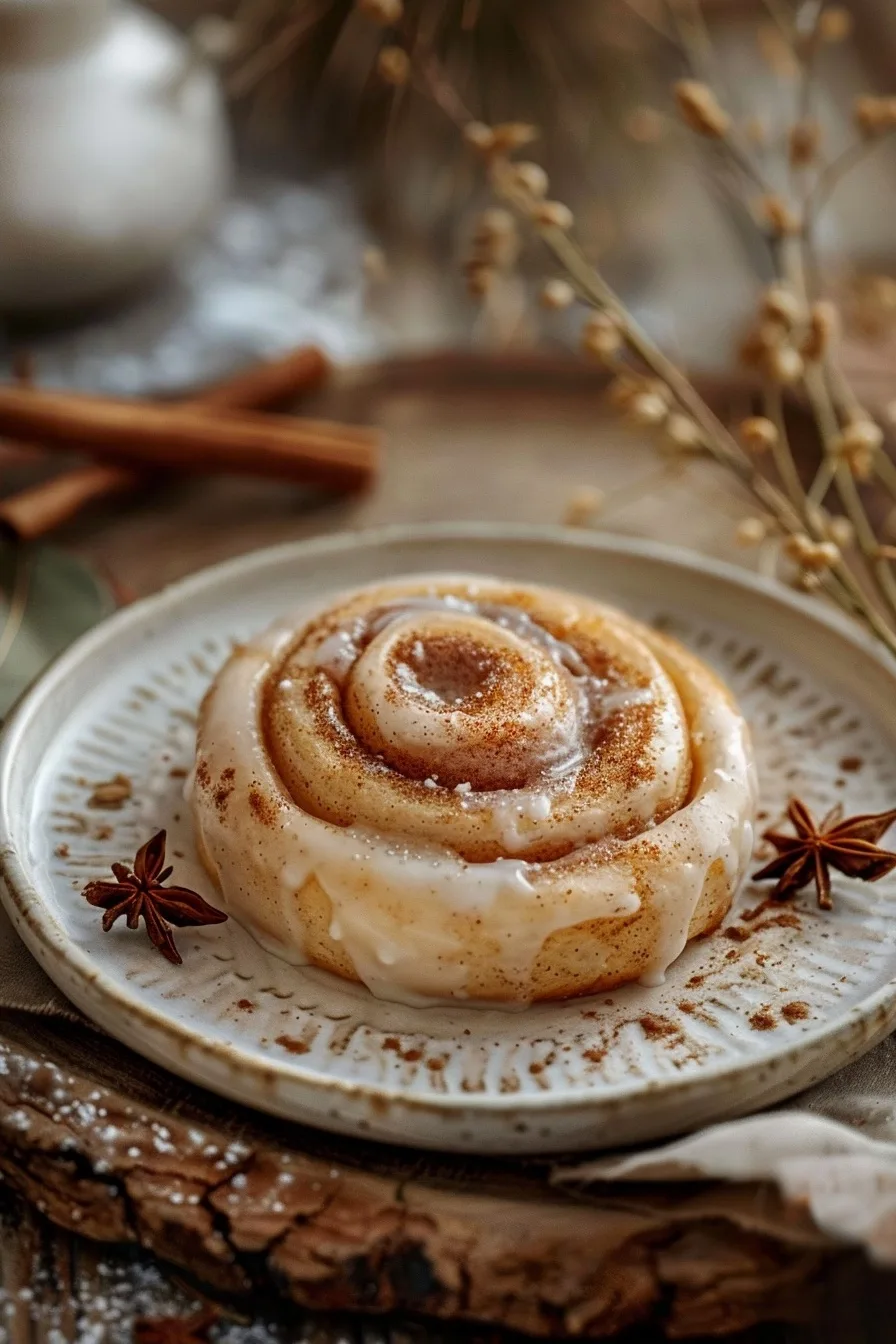
A single portion soft batch cinnamon roll mug cookie is the rapid, precision-engineered dessert solution for those seeking immediate gratification through home baking. By leveraging microwave energy to facilitate rapid steam-based leavening and sugar crystallization, this recipe creates a warm, gooey handheld treat in less than two minutes. This specific formulation balances carbohydrate ratios and moisture content to ensure a tender, cake-like crumb without the traditional wait times required by oven-based baking.
| Metric | Details |
|---|---|
| Prep Time | 2 Minutes |
| Cook Time | 50 Seconds |
| Total Time | 3 Minutes |
| Servings | 1 |
| Difficulty | Beginner |
| Cuisine | Modern American |
Why This Recipe Works
I crafted this recipe using the principals of rapid starch gelatinization which occurs during high-frequency microwave waves. Unlike conventional ovens that rely on ambient heat and convection, the microwave excites water molecules within the dough at an extremely fast rate. This generates internal steam that lifts the flour proteins, creating a soft structure before the sugar caramelization gives the cookie its characteristic deep, warm profile.
My scientific approach to this mug cookie involves a controlled lipid-to-flour ratio that is higher than standard recipes. I use one tablespoon of butter for three tablespoons of flour to maintain a “short” texture, preventing the gluten network from becoming too rigid. This ensures the crumb remains tender, mimicking the internal texture of a classic cinnamon roll while providing the handheld ease of a cookie.
Temperature control is managed through the fat source itself. By using room-temperature butter rather than melted, I ensure a more stable fat distribution during the brief mixing phase. This creates pockets of fat that melt precisely when the microwave heats the dough, which prevents the cookie from becoming flat or overly oily during the short cooking cycle.
Ingredients
| Ingredient | Quantity | Notes |
|---|---|---|
| All-Purpose Flour | 3 tbsp | Standard unbleached flour works best. |
| Brown Sugar | 1 tbsp | Packed light or dark for moisture. |
| Butter | 1 tbsp | Use unsalted; softened to room temp. |
| Cinnamon | 1/4 tsp | Ground Ceylon or Cassia. |
| Milk | 1 tsp | Plant-based or dairy options work. |
| Baking Powder | 1/8 tsp | Essential for vertical lift. |
Step-by-Step Instructions
Phase 1: Dough Preparation
-
Combine the flour, brown sugar, cinnamon, and baking powder in a microwave-safe mug.
-
Whisk the dry ingredients thoroughly to ensure the baking powder is evenly distributed, which prevents uneven rising.
-
Add the softened butter and the teaspoon of milk to the mug.
-
Press the mixture against the sides of the mug using the back of a spoon to create a stiff, cohesive dough mass.
Phase 2: Microwave Baking
-
Place the mug on the outer edge of the microwave turntable to ensure even energy distribution.
-
Cook on high power for 45 to 50 seconds.
-
Monitor the cookie visually; the top should appear moist but set, and the edges should reach a dull matte finish, indicating structural setting.
-
Remove the mug cautiously as the ceramic will retain high heat.
Chef Tips for Perfect Results
-
Use a wide-bottomed mug to allow for a flatter, cookie-like spread rather than a tall cake-like texture.
-
Allow the cookie to set for 60 seconds after the microwave stops; residual steam trapped in the dense dough continues to firm up the proteins.
-
The internal temperature should reach approximately 190°F (88°C) to safely gelatinize the flour without drying out.
-
Select a high-quality ceramic mug to ensure the thermal mass absorbs and radiates heat back into the cookie base.
-
Always use fresh baking powder; if you suspect it is old, test a tiny amount by dropping it in hot water before starting your dough.
Common Mistakes to Avoid
Overcooking is the primary cause of rubbery textures in single-portion cakes. Because microwaves heat unevenly, excessive time causes the protein structure to contract too tightly, squeezing out moisture and leaving you with a tough consistency. If the center looks slightly wet, trust the 60-second rest period rather than adding more time.
Ignoring ingredient ratios can also lead to failure. If you use a spoon to measure flour, pack it down, you might be adding 20% more mass than the recipe intends. Always spoon flour into your measuring tool and level it off to keep the ratio of fats and liquids balanced.
Variations and Substitutions
| Ingredient | Substitution | Impact |
|---|---|---|
| Butter | Coconut oil | Adds a subtle tropical note and crunchier edges. |
| Milk | Almond milk | Neutral flavor, maintains the correct moisture density. |
| Brown Sugar | Maple syrup | Adds moisture but decreases the chewiness of the edges. |
Serving Suggestions and Pairings
This dish pairs exceptionally well with a side of chilled high-protein Greek yogurt to balance the sweetness with acidity. For a sophisticated non-alcoholic pairing, serve this with a chilled vanilla-infused brewed coffee or a hot cinnamon-spiced black tea. During winter months, a light drizzle of honey or a sprinkle of sea salt can offset the rich notes of the brown sugar.
Storage and Reheating
| Method | Duration | Technical Direction |
|---|---|---|
| Countertop | 1 hour | Best eaten immediately; the crumb stales rapidly due to evaporation. |
| Fridge | 1 day | Wrap in plastic to prevent moisture loss from the dry refrigerator environment. |
| Reheat | 10 seconds | Add a single drop of water before reheating to rehydrate the starch molecules. |
Nutritional Information
| Nutrient | Amount per Serving (Approx.) |
|---|---|
| Calories | 245 kcal |
| Protein | 3g |
| Fat | 12g |
| Carbohydrates | 32g |
Frequently Asked Questions
Can I replace butter with margarine?
Yes, swapping butter for margarine works effectively as the lipid content is similar. Ensure the margarine is not whipped or spreadable, as those varieties contain excess water that will prevent the cookie from forming its structure.
How do I know the cookie is done?
The cookie is perfectly cooked when the surface appears matte-dry to the touch and the edges pull slightly away from the mug walls. A clean toothpick inserted into the center should emerge with a few moist crumbs, but no wet batter.
Can I freeze this cookie?
It is not recommended to freeze a cooked mug cookie because the starch structure is specifically optimized for immediate consumption and will degrade significantly during thawing. If you need a make-ahead solution, mix the dry ingredients in a small container and add the liquid components directly before you plan to microwave.
Why is my cookie rubbery?
A rubbery texture indicates that the dough was over-mixed or cooked for too long in the microwave. Minimal mixing is essential to prevent excess gluten development, which turns a soft, crumbly cookie into a chewy, dense block.
Is the milk necessary?
Milk provides the necessary liquid to hydrate the starches and proteins, which is critical for the chemical reactions that occur during the rapid heating process. Without the milk, the dough will remain powdery and fail to combine into a uniform cookie texture.
Creating this single portion soft batch cinnamon roll mug cookie provides a masterclass in rapid culinary execution. The interplay between the brown sugar’s moisture and the butter’s fat content delivers a comforting experience that rivals high-end bakes. Enjoy the warmth and deep notes of cinnamon in every bite of this precisely engineered dessert. With practice, you can adapt these ratios to fit your favorite mix-ins while maintaining the integrity of this classic quick-prep method.