
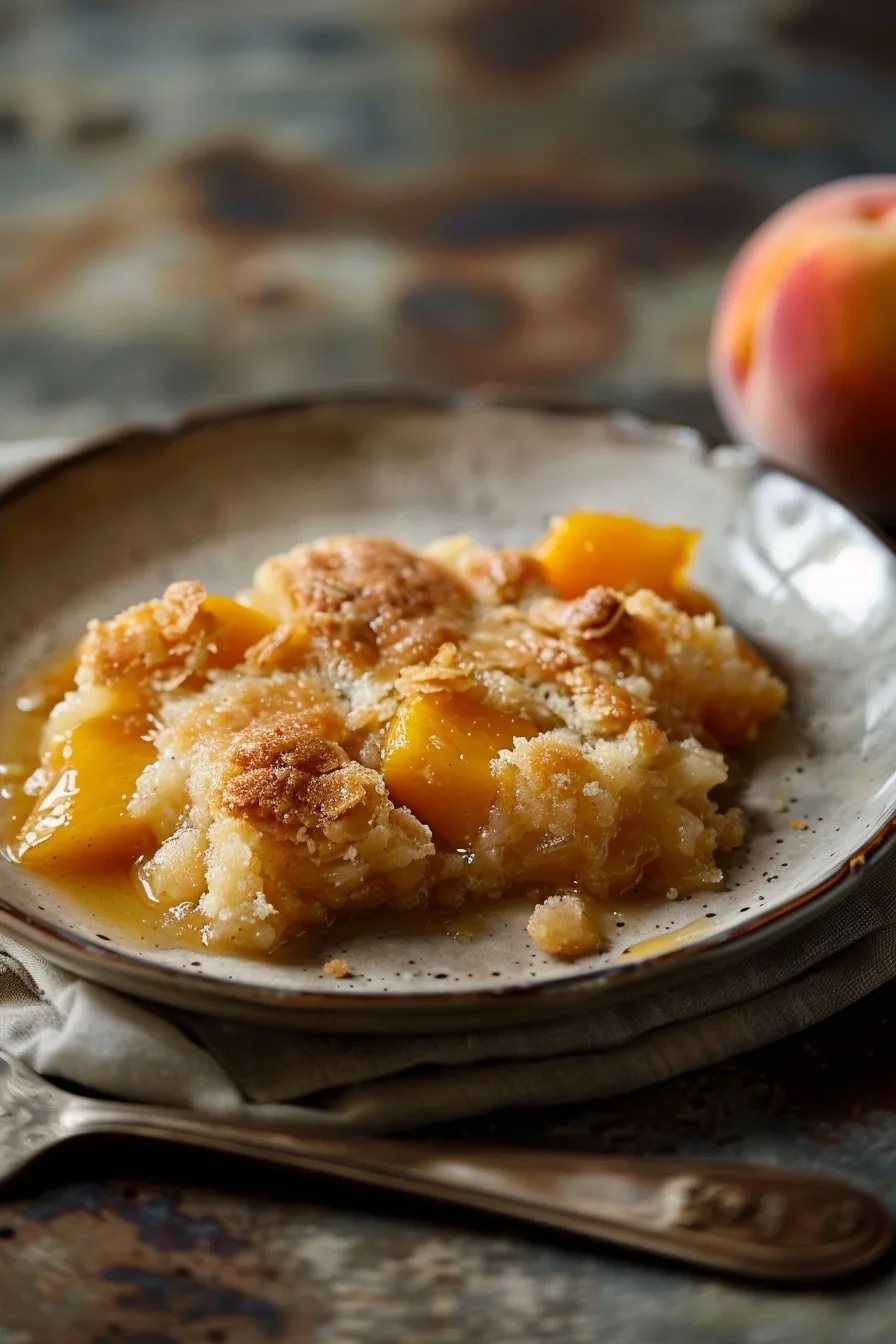
Healthy Single Serve Southern Peach Cobbler (Quick Fix) is an efficient, nutrient-dense dessert that delivers authentic fruit-forward flavors in under ten minutes. This preparation technique utilizes convection or microwave heating to soften stone fruit fibers while developing a crisp, aromatic crust. By choosing whole food ingredients, home cooks create a satisfying treat without the excess sugar found in professional restaurant versions.
| Prep Time | Cook Time | Total Time | Servings | Difficulty | Cuisine |
|---|---|---|---|---|---|
| 3 mins | 2-10 mins | 13 mins | 1 | Easy | Southern American |
Why This Recipe Works
The culinary brilliance of this recipe rests on the specific heat transfer properties of the chosen ingredients. When stone fruit like peaches are subjected to rapid heat, the protopectin within their cell walls breaks down. This biochemical process releases natural sugars and juice, creating a syrupy base that requires no added thickeners or stabilizers. My method ensures the fruit remains vibrant, preserving the integrity of its flavor profile.
Using oat flour serves a vital structural purpose in this individual portion preparation. Unlike wheat flour, which contains higher gluten potential that might become gummy when microwaved, oat flour provides a nutty, earthy depth and a lighter crumb structure. This pairing with coconut oil ensures the fats saturate the dry ingredients without becoming overly dense or greasy.
Temperature control represents the final variable in my success logic. Whether reaching for the microwave for rapid starch gelatinization or the oven for a deeper Maillard reaction, the goal involves balancing moisture evaporation with crust formation. The cinnamon acts as an aromatic bridge, chemically interacting with the peach esters to create an illusion of increased sweetness without adding refined sucrose.
Ingredients
| Ingredient | Quantity | Notes |
|---|---|---|
| Fresh Peach | 1/2 unit, diced | Ensure fruit is ripe for maximum sweetness |
| Oat Flour | 2 tbsp | Fine-ground certified gluten-free preferred |
| Maple Syrup | 1 tbsp | Use Grade A for a lighter flavor profile |
| Coconut Oil | 1 tbsp, melted | Neutral refined version suggested |
| Cinnamon | 1/4 tsp | Freshly ground provides higher volatile oils |
Step-by-Step Instructions
Preparation
- Dice the fresh peach into half-inch cubes.
- Transfer the diced fruit directly into a microwave-safe ramekin or small ceramic bowl.
Topping Assembly
- Combine the oat flour, maple syrup, melted coconut oil, and cinnamon in a small mixing bowl.
- Whisk the mixture until the consistency approximates coarse wet sand.
- Distribute the topping evenly over the peach base without pressing it down, allowing air circulation for even cooking.
Heat Processing
- Heat via microwave on high for exactly two minutes or place in a preheated oven at 375°F (190°C) for ten minutes.
- Verify that the fruit is bubbling at the edges and the crust has set firm to the touch before removing.
- Cool for at least three minutes to allow the syrup to stabilize as the temperature drops.
Chef Tips for Perfect Results
- Always dice peaches uniformly to ensure that every piece reaches the same internal temperature simultaneously.
- Select fruit that yields slightly to pressure to ensure the natural pectin density produces a thick sauce.
- Avoid over-mixing the topping, as excessive agitation can lead to a tough or rubbery texture.
- Use a wide ramekin to maximize the surface area, promoting faster evaporation and a better crust-to-fruit ratio.
- Incorportate a pinch of sea salt to the topping to sharpen the sweetness perception of the peach.
Common Mistakes to Avoid
- Failing to account for microwave wattage variations often leads to undercooked centers; always adjust timing by fifteen-second increments.
- Using frozen peaches without thawing leads to excess water release, which ruins the crust base through saturation.
- Ignoring the cooling phase prevents the natural starches in the flour from firming, leading to a runny, mushy final dish.
- Selecting overripe, nearly disintegrated peaches creates a fruit puree instead of a chunky cobbler experience.
Variations and Substitutions
| Ingredient | Substitution | Impact |
|---|---|---|
| Oat Flour | Almond Flour | Higher fat content creates a richer, denser crust |
| Maple Syrup | Date Paste | Adds fiber and a caramel-like darker sugar profile |
| Coconut Oil | Grass-fed Butter | Enhanced savory quality and traditional dairy mouthfeel |
Serving Suggestions and Pairings
This cobbler functions best as a post-dinner comfort dish or a sophisticated midday treat. Pair it with a small scoop of chilled coconut milk yogurt to provide a lactic contrast to the warm, spiced fruit. For a more formal presentation, garnish with a single fresh mint leaf or a dusting of freshly grated nutmeg. Serve alongside an iced herbal infusion, such as rooibos, which mirrors the earthy notes of the oat flour.
Storage and Reheating
| Method | Duration | Technical Instructions |
|---|---|---|
| Refrigerated | 24 hours | Cover with silicone lid and reheat for 30 seconds |
| Freeze | Not suggested | High moisture content prevents optimal texture recovery |
Nutritional Information
Approximate values per serving.
| Nutrient | Amount per Serving |
|---|---|
| Calories | 185 kcal |
| Protein | 2g |
| Fat | 9g |
| Carbohydrates | 24g |
| Fiber | 3g |
Frequently Asked Questions
Can I make this with canned peaches?
Canned peaches contain high amounts of added syrup and preservatives that mask the fresh fruit flavor. Use fresh or frozen (and thawed) fruit to ensure the natural acidity and texture profiles remain intact during the heating process.
How do I know if the dish is done?
The visual cue for doneness is the presence of bubbling fruit juice around the perimeter of the ramekin. The topping should appear matte and firm rather than glossy or raw in appearance.
Why is my cobbler too runny?
Excess moisture is typically caused by failing to drain excess liquid from the fruit before baking. Ensure the peaches are patted dry if they release significant juices during the dicing phase.
Can I scale this for more people?
Scaling this recipe requires adjusting the total cook time based on the volume of the container used. Small individual ramekins provide the best heat distribution for this specific quick-fix method.
Is oat flour necessary?
Oat flour provides the specific structural binding needed to create a crumbly texture without needing gluten development. Substitutes like almond flour work well, though they will result in a significantly softer, more fragile topping.
References: USDA FoodData Central and the Institute of Food Technologists regarding the science of pectin behavior in stone fruits.
This individual cobbler accomplishes the perfect harmony between fruit acidity and earthy, grain-based warmth through precise moisture management and heat application. The final result is a vibrant, aromatic dessert that satisfies cravings while maintaining nutritional integrity. Enjoy the contrast of the soft, sweet peaches beneath the slight crunch of the spiced topping, delivering a complete sensory experience in every single, satisfying bite.