
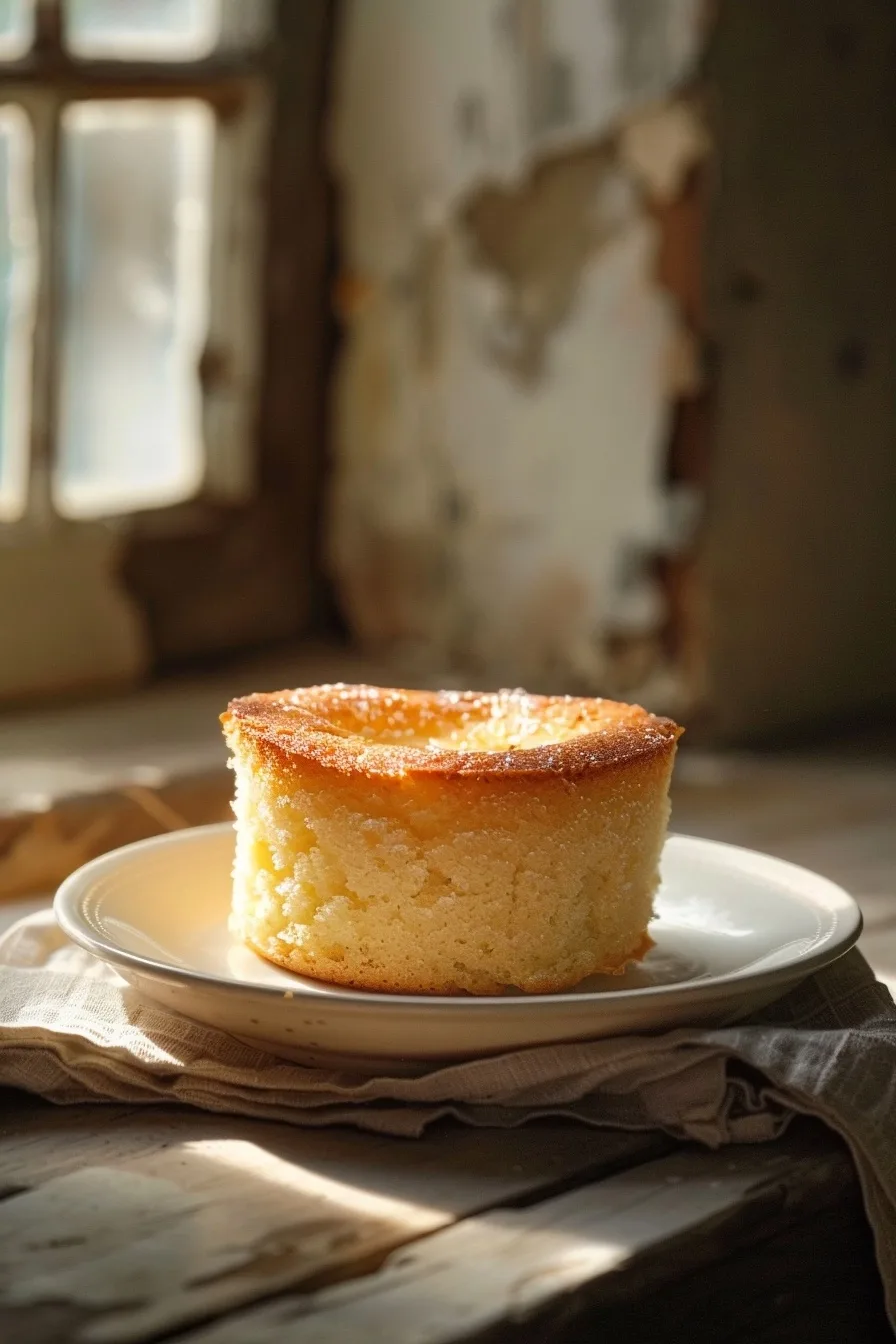
The healthy single serve Kentucky butter mug cake is a rapid, portion-controlled dessert that mimics the rich, buttery texture of a traditional southern butter cake using minimal time and simple ingredients. This moist, indulgent treat relies on precise emulsion and starch heating to achieve a bakery-quality texture in your microwave. It provides a satisfying sweet finish to any meal without the need for large-batch baking or complex equipment.
Why This Recipe Works
I developed this recipe by focusing on the hydration levels of the flour. In standard mug cakes, overmixing often leads to a rubbery structure because of excessive gluten development. My method emphasizes gentle whisking, which ensures the flour particles swell just enough to create a tender crumb without building a tough, chewy protein network. This precision allows for that classic Kentucky butter cake density despite the rapid heating environment of a microwave.
Food science plays a significant role in this specific emulsion. By combining the butter, sweetener, and milk before adding the flour, I create a stable lipid-base that coats the starch molecules. This technique prevents the flour from clumping and ensures that the final cake has a uniform, buttery profile throughout. The specific ratio of fat to starch ensures that the crumb is lubricated, providing that characteristic mouthfeel associated with high-butter cakes.
Temperature regulation is also critical to success here. Microwave ovens heat food by exciting water molecules, which can cause internal structures to collapse if the power level is too high or the time is too long. By capping the cooking time at 75 seconds, I maintain enough moisture in the center of the cake to prevent the sugars from caramelizing into a hard, sticky mess. This balance creates a cake that is soft, moist, and structurally sound from the very first bite.
Ingredients
| Ingredient | Quantity | Notes |
|---|---|---|
| All-Purpose Flour | 3 tbsp | For GF use a 1:1 baking blend. |
| Unsalted Butter | 1 tbsp | Melted and slightly cooled. |
| Granulated Sweetener | 1 tbsp | Can use monk fruit or cane sugar. |
| Pure Vanilla Extract | 1/4 tsp | Essential for the butter cake aromatic profile. |
| Milk | 1 tsp | Use whole or almond for moisture balance. |
Step-by-Step Instructions
Preparation
- Select a microwave-safe mug with a capacity of at least 8 ounces to prevent overflow during the rise.
- Measure the flour, sweetener, and butter into the mug ensuring accuracy to maintain the crumb structure.
Execution
- Whisk all ingredients vigorously until the batter is smooth and free of visible flour streaks.
- Tap the mug firmly on the counter once or twice to release large air bubbles trapped during mixing.
- Microwave on high power for 60 to 75 seconds until the top looks set but appears slightly moist.
Chef Tips for Perfect Results
- Use room temperature milk and butter to facilitate a smoother, faster emulsion during the mixing phase.
- Leave at least one inch of space at the top of the mug, as the cake will rise significantly during the final ten seconds of cooking.
- Let the mug cake sit in the microwave for 30 seconds after the timer stops to allow the residual steam to firm up the center.
- Add a pinch of sea salt if using unsalted butter to enhance the depth of the flavor profile.
- Stick to the requested measurement of vanilla, as excessive liquid at this small volume can impede the set of the flour starch.
Common Mistakes to Avoid
- Overmixing the batter: Too much movement creates gluten, which translates into a dense, rubbery cake instead of a light, butter-rich dessert.
- Excessive cooking time: Microwaves vary in power, and going over 75 seconds causes the sugars to dehydrate, leading to a burnt or rock-hard texture.
- Using the wrong mug shape: A wide-mouth mug ensures even energy distribution, while very deep, narrow mugs often result in a soggy, undercooked center.
- Ignoring the cooling period: The heat continues to redistribute even after the microwave stops, so consumption immediately can result in a mushy experience.
Variations and Substitutions
| Ingredient | Substitution | Impact |
|---|---|---|
| Butter | Coconut oil | Provides a lighter, slightly tropical finish. |
| Milk | Oat milk | Adds a slight nutty undertone to the cake. |
| Sweetener | Maple syrup | Adds moisture but makes the final crumb slightly denser. |
Serving Suggestions and Pairings
This cake is best served inverted onto a small plate with a dollop of fresh whipped cream or a few macerated berries. Pairing it with a high-quality decaf black coffee or an herbal chamomile tea balances the richness of the butter. For a more formal presentation, dust the top with a tiny amount of powdered sweetener to mimic the glazed look of a traditional Kentucky butter cake.
Storage and Reheating
| Method | Duration | Handling |
|---|---|---|
| Room temp | Not recommended | Structure loses moisture rapidly. |
| Refrigerated | 24 hours | Cover with plastic wrap to prevent absorption of fridge odors. |
| Reheating | 10 seconds | Microwave only briefly to avoid overcooking the base. |
Nutritional Information
Approximate values per serving (calculations assume standard pantry staples):
| Nutrient | Amount per Serving |
|---|---|
| Calories | 165 kcal |
| Protein | 2g |
| Fat | 9g |
| Carbohydrates | 18g |
Frequently Asked Questions
Can I make this dairy-free by swapping the butter?
Yes, swapping butter for an equal amount of melted coconut oil works perfectly while maintaining the necessary fat content for a tender crumb. Ensure the oil is not boiling hot when you add the flour to avoid early starch gelatinization.
How do I know when the cake is finished cooking?
Visible cues are your best indicator; the top should appear dry and firm to the touch, and the sides should pull away slightly from the mug. If the center looks glistening or wet, add 5 more seconds of cook time.
Why did my cake overflow in the microwave?
Overflow usually occurs if the mug is too small or if improper whisking incorporated too much air into the batter. Always use a generous mug and tap it on the counter to settle the ingredients before hitting start.
Can I freeze the batter for later?
I do not recommend freezing the wet batter, as the leavening agents or fats will lose their stability. This recipe is designed for single-serve execution, making it fast enough to prepare from scratch in under three minutes.
What if my mug cake is dry?
Dryness is almost always a result of overcooking or using too much flour; always level your tablespoons of flour carefully to ensure consistency. If it turns out dry, ensure you are using exactly the recommended amount of liquid milk to balance the starch.
Achieving a professional bakery result at home is possible with the right techniques. This Kentucky butter mug cake offers a reliable, buttery, and sweet experience that satisfies cravings instantly. Master the balance of flour and fat to ensure every serving is as light as it is flavorful. Enjoy the simple, warm comfort of a freshly made portion, perfect for any time you need a swift, delicious treat.
Single Serve Kentucky Butter Mug Cake
Prep time: 2 minutes
Cook time: 75 seconds
Total time: 3 minutes 15 seconds
Servings: 1
Cuisine: American