
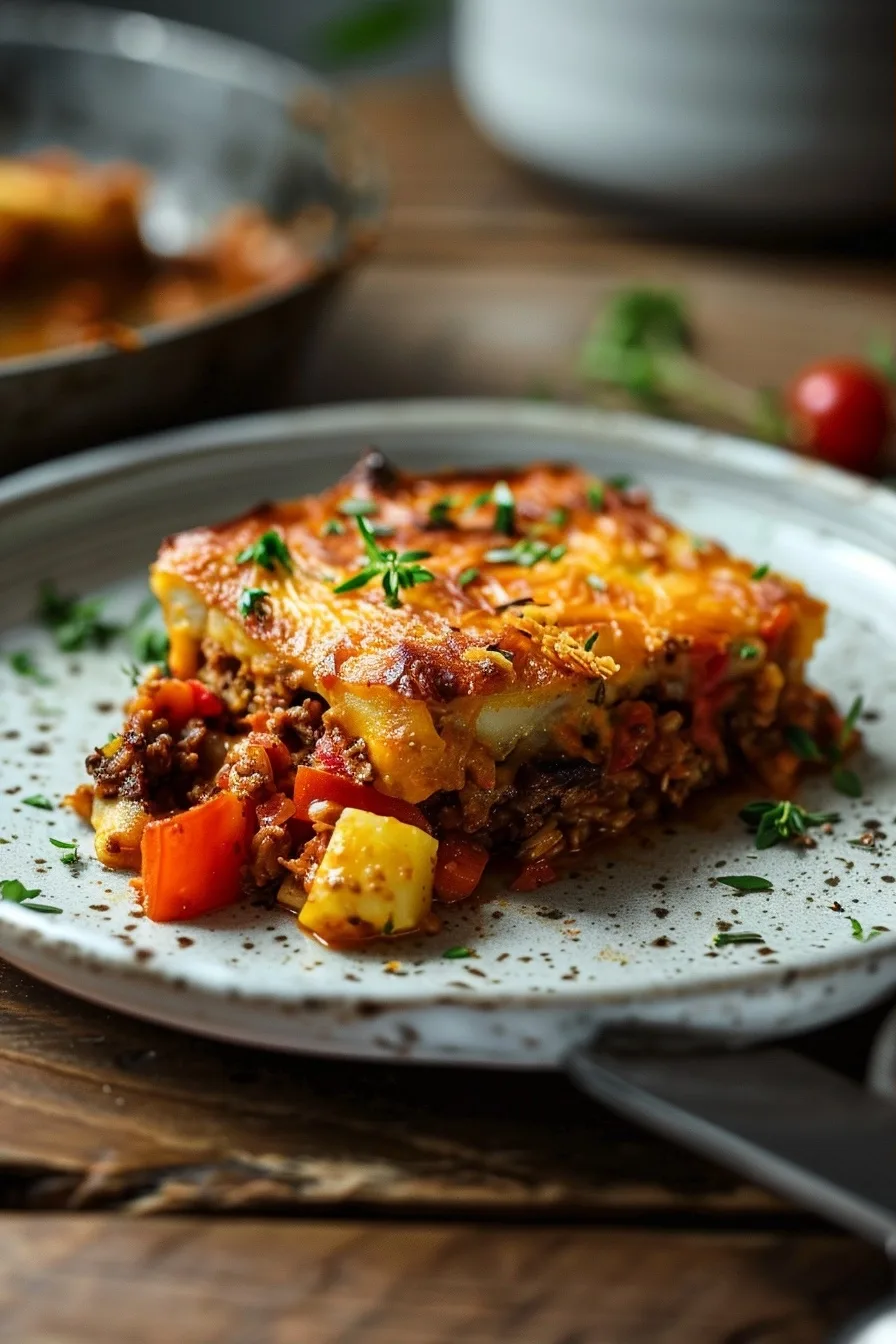
Healthy single serve hobo casserole provides a nutritious, portion-controlled dinner solution for busy weeknights when time is limited. This one-skillet method utilizes lean ground beef and vibrant summer vegetables to create a balanced meal without the fuss of heavy cleanup or complex preparation. By focusing on high-quality proteins and fresh produce, you gain a flavorful, satisfying dish that prioritizes health and convenience in a modern, streamlined kitchen setting.
| Prep Time | Cook Time | Total Time | Servings | Difficulty | Cuisine |
|---|---|---|---|---|---|
| 5 min | 10 min | 15 min | 1 | Easy | American |
Why This Recipe Works
The culinary logic behind this single serve hobo casserole rests on the Maillard reaction. By searing lean ground beef in a hot pan, we promote the browning process where amino acids and reducing sugars react to create complex, savory flavor compounds. This deep flavor base is essential when working with minimal ingredients, providing a foundational richness that defines the dish.
Using summer vegetables in this specific preparation allows for controlled moisture release. When vegetables like zucchini or bell peppers are added after the beef has developed its crust, they soften while retaining a slight structural integrity. This contrast in texture prevents the casserole from becoming mushy, ensuring each bite feels fresh and intentional.
Finally, the tomato sauce integration functions as the binding agent and acidity source. As the sauce reduces slightly during the final heating phase, it concentrates the natural umami from the tomatoes, coating the beef and vegetables effectively. This process emulsifies the fats released by the beef with the tomato liquid, creating a cohesive, balanced bite without requiring heavy additives or long simmering times.
Ingredients
| Ingredient | Quantity | Notes |
|---|---|---|
| Lean ground beef (90/10) | 1/2 cup | Use high-quality beef for less grease. |
| Mixed summer vegetables | 1/2 cup | Zucchini, bell peppers, or yellow squash. |
| Garlic powder | 1/2 tsp | Essential for consistent flavor distribution. |
| Tomato sauce | 1/4 cup | Low-sodium varieties are recommended. |
| Smoked paprika | 1/8 tsp | Adds a deep, wood-fired flavor profile. |
| Sea salt and black pepper | To taste | Adjust based on personal preference. |
Step-by-Step Instructions
Prep
- Chop summer vegetables into uniform, half-inch pieces to ensure consistent cooking times across all components.
- Measure out the beef and tomato sauce to have all components ready for a quick stove-top assembly.
Searing and Cooking
- Heat a small non-stick skillet over medium-high heat until the surface is hot but not smoking.
- Add the lean ground beef to the pan, breaking it apart with a spatula to initiate the Maillard reaction.
- Continue to brown the beef until no pink remains, ensuring the moisture evaporates so proper browning occurs.
- Toss the chopped vegetables into the skillet with the beef, sautéing until the vegetables are tender-crisp.
- Stir in the tomato sauce, garlic powder, and smoked paprika, mixing thoroughly to coat the base ingredients.
- Simmer the mixture for two minutes to allow the sauce to reduce slightly and flavors to meld.
- Transfer the finished casserole to a serving bowl immediately for optimal texture and heat retention.
Chef Tips for Perfect Results
- Maintain a high surface-area-to-volume ratio by using a small skillet rather than a large one for a single portion.
- Season the beef during the browning stage to draw out natural juices and develop a more robust depth of flavor.
- Avoid overcrowding the pan, as excessive steam will prevent the vegetables from browning properly.
- Use a meat thermometer if working with larger portion sizes to ensure the beef internal temperature reaches 160°F (71°C).
- Allow the tomato sauce to slightly reduce until it reaches a thick, jammy consistency, which provides better adherence to the proteins.
Common Mistakes to Avoid
Overcooking the vegetables is a frequent error. This happens when the pan heat is too low for the initial sauté, causing the produce to steam rather than sear. Prevent this by using high heat for the first stage of cooking.
Failing to brown the beef properly results in a bland, uninspired dish. Biochemistry dictates that white, steamed meat lacks the complex nutty notes found in well-browned beef. Ensure the meat remains undisturbed for at least sixty seconds upon hitting the hot pan.
Variations and Substitutions
| Ingredient | Substitution | Impact on Flavor |
|---|---|---|
| Lean ground beef | Ground turkey | Lighter, milder flavor profile. |
| Tomato sauce | Crushed tomatoes | Adds more texture and rustic consistency. |
| Garlic powder | Fresh minced garlic | Sharper, more aromatic flavor profile. |
Serving Suggestions and Pairings
This dish performs exceptionally well alongside a crisp arugula salad dressed with a simple lemon vinaigrette. For a more robust meal, consider serving it with a side of toasted sourdough bread to soak up the sauce. A glass of chilled sparkling water infused with fresh cucumber and mint provides the perfect refreshing contrast to the savory, warm notes of the casserole.
Storage and Reheating
| Method | Duration | Technical Instructions |
|---|---|---|
| Refrigerator | 2-3 days | Store in an airtight glass container to prevent oxidation. |
| Reheating | Stovetop | Reheat on low heat with a teaspoon of water to restore sauce consistency. |
Nutritional Information
Approximate values per serving.
| Nutrient | Amount |
|---|---|
| Calories | 240 kcal |
| Protein | 22g |
| Fat | 12g |
| Carbohydrates | 9g |
| Fiber | 2g |
Frequently Asked Questions
Can I use other vegetables?
Yes, you can swap the summer vegetables for any hardy vegetable like kale or onions. Just ensure you adjust the cooking time so they reach your desired level of tenderness.
How do I know the beef is finished?
The ground beef is finished when the color shifts from pink to a consistent dark brown. There should be no visible liquid remnants in the pan before you add the tomato sauce.
Is it possible to freeze this casserole?
Freezing is not recommended for this specific single-serve recipe due to the vegetable texture degradation during thawing. It is best enjoyed fresh or within three days of preparation from the refrigerator.
How can I thicken the sauce?
Increase the heat to medium-high for an extra minute during the final stage to evaporate excess liquid. This technical application of heat reduces the water content, concentrating the dissolved solids.
Can I double the recipe?
You can certainly double the recipe by using a larger pan to maintain the necessary heat density. Ensure you do not crowd the pan, which would lower the temperature and impede the browning process.
By mastering the fundamentals of heat transfer and ingredient selection, you have transformed basic staples into a satisfying performance-driven meal. This recipe demonstrates that efficiency does not require sacrificing quality or flavor. Enjoy the process of creating this robust, savory casserole, knowing that every bite is backed by solid culinary science and wholesome nutrition. The result is a simple, effective dish that delivers a perfectly balanced, warm, and seasoned experience every time you head to the stove.