
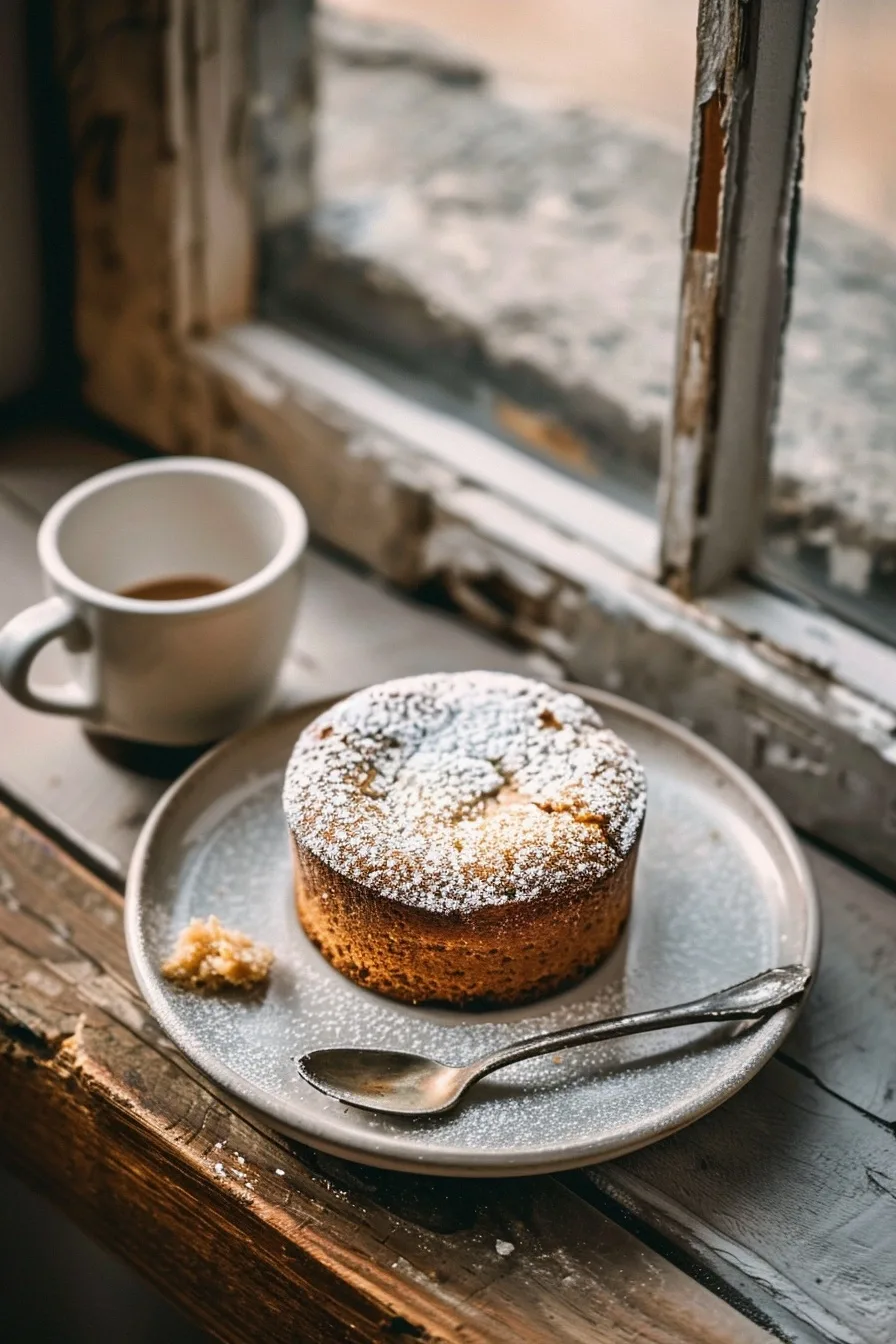
Cozy Single Serve Peanut Butter Mug Cake (Low Calorie) is a protein-packed, warm dessert that satisfies cravings in just over a minute. This culinary creation utilizes oat flour and natural nut butter to achieve a tender crumb structure without the excessive sugar or fats found in traditional baked goods. It provides a dense, comforting texture while maintaining a precise control over caloric intake, making it an ideal choice for a balanced evening treat.
| Metric | Details |
|---|---|
| Prep Time | 2 minutes |
| Cook Time | 1 minute |
| Total Time | 3 minutes |
| Servings | 1 |
| Difficulty | Easy |
| Cuisine | American |
Why This Recipe Works
The science behind this mug cake relies on the rapid interaction between the leavening agent and the oat starch when exposed to microwave energy. Unlike traditional ovens that use ambient heat to slowly set proteins, the microwave vibrates water molecules within the batter, creating steam that forces the cake to rise quickly. Oat flour is structural here; it contains less gluten than wheat flour, which prevents the cake from becoming rubbery during such a fast cooking process.
I chose peanut butter as the primary fat source because its protein content helps stabilize the batter while providing a deep, roasted flavor profile that standard vegetable oils cannot match. A precise ratio of liquid to dry ingredients ensures that the batter achieves a thick, cohesive consistency. This prevents the edges from drying out long before the center has fully set, protecting the delicate moisture balance required for a single-serve cake.
Using a sweetener instead of granular sugar significantly changes the chemistry of the crumb. Sugar acts as a tenderizer by preventing the coagulation of egg proteins, but since we are excluding eggs for a quick microwave set, the sweetener provides the necessary bulk without melting into a sugary glaze. The result is a consistent, reliable structure that feels substantial on the palate while keeping the caloric density remarkably low for a satisfying dessert experience.
Ingredients
| Ingredient | Quantity | Notes |
|---|---|---|
| Oat Flour | 3 tbsp | Use gluten-free oat flour for sensitivities. |
| Peanut Butter | 1 tbsp | Use natural, unsalted variety for better control. |
| Sweetener | 1 tbsp | Granulated monk fruit or stevia blend works best. |
| Baking Powder | 1/4 tsp | Ensure it is fresh to maximize rise. |
| Almond Milk | 2 tbsp | Unsweetened variety is recommended for calories. |
Step-by-Step Instructions
Prep and Mixing
-
Select a microwave-safe mug with a capacity of at least 8 ounces to prevent overflow during the rise.
-
Measure the oat flour into the mug and add the baking powder, stirring until both dry ingredients are thoroughly combined.
-
Add the creamy natural peanut butter and the chosen sweetener into the vessel.
-
Pour the almond milk over the dry ingredients to initiate moisture incorporation.
-
Stir the mixture with a small fork or whisk until the batter reaches a smooth, consistent peanut butter-colored paste.
Baking
-
Place the mug in the center of the microwave turntable for optimal energy distribution.
-
Cook on high power for 60 seconds as the steam creates the final structure.
-
Remove the mug immediately using a heat-resistant mitt, noting that the vessel will remain hot for several minutes.
Chef Tips for Perfect Results
-
Avoid over-mixing the batter, which can lead to a dense, gummy texture due to excessive oat starch activation.
-
Rotate your microwave-safe mug 180 degrees halfway through cooking if your appliance has known hot spots.
-
Let the cake rest for 30 seconds after the microwave stops to allow the internal residual heat to finalize the setting of the crumb.
-
Use a liquid-based sweetener like sugar-free syrup if you prefer a moister finish, but reduce milk by 1/2 teaspoon to compensate.
-
Measure your oat flour by leveling the tablespoon with the back of a knife to ensure accurate caloric calculations.
Common Mistakes to Avoid
Using a microwave with a wattage higher than 1200W can cause the cake to explode quickly. Always observe the cake through the window and pause if you notice excessive rising. Using expired baking powder is a common failure point that results in a dense, flat puck rather than a fluffy cake. If your baking powder is over six months old, test its activity by dropping a pinch into hot water; it should fizz immediately.
Selecting an oversized mug sometimes spreads the batter too thin, leading to dry, leathery edges that lack soft center contrast. Conversely, using too small a vessel restricts the lift, resulting in a rubbery texture. Always adhere to the 8-ounce recommendation for proper heat containment and rise. Finally, failing to incorporate the peanut butter completely leaves pockets of fat that break the emulsion of the batter, causing greasy patches.
Variations and Substitutions
| Ingredient | Substitution | Impact on Flavor/Texture |
|---|---|---|
| Oat Flour | Almond Flour | Adds a nutty flavor and higher moisture content. |
| Peanut Butter | Almond Butter | Subtler flavor profile and slightly lighter structure. |
| Almond Milk | Soy Milk | Neutral flavor, very similar structural outcome. |
Serving Suggestions and Pairings
Serve this warm mug cake topped with a dollop of Greek yogurt for a protein contrast that cuts through the richness of the peanut butter. A light dusting of cinnamon or high-quality cocoa powder provides a complex sensory aroma before the first bite. Pair this with a fresh cup of decaffeinated herbal tea or a cold glass of chilled vanilla almond milk to complement the earthy notes of the peanut butter.
Storage and Reheating
| Method | Duration | Technical Instructions |
|---|---|---|
| Room Temp | 1 hour | Do not store longer than this, as microbial growth occurs in moisture-heavy cakes. |
| Reheating | 15 seconds | If refrigerated, microwave in 15-second bursts to prevent total moisture loss. |
Nutritional Information
Approximate values per serving:
| Nutrient | Amount |
| Calories | 185 kcal |
| Protein | 7 g |
| Fat | 9 g |
| Carbohydrates | 18 g |
| Fiber | 3 g |
Frequently Asked Questions
Can I add chocolate chips to this mix?
You can add half a tablespoon of sugar-free chocolate chips to the center of the batter before cooking. This will improve texture by providing a molten core without significantly impacting the overall glycemic index.
How do I know the cake is fully cooked?
The surface should look set and slightly matte rather than shiny or wet. If the edges pull away from the side of the mug, the internal structure has reached adequate heat density.
Why did my cake collapse after I took it out?
Collapse usually occurs if the cake is under-leavened or if the microwave power was too inconsistent. Ensure your baking powder is active and avoid opening the microwave door during the final ten seconds of cooking.
Can this be made ahead of time?
This is designed as a single-serve fresh dessert and does not benefit from long storage. Assemble the dry ingredients in a small container to save time without compromising the structural integrity.
What if the batter is too thick?
Add an additional teaspoon of almond milk until the desired pourable consistency is achieved. Differences in peanut butter brands significantly affect hydration levels, making small adjustments necessary.
The successful execution of this Cozey Single Serve Peanut Butter Mug Cake relies on the delicate balance of heat and hydration within a compact structure. By utilizing oat flour for stabilization and maintaining proper fat-to-liquid ratios, you create a dessert that is nutritionally balanced and structurally sound. Enjoy the comforting warmth and roasted aroma as you savor the perfect texture of this simple, elegant treat.