
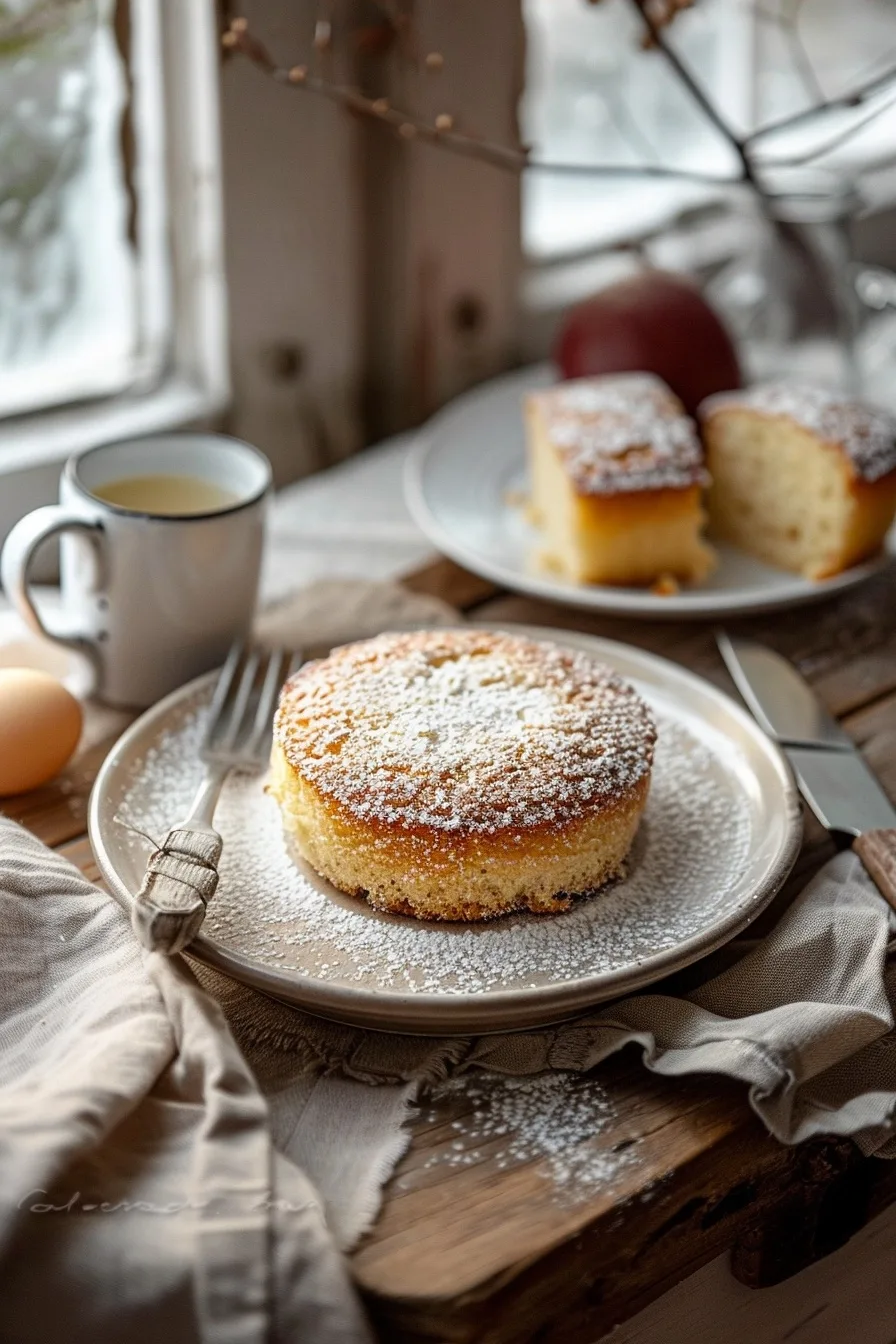
The Cozy 1 Min Single Serving Vanilla Mug Cake Recipe delivers a warm, comforting, and perfectly portioned sweet treat in about sixty seconds. This quick dessert is ideal for satisfying immediate cravings with minimal effort and cleanup required. It’s a fundamental recipe for any home baker facing a sweet tooth emergency.
Why This Recipe Works
As a food scientist and chef, I appreciate the elegant simplicity of this mug cake. The magic lies in the rapid cooking environment of the microwave, which relies on dielectric heating to excite water molecules within the batter. This process cooks the cake incredibly quickly, transforming a few basic pantry staples into a tender, moist crumb. Proper ingredient ratios are crucial here, especially the leavening agent – baking powder – which reacts with moisture and heat to produce carbon dioxide gas. This gas creates the desirable airy texture, preventing a dense, gummy result often seen in rushed microwave baking attempts.
The choice of fat, in this case, oil, also plays a significant role in mug cake success. Oil is a liquid fat at room temperature, meaning it remains dispersed throughout the batter, coating the flour proteins and starch granules. This coating inhibits excessive gluten development and starch gelatinization during the brief cooking time, ensuring a tender crumb. Milk contributes moisture and acts as a solvent for sugar and salt, while also providing a medium for the gluten network to form. The precise quantity of flour guarantees enough structure without making the cake tough.
Finally, the short microwave duration, precisely timed, is key to preventing overcooking. Microwaves penetrate and heat the batter unevenly, but a 60-second blast, followed by a brief rest, allows the cake to finish cooking through residual heat. This controlled heat application prevents the exterior from becoming rubbery before the interior is set, yielding that craveable, freshly baked texture. The small, single serving size also means the batter is thin enough to cook through rapidly and evenly.
Ingredients
| Ingredient | Quantity | Notes |
|---|---|---|
| All-purpose flour | 3 tablespoons (approx. 25g) | Standard flour for structure. If using a gluten-free blend, ensure it contains a binder like xanthan gum. |
| Granulated sugar | 1 tablespoon (approx. 12.5g) | Provides sweetness and moisture retention. Brown sugar can add a caramel note. |
| Baking powder | 1/4 teaspoon (approx. 1g) | Essential for leavening. Ensure it’s fresh for optimal rise. |
| Milk | 2 tablespoons (approx. 30ml) | Any milk works: dairy, almond, soy, or oat. Adjust slightly for batter consistency. |
| Vegetable oil | 1 teaspoon (approx. 5ml) | Neutral tasting oil like canola, grapeseed, or sunflower. Melted butter can be substituted. |
| Vanilla extract | 1/4 teaspoon (approx. 1ml) | For classic vanilla flavor. Ensure it’s pure vanilla extract. |
| Pinch of salt | Pinch (optional) | Enhances overall flavor profile and balances sweetness. |
Step-by-Step Instructions
Prep and Mixing
-
Select a microwave-safe mug that holds at least 10-12 ounces. Ensure it has straight sides for even cooking.
-
Add the flour, sugar, baking powder, and optional salt directly into the mug.
-
Whisk these dry ingredients together using a fork, ensuring no clumps remain, especially for the baking powder.
-
Pour the milk into the mug with the dry ingredients.
-
Add the oil and vanilla extract to the mug.
-
Stir everything vigorously with the fork until a smooth batter forms, scraping the bottom and sides of the mug. Make sure no dry pockets of flour persist.
Microwaving
-
Place the mug in the center of your microwave turntable or on the microwave floor.
-
Microwave on high power for exactly 60 seconds. Cooking times can vary slightly based on microwave wattage; start with 60 seconds.
-
Carefully remove the hot mug from the microwave using oven mitts or a towel.
-
Let the mug cake rest for 1-2 minutes before consuming or adding toppings. This allows the internal structure to fully set.
Chef Tips for Perfect Results
-
Accurate Measurement: Use measuring spoons and cups precisely. Too much or too little flour or leavening agent will drastically alter the texture. For baking, volume measurements of flour can be unreliable; spooning flour into the cup and leveling is recommended.
-
Mug Selection: A standard 10-12 ounce ceramic mug is ideal. Avoid very narrow or very wide mugs, as they can lead to uneven cooking. Ensure it’s microwave-safe.
-
Oven Mitts are Essential: The mug will become very hot during and after microwaving. Always use oven mitts or a thick cloth to remove it from the microwave.
-
Know Your Microwave: Microwave wattages vary. A 1000-watt microwave may cook faster than a 700-watt one. Adjust initial cooking time by ±10 seconds as needed, monitoring closely.
-
Don’t Overmix: Once the wet and dry ingredients are combined, mix only until smooth. Overmixing develops gluten, leading to a tougher cake.
-
Check for Doneness: The cake should look set on top, with no wet batter visible. A toothpick inserted into the center should come out mostly clean, perhaps with a few moist crumbs.
Common Mistakes to Avoid
-
Overcooking: This is the most common error. Microwaving for too long results in a dry, rubbery cake. The internal temperature rises rapidly, and residual heat continues to cook the cake after removal. Start conservatively with time.
-
Undermixing: Leaving pockets of dry flour or un-dissolved sugar will create unpleasant textures and flavors. Ensure all ingredients are fully incorporated into a smooth batter before microwaving.
-
Using the Wrong Mug: Metal or mugs with metallic trim are dangerous in a microwave. Mugs that are too small can cause the batter to overflow, creating a mess and uneven cooking.
-
Baking Powder Inactivity: If your baking powder is old or has been exposed to moisture, it won’t produce adequate lift. Test it by adding a pinch to hot water – it should bubble vigorously.
-
Not Resting the Cake: Allowing the cake to rest for a minute or two after microwaving is crucial. This resting period allows the internal structure to stabilize and finish cooking through residual heat, preventing a gummy interior.
Variations and Substitutions
| Ingredient | Substitution | Impact on Flavor/Texture |
|---|---|---|
| Granulated sugar | Brown sugar (packed) | Adds a slight caramel, molasses flavor and a chewier texture. May require a tiny bit more liquid. |
| Vegetable oil | Melted unsalted butter | Contributes a richer, more buttery flavor. Ensure butter is fully melted and slightly cooled. |
| Milk | Any non-dairy milk (almond, soy, oat) | Minimal impact. Flavor may subtly change based on the milk used. Adjust consistency if necessary. |
| Vanilla extract | Almond extract or a pinch of cinnamon | Almond extract provides a nutty depth; cinnamon adds warmth. Use sparingly as extracts are potent. |
| Flour | All-purpose gluten-free baking blend (with xanthan gum) | Ensures structure for gluten-free diets. Texture may be slightly different, potentially denser. |
Serving Suggestions and Pairings
This single-serving vanilla mug cake is delightful on its own, but consider these upscale additions. A dollop of fresh whipped cream or a scoop of high-quality vanilla bean ice cream melts beautifully into the warm cake. For a slightly tart contrast, a small spoonful of raspberry or strawberry compote provides a burst of fruitiness. Dusting with a bit of powdered sugar offers a simple, elegant finish. If serving for a special occasion, consider a delicate chocolate drizzle made from melted dark chocolate. For a pairing, a chilled sparkling apple cider or a gourmet hot chocolate makes for a sophisticated, non-alcoholic beverage experience.
This cake is also a perfect end to a light lunch or a satisfying component of a dessert tasting. It pairs wonderfully with a crisp, chilled herbal tea infusion, such as peppermint or chamomile.
Storage and Reheating
| Method | Duration | Exact Technical Instructions |
|---|---|---|
| Room Temperature | Up to 2 hours | Best consumed immediately. If not eating right away, leave it in the mug. Cover loosely to prevent drying. Quality degrades significantly. |
| Refrigeration | 1-2 days | Transfer cake from mug into an airtight container or wrap tightly in plastic wrap. Refrigeration can dry out the cake. |
| Reheating (Stored Cake) | 10-20 seconds | Microwave the refrigerated cake on high power for 10-20 seconds, just until warmed through. Avoid over-heating to prevent toughness. |
Nutritional Information
Approximate values. Actual values may vary based on specific ingredients used and exact measurements.
| Nutrient | Amount per Serving |
|---|---|
| Calories | ~150-180 kcal |
| Protein | ~2-3g |
| Fat | ~5-7g |
| Carbohydrates | ~25-30g |
| Fiber | ~<1g |
| Sugar | ~15-20g |
| Sodium | ~50-100mg (varies by salt addition) |
Frequently Asked Questions
Can I substitute the flour with a gluten-free alternative?
Yes, a quality all-purpose gluten-free baking blend that contains xanthan gum will work. Ensure the blend is formulated for baking, as different types have varying absorption rates. You may notice a slight textural difference, potentially a bit more dense.
How do I know when the mug cake is done?
The cake should appear set and slightly puffed up on top, with no visible wet batter. A toothpick inserted into the center should come out mostly clean, possibly with a few moist crumbs clinging to it, indicating it’s perfectly cooked without being dry.
My cake turned out gummy, what went wrong?
A gummy texture usually results from overmixing the batter or undercooking. Ensure you mix only until just combined to avoid excessive gluten development, and always microwave for the recommended time or slightly less, allowing residual heat to finish the cooking process.
Can I make this ahead and freeze it?
While mug cakes are best fresh, you can bake them, let them cool completely, and then wrap them tightly. Store in an airtight container in the freezer for up to two weeks. Reheat gently in the microwave for about 15-30 seconds until warmed through.
Can I double this recipe for two servings?
Doubling the recipe and attempting to cook it in one larger mug or dish is not recommended. The cooking time and evenness would be compromised. It is best to prepare two separate mug cakes, microwaving them one at a time, to ensure optimal texture and doneness for each serving.
This Cozy 1 Min Single Serving Vanilla Mug Cake recipe is a culinary marvel of speed and satisfaction. It transforms simple pantry ingredients into a warm, tender, sweet delight in mere moments, perfect for any spontaneous craving. Imagine the comforting aroma filling your kitchen, followed by the satisfying melt of a perfectly moist vanilla cake on your tongue, a small, sweet victory achieved effortlessly. Embrace the convenience and pure, simple pleasure of this essential single-serving treat.
Explore more quick dessert recipes from America’s Test Kitchen.