
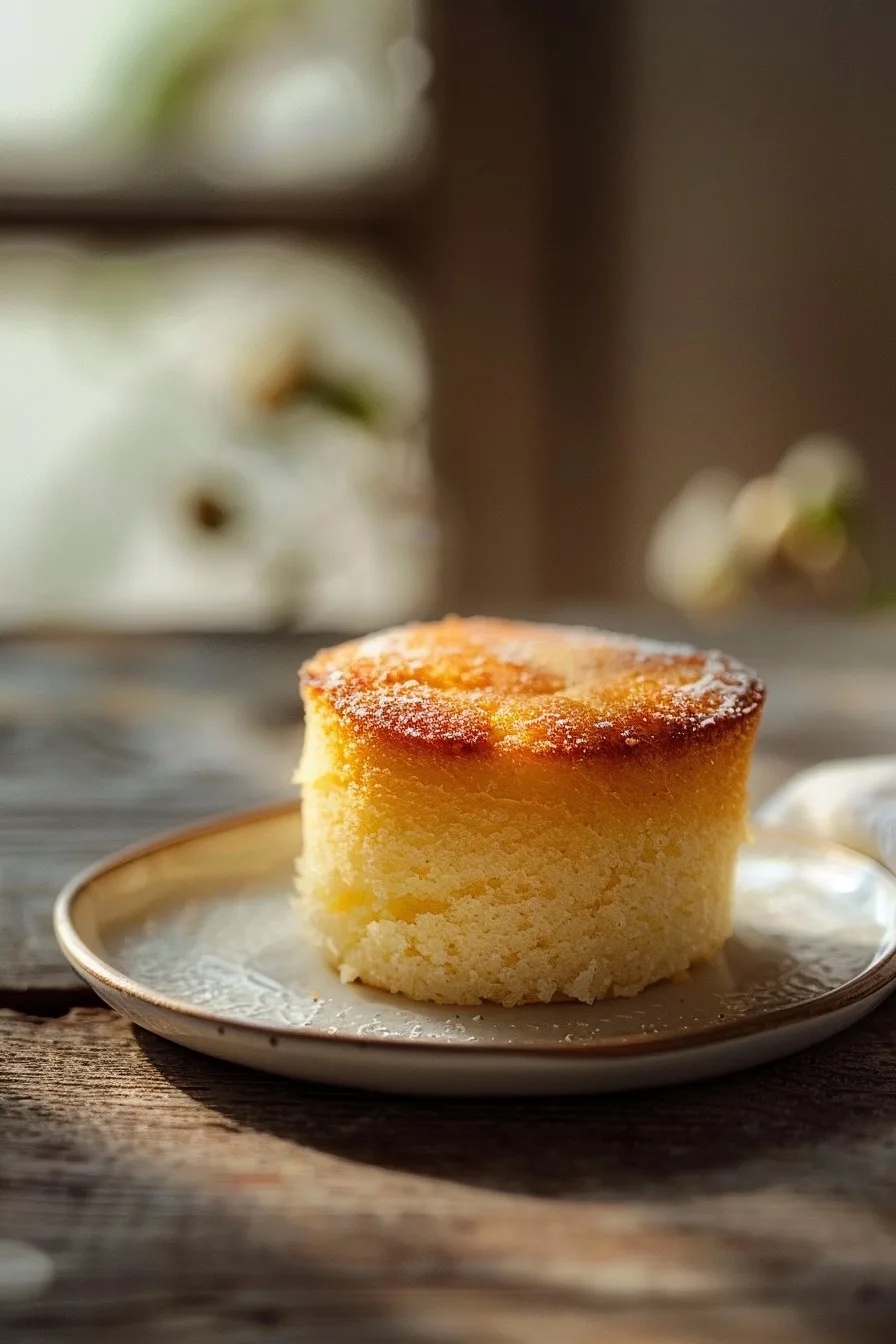
Single Serve White Velvet Mug Cake (Light & Fluffy) is a precise, microwaveable dessert designed for those who demand cafe-quality texture without the wait. By integrating acidic dairy with specific leavening ratios, this individual-portion cake achieves a tender, fine-crumb structure that mimics traditional oven-baked velvet cakes. It relies on rapid starch gelatinization and steam expansion to ensure an airy mouthfeel in under two minutes.
| Recipe Overview | |
| Metric | Details |
|---|---|
| Prep Time | 2 minutes |
| Cook Time | 70 seconds |
| Total Time | 4 minutes |
| Servings | 1 |
| Difficulty | Beginner |
| Cuisine | Modern American |
Why This Recipe Works
The science of this cake centers on the interaction between fat, moisture, and protein. Adding sour cream is the pivotal technical choice, as the acidity reacts with the baking powder to create immediate, powerful leavening. This acidity also helps tenderize the gluten strands in the all-purpose flour, ensuring the cake remains fluffy rather than chewy or tough.
Temperature management during the microwave process is another crucial factor. Because microwaves excite water molecules rather than relying on radiant air heat, this recipe uses a small, precise volume of liquid to create uniform internal steam. This steam expansion forces the batter to rise rapidly before the structure sets, preventing the dense, rubbery texture often associated with improvised microwave baking.
Finally, the concentration of vanilla and sugar is balanced to provide deep flavor without necessitating extra liquid volume. My method emphasizes whisking the batter just enough to homogenize the ingredients, which prevents the over-development of gluten. This logic follows standard laboratory protocols for baking, where controlled agitation consistently yields superior crumb stability.
Ingredients
| Required Ingredients | ||
| Ingredient | Quantity | Notes |
|---|---|---|
| All-Purpose Flour | 3 tbsp | Ensure precise leveling. |
| Granulated Sugar | 1 tbsp | Standard white cane sugar. |
| Baking Powder | 1/4 tsp | Check freshness for rise. |
| Whole Milk | 2 tbsp | Provides fats for tenderness. |
| Sour Cream | 1 tsp | Adds acidity and velvety texture. |
| Vanilla Extract | 1/4 tsp | Choose alcohol-free variety. |
Step-by-Step Instructions
Preparation and Mixing
-
Select a microwave-safe mug with at least an 8-ounce capacity to allow for vertical expansion during the heating cycle.
-
Add the flour, sugar, and baking powder to the mug, using a small whisk or fork to break up any clumps and aerate the dry mixture.
-
Incorporate the milk, sour cream, and vanilla extract directly into the mug.
-
Stir the batter thoroughly until the mixture reaches a smooth, consistent viscosity, ensuring no dry pockets remain at the bottom corners of the container.
Baking
-
Place the mug on the outer edge of the microwave turntable to ensure even energy distribution during heating.
-
Microwave the batter on high power for 60 to 70 seconds.
-
Monitor the cake through the glass; it should rise significantly and look set on the top while appearing slightly springy to a gentle touch.
-
Allow the cake to rest inside the microwave for 30 seconds after the cycle ends to allow the structure to stabilize through residual steam dissipation.
Chef Tips for Perfect Results
-
Always use room-temperature milk and sour cream to ensure the fat emulsifies quickly with the sugars.
-
Measure the flour by spooning it into the measuring spoon and leveling with a flat edge to avoid packing.
-
If your microwave has low wattage, add 10 seconds of time, but watch the crumb texture closely to prevent moisture loss.
-
Use a ceramic mug rather than plastic to maintain consistent heat mass during the short baking period.
-
Consider the height of the mug; a taller vessel encourages vertical rise which results in a ‘fluffier’ cake structure.
Common Mistakes to Avoid
-
Over-mixing the batter develops excess gluten strands, which will make the final crumb tough and rubbery rather than tender.
-
Using incorrect leavening ratios lead to a collapsed structure, so ensure the 1/4 tsp of baking powder is precisely measured.
-
Neglecting the resting period prevents the center from finishing its structural set, often resulting in a gummy or dense core.
-
Substitutions like low-fat milk can diminish the richness; stick to whole milk for the best mouthfeel.
Variations and Substitutions
| Ingredient | Substitution | Impact on Texture/Flavor |
|---|---|---|
| Sour Cream | Greek Yogurt | Slightly tangier and higher protein density. |
| Whole Milk | Heavy Cream | Increased richness and significantly softer crumb. |
| Vanilla Extract | Almond Extract | Deepened nutty aroma without altering cake chemistry. |
Serving Suggestions and Pairings
This cake is best enjoyed warm, ideally topped with a light dusting of powdered sugar or a dollop of fresh, sugar-free fruit compote. Pair this dessert with a hot cup of black coffee or an herbal tea to contrast the sweetness. For a refined evening treat, serve alongside a glass of chilled, cold-pressed berry juice.
Storage and Reheating
| Method | Duration | Instructions |
|---|---|---|
| Room Temp | Immediate consumption | Not recommended for storage. |
| Refrigerated | 24 hours | Cover with plastic wrap; reheat for 15 seconds. |
Nutritional Information
| Nutrient | Amount (Approximate) |
|---|---|
| Calories | 185 kcal |
| Protein | 3g |
| Fat | 5g |
| Carbohydrates | 32g |
Frequently Asked Questions
Can I make this dairy-free?
Yes, you can substitute the milk and sour cream with plant-based alternatives like soy yogurt and almond milk. Use high-fat versions to maintain the required structural moisture.
How do I know the cake is fully cooked?
The cake is done when the surface appears matte-dry and springs back when pressed gently with a fingertip. An internal temperature check with a digital probe should read between 190°F and 200°F.
Can I freeze the batter for later?
Freezing pre-mixed batter is not recommended as the baking powder activation is time-sensitive. Always mix the ingredients immediately before you plan to microwave the cake.
Why did the cake rise and then collapse?
A collapse indicates that the cake was cooked too long or the leavening was not balanced. Ensure your baking powder is not expired and limit the microwave time to 70 seconds maximum.
Can I add mix-ins like chocolate chips?
You can add half a tablespoon of mini chocolate chips to the batter before cooking. Ensure they are distributed evenly so they do not cause uneven steam pockets during the heating phase.
Mastering this single-serve recipe provides a reliable gateway to quick, high-quality baking. By respecting the balance of acidity and heat, you ensure a perfectly moist result every time. Enjoy the process of creating this delicate, white velvet sponge, knowing that you have optimized every step for a superior culinary texture.