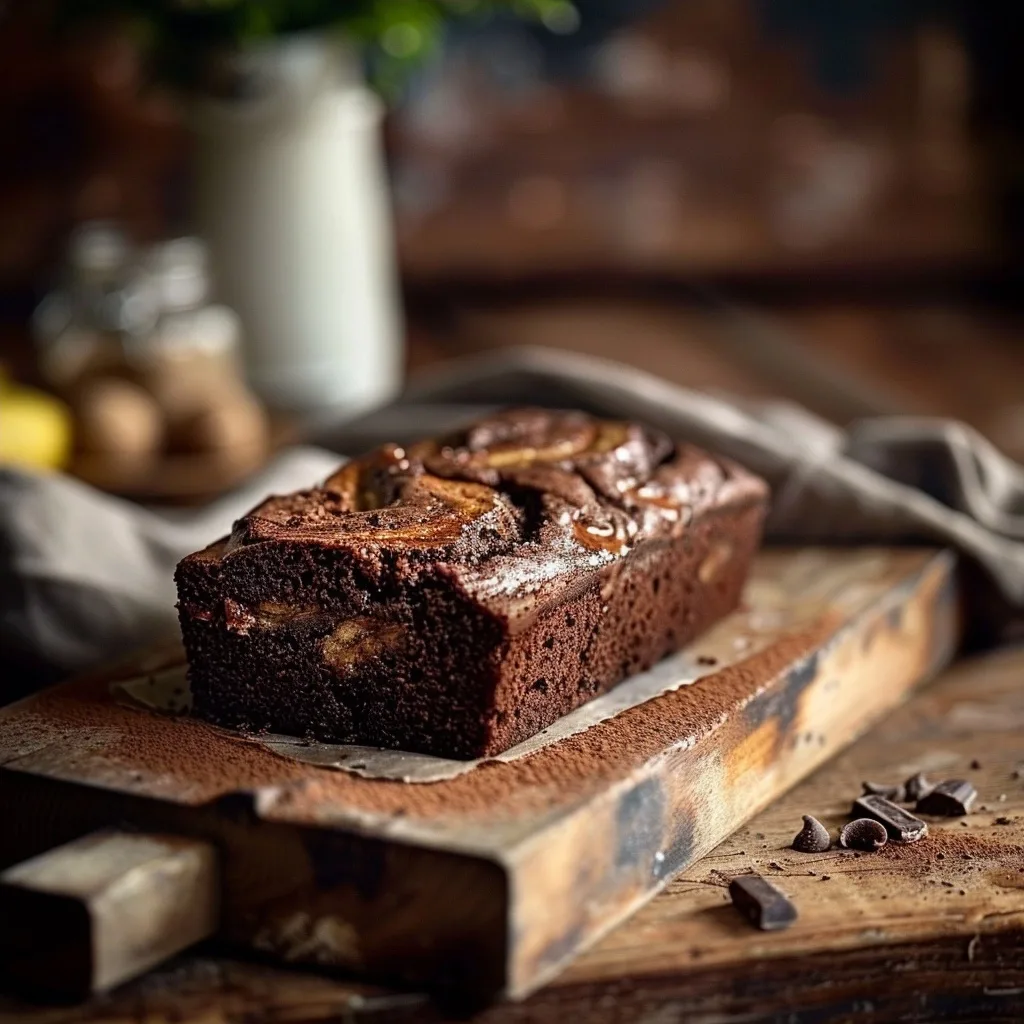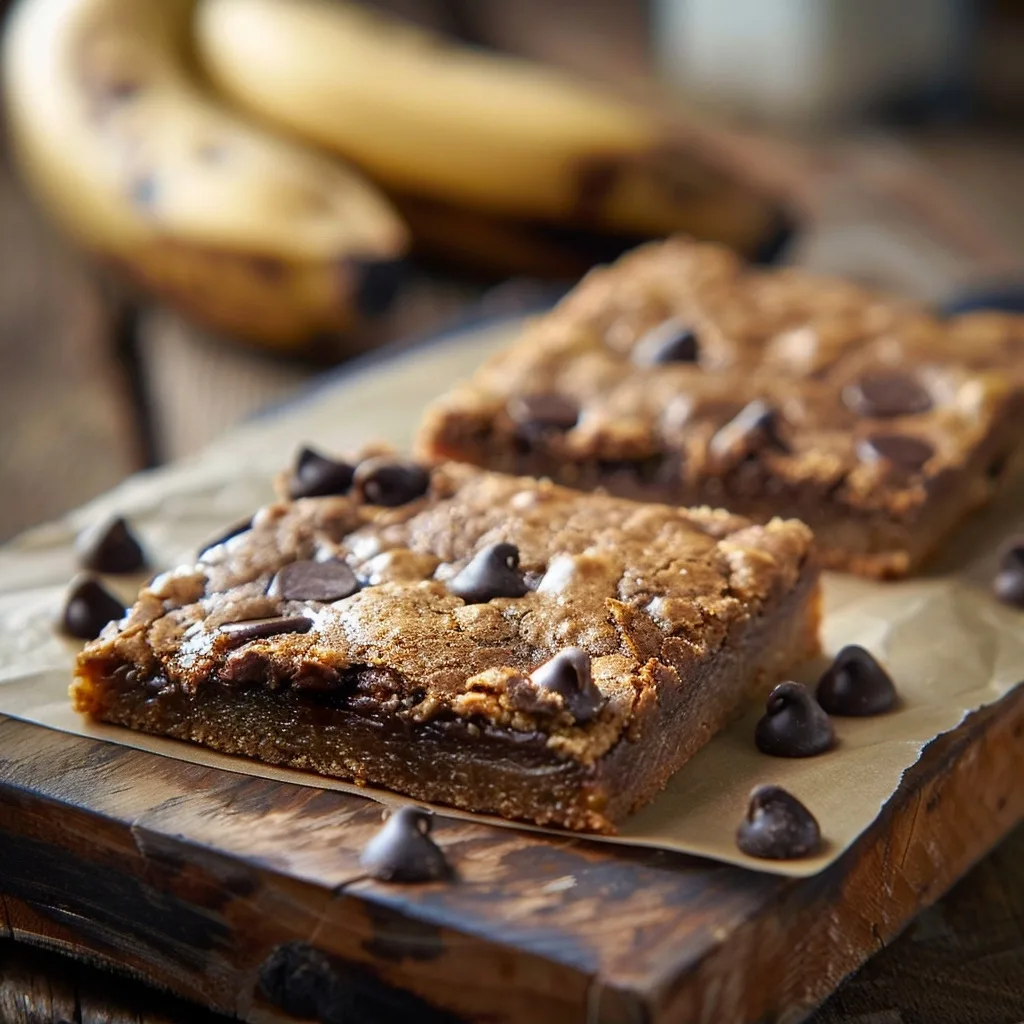

This low carb keto birthday mug cake is a perfectly portioned, sugar-free treat that satisfies sweet cravings instantly with minimal effort. It delivers all the decadent celebratory flavors of a traditional birthday cake in a single-serving microwaveable delight, ideal for keto and low-carbohydrate lifestyles.
This single-serving wonder is a culinary miracle for anyone embracing a ketogenic or low-carb lifestyle, especially during celebrations. It’s proof that you can enjoy rich, satisfying dessert without derailing your healthy eating goals. Forget complicated baking, we’re talking about pure, unadulterated joy achieved in minutes.
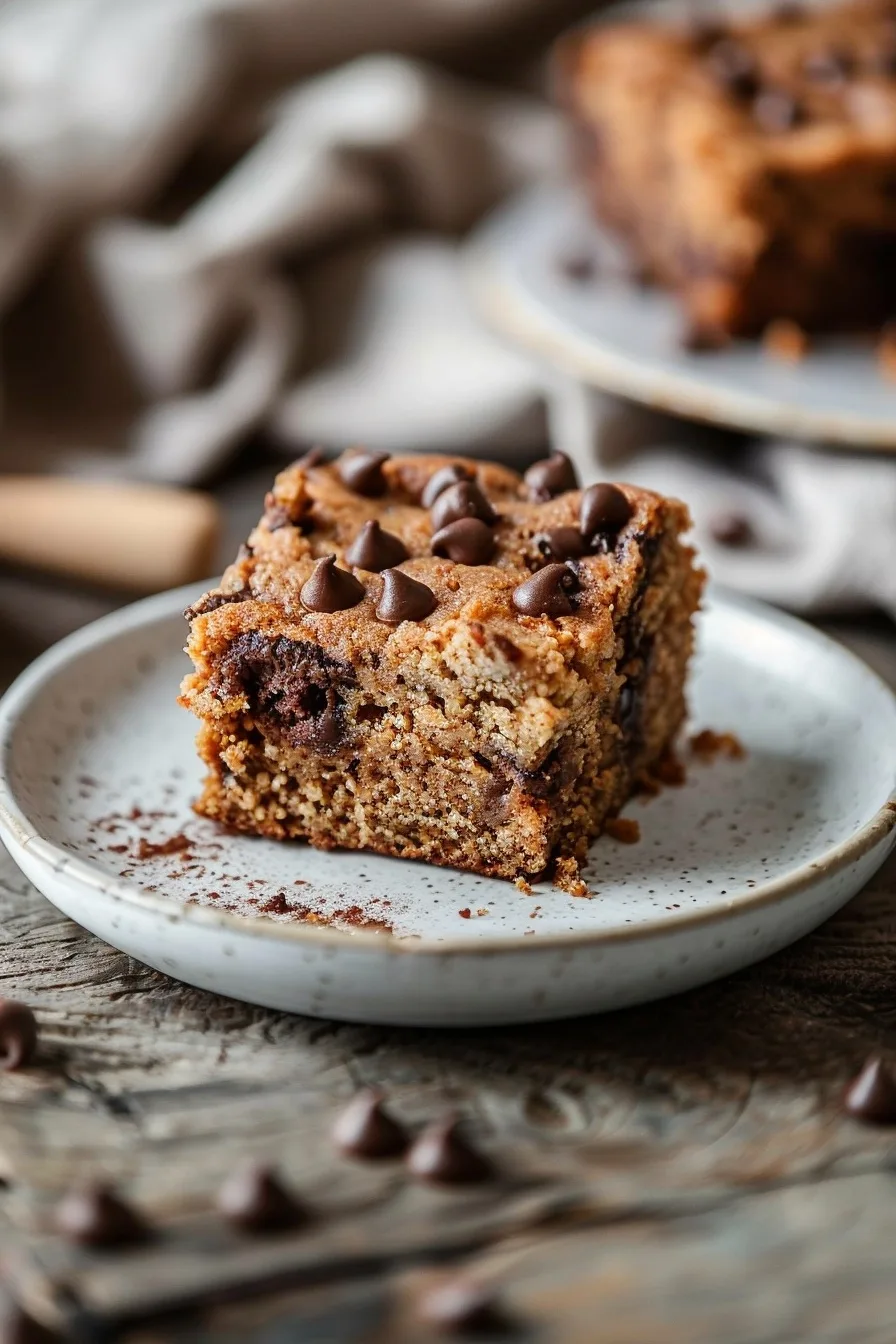
Recipe Overview
| Prep Time | 2 minutes |
| Cook Time | 1 minute |
| Total Time | 3 minutes |
| Servings | 1 |
| Difficulty | Beginner |
| Cuisine | American |
Why This Recipe Works
The magic of this mug cake lies in its simplicity and the science of quick microwave cooking. Microwaves excite water molecules within the batter, creating steam that rapidly cooks the cake from the inside out. This process requires very little leavening, as the accelerated cooking time provides the lift. I’ve found that the high fat content from the almond flour and egg yolk helps create a tender crumb, preventing the common dryness often associated with keto baking. The structure is maintained by the protein in the egg, which denatures and sets quickly under microwave heat.
For a sugar-free sweetener, erythritol is my go-to. It provides sweetness without spiking blood sugar, and its crystalline structure mimics granulated sugar’s mouthfeel reasonably well. Crucially, erythritol doesn’t caramelize or brown like traditional sugars, so we rely solely on the batter’s inherent flavors and the quick cooking to achieve a palatable texture. The baking powder’s role here is twofold: it provides a slight leavening boost, creating air pockets for a lighter texture, and the heat triggers a chemical reaction that releases carbon dioxide, further aiding the rise and preventing a dense, heavy result.
The ratio of dry to wet ingredients is critical in mug cakes. Too much liquid and you get a gummy, undercooked mess; too little and it becomes tough and crumbly. Almond flour, when used appropriately, absorbs moisture differently than wheat flour, contributing to a delicate texture that doesn’t become rubbery. The vanilla extract is not just for flavor; it helps to amplify other sweet notes and adds a layer of complexity that rounds out the taste profile. This precise balance ensures each bite is moist, tender, and deeply satisfying, making it the perfect quick dessert.
Ingredients
| Ingredient | Quantity | Notes |
|---|---|---|
| Almond Flour | 2 tablespoons (approx. 16g) | Finely ground is best for texture. Blanched almond flour provides a lighter color and finer crumb. |
| Erythritol | 1 tablespoon (approx. 12g) | A granular, sugar-free sweetener. Can be substituted with a monk fruit/erythritol blend or allulose. Adjust to taste. |
| Egg | 1 large (approx. 50g) | Provides structure, moisture, and richness. Ensure it’s at room temperature for better incorporation. |
| Vanilla Extract | 1/2 teaspoon | Pure vanilla extract for the best flavor. |
| Baking Powder | 1/4 teaspoon | Aluminum-free is preferred. Use fresh baking powder for optimal lift. |
Step-by-Step Instructions
Prep
- Select a microwave-safe mug that holds at least 10-12 ounces (approx. 300-350ml). A standard coffee mug works perfectly.
- Ensure your mug is clean and dry before beginning the preparation process.
Mixing
- Add the almond flour to the mug.
- Add the erythritol to the mug with the almond flour.
- Add the baking powder to the dry ingredients in the mug.
- Whisk the dry ingredients together directly in the mug using a small fork or mini whisk until well combined. This ensures even distribution of the leavening agent and sweetener.
- Crack the large egg directly into the mug with the dry ingredients.
- Add the vanilla extract to the mug.
- Whisk everything vigorously until the batter is smooth, homogenous, and free of lumps. Ensure you scrape the sides and bottom of the mug to incorporate all ingredients fully. The consistency should be similar to a thick pancake batter.
Microwaving
- Place the mug in the center of your microwave.
- Microwave on high power for exactly 60 seconds. Cooking times can vary based on microwave wattage; start with 60 seconds and adjust as needed.
- Carefully remove the hot mug from the microwave using oven mitts or a towel. The cake should have risen and appear set.
Finishing
- Allow the mug cake to cool for 1-2 minutes before consuming. It will be extremely hot directly from the microwave.
- Serve immediately for the best texture and warmth.
Chef Tips for Perfect Results
- Measure Accurately: Use measuring spoons for dry ingredients and liquid ingredients separately to ensure the correct batter consistency. Incorrect ratios are the primary cause of texture failures.
- Room Temperature Egg: Using an egg at room temperature helps it emulsify better with the other ingredients, leading to a smoother, more uniformly cooked cake.
- Mug Size Matters: A mug that is too small can cause the batter to overflow during microwaving, creating a mess and potentially resulting in an unevenly cooked cake. Aim for a vessel that allows the batter to fill no more than half to two-thirds of its volume.
- Microwave Wattage: Standard microwaves range from 700 to 1200 watts. Adjust cooking time by +/- 10-15 seconds based on your microwave’s power. It’s better to slightly undercook and add a few seconds than to overcook, which leads to a dry, rubbery texture.
- Doneness Test: The cake should spring back lightly when touched and the edges should start to pull away slightly from the sides of the mug when it is done. A toothpick inserted into the center should come out mostly clean, with perhaps a few moist crumbs attached.
Common Mistakes to Avoid
- Overmixing the Batter: Overdeveloping the gluten in such a small batter can make the cake tough. Mix only until just combined to maintain a tender crumb.
- Under/Overcooking: Microwaves vary greatly. Overcooking results in a dry, rubbery cake because the moisture evaporates too quickly. Undercooking leaves a gummy, raw center, as the proteins haven’t fully set. My advice is to err on the side of undercooking by a few seconds and check if more time is needed.
- Using a Metal Mug: Never microwave metal. Always ensure your mug is specifically labeled as microwave-safe. This is a crucial safety precaution.
- Not Scraping the Mug Sides: Undermixed batter pockets, especially those containing dry ingredients or baking powder, can lead to uneven cooking and unpleasant textures in the final cake. Ensure all ingredients are thoroughly incorporated.
- Incorrect Sweetener Amount: Too much erythritol can create a cooling sensation and a slightly gritty texture. Too little will result in a cake that lacks sweetness. Adjust to your personal preference based on the sweetness scale of your chosen sweetener.
Variations and Substitutions
| Ingredient | Substitution | Impact on Flavor/Texture |
|---|---|---|
| Almond Flour | Coconut Flour (1 tbsp) | Coconut flour is much more absorbent. The texture will be denser and slightly drier; may require a tiny bit more liquid (e.g., 1 tsp water or unsweetened almond milk) if consistency is too thick. Flavor becomes subtly coconutty. |
| Erythritol | Stevia/Monk Fruit Blend, Allulose | Stevia/Monk fruit blends can be more potent; adjust to taste. Allulose provides a texture similar to sugar but with less sweetness. Erythritol provides a pleasant mouthfeel without aftertaste for most. |
| Egg | Flax Egg (1 tbsp flax meal + 3 tbsp water, let sit 5 mins) | Creates a slightly chewier, denser texture. May reduce the cake’s rise slightly. Ensure the flax egg is well-combined. |
| Vanilla Extract | Almond Extract, or ½ tsp Lemon Zest | Almond extract adds a nuttier depth. Lemon zest provides a bright, citrusy counterpoint. Use extracts sparingly as they are potent. |
| (Optional Addition) | 1 tsp sugar-free chocolate chips, 1 tsp chopped nuts, pinch of cinnamon | Adds texture and flavor complexity. Ensure chocolate chips are keto-friendly. Nuts can add a slight crunch. Cinnamon adds warmth. |
Serving Suggestions and Pairings
For an extra special treat, consider a dollop of whipped heavy cream (sweetened with a touch of keto-friendly sweetener) or a few fresh berries like raspberries or blueberries. A sprinkle of unsweetened shredded coconut can also add a delightful textural contrast. For a beverage pairing, a steaming cup of black coffee, an unsweetened herbal tea, or a sparkling water with a twist of lime creates a refreshing, palate-cleansing accompaniment that complements the cake’s sweetness without adding extra carbs.
Storage and Reheating
| Method | Duration | Exact Technical Instructions |
|---|---|---|
| Room Temperature | Best within a few hours | Mug cakes are best enjoyed immediately after preparation. If left out, the texture can degrade rapidly. |
| Refrigeration | Up to 1 day | Allow the cake to cool completely. Cover the mug tightly with plastic wrap or use a small airtight container. The texture may become slightly more dense or chewy upon refrigeration. |
| Reheating | ~10-20 seconds | Warm gently in the microwave for 10-20 seconds on low power until just heated through. Avoid overheating, which will quickly dry out the cake. |
Nutritional Information
| Nutrient | Amount per Serving (Approximate) |
|---|---|
| Calories | ~170-200 kcal |
| Protein | ~7-9 g |
| Fat | ~13-16 g |
| Total Carbohydrates | ~6-8 g |
| Dietary Fiber | ~2-3 g |
| Net Carbohydrates | ~4-5 g |
| Sugar | ~0-1 g |
| Sodium | ~100-120 mg |
Nutritional values are estimates and can vary based on specific ingredients used. Net carbohydrates are calculated as Total Carbohydrates minus Fiber. For precise information, it’s recommended to calculate using your specific ingredients and a nutritional analysis tool. Visit the USDA FoodData Central for detailed ingredient information.
Frequently Asked Questions
Can I use a different flour?
While almond flour is ideal for texture and keto compatibility, you can experiment with coconut flour. Be aware that coconut flour is highly absorbent and requires different liquid ratios, often leading to a denser cake. Other flours may not be suitable for keto or mug cake preparation.
How do I know when it is done?
The cake should appear set and lightly spring back when gently touched. The edges might begin to pull away from the mug. A toothpick inserted into the center should come out with moist crumbs attached, not wet batter. If it’s still wet, microwave in 10-second increments.
My cake is gummy or rubbery, what did I do wrong?
This typically results from overcooking, which dries out the delicate keto batter, or from too much liquid in the batter. Ensure you are microwaving for the exact time recommended and check your ingredient measurements carefully. Always err on the side of undercooking slightly.
Can I make this ahead and freeze it?
Mug cakes are best when fresh due to their delicate texture. While you can refrigerate them for up to a day, freezing is not recommended as it significantly alters the texture upon thawing, often making it soggy or crumbly. Enjoying it within hours of preparation yields the best results.
How can I make it more like a traditional birthday cake?
To enhance the birthday cake experience, consider folding in a tablespoon of keto-friendly sprinkles or sugar-free chocolate chips into the batter before microwaving. You can also frost it with a simple sugar-free cream cheese frosting or a whipped heavy cream topping once cooled.
Conclusion
This Low Carb Keto Birthday Mug Cake is a culinary triumph, offering instant gratification for sweet desires. Its tender crumb and rich flavor profile make it an indispensable treat for any keto enthusiast celebrating special moments. Enjoy the pure, unadulterated pleasure of a warm, decadent cake made in mere minutes, perfectly tailored to your low-carbohydrate journey. The aroma alone, a sweet vanilla essence with a hint of warm almond, promises a delightful indulgence.