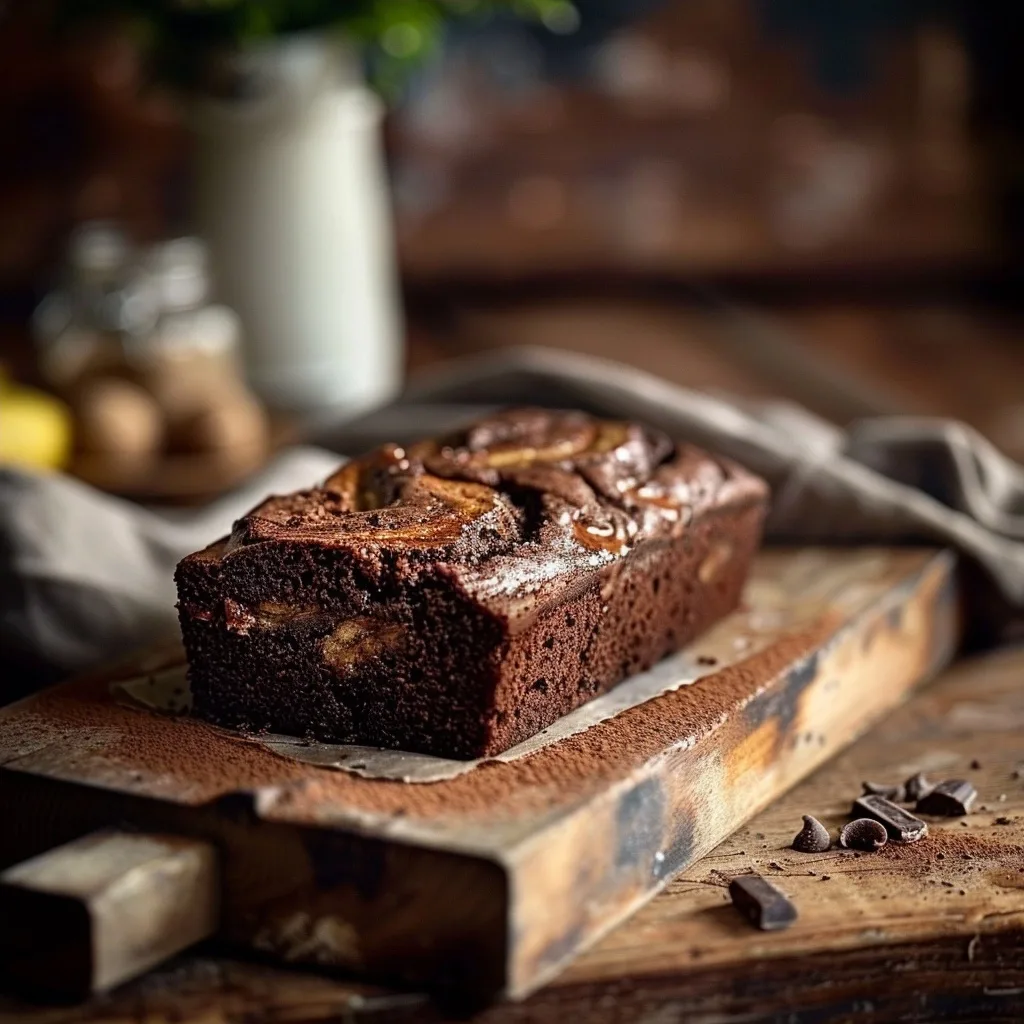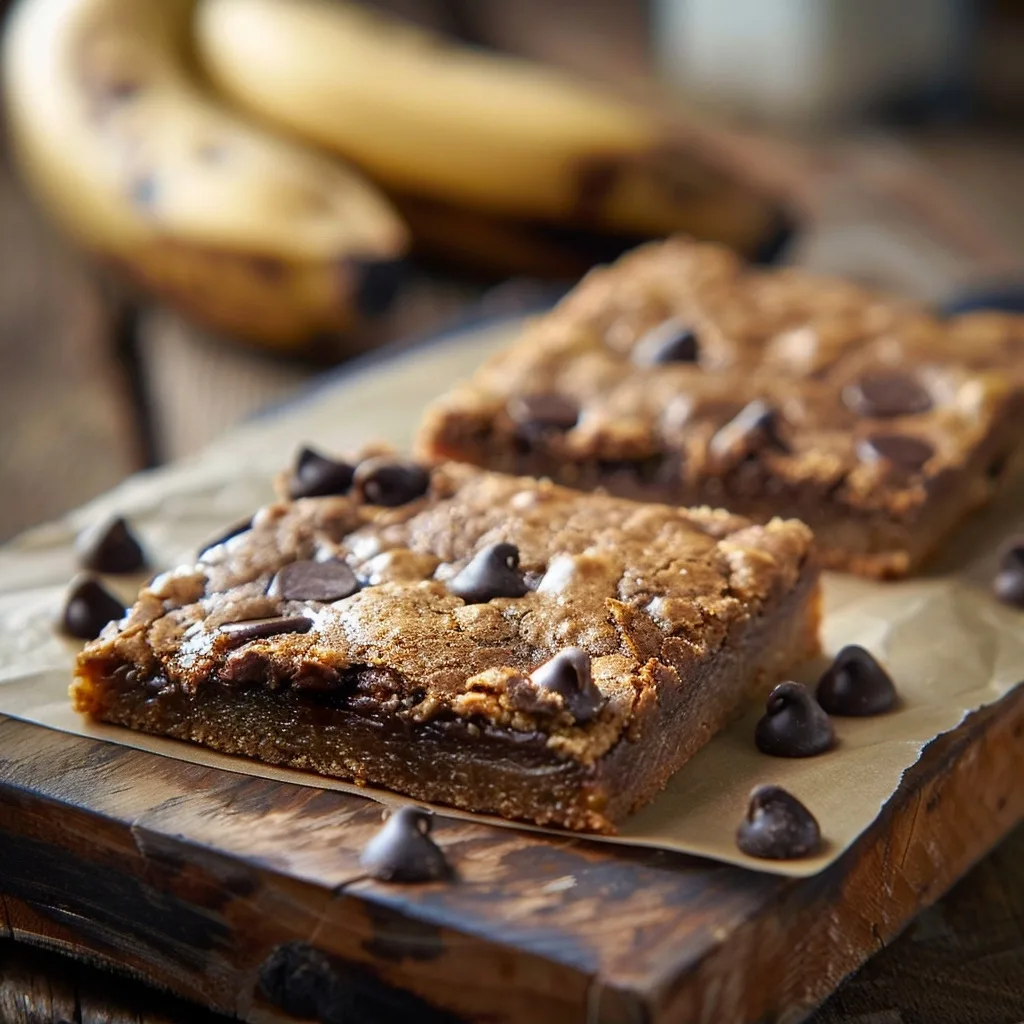

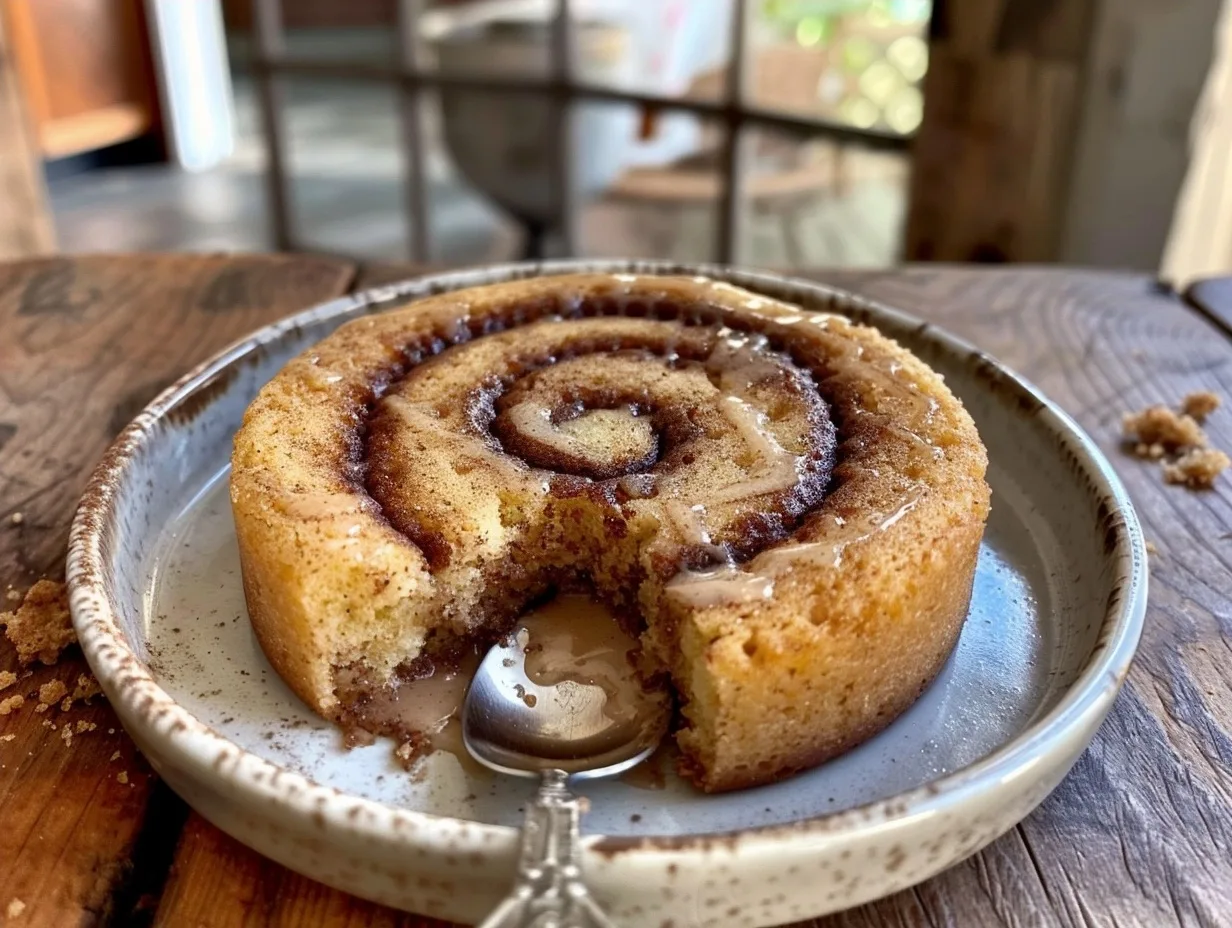
Indulge in a single-serve vanilla mug cake made in three minutes using pantry-friendly ingredients. This microwavable dessert leverages precise ratios and moisture retention to deliver a tender, cake-like texture without floury dryness or over-cooked edges.
| Prep Time | 2 minutes |
|---|---|
| Cook Time | 1 minute |
| Total Time | 3 minutes |
| Servings | 1 |
| Difficulty | Very Easy |
| Cuisine | American |
Why This Recipe Works
As a chef who values both efficiency and culinary excellence, this mug cake excels because it harnesses the science of leavening and heat distribution in microwave ovens. Baking powder initiates a rapid chemical reaction when mixed with milk, producing carbon dioxide that creates air bubbles in the batter. These bubbles expand during microwaving, resulting in a lift similar to classic baking. Unlike conventional stovetops, microwaves cook via electromagnetic radiation, which directly heats water molecules in the ingredients. This method preserves moisture while ensuring swift cooking—critical for achieving the right balance of doneness between the center and outer edges.
The ingredient ratios are calibrated for 10-ounce mugs, which act as mini convection cells. Flour provides structure (3 tbsp creates a fine crumb without dryness), while sugar dissolves evenly due to the high-powered microwave’s instant heat. Milk not only adds liquid but stabilizes gluten development in flour, preventing toughness. Vanilla extract’s alcohol-free formulation releases aromatic compounds rapidly during microwaving, amplifying the flavor profile in this streamlined approach.
By avoiding over-mixing and sticking to 60-second cooking time, the recipe prevents gluten over-development and caramelization of sugar, which would harden the texture. The brief resting period post-cooking allows steam to redistribute, ensuring the center firms up gently and the top doesn’t collapse
Ingredients
| Ingredient | Quantity | Notes |
|---|---|---|
| All-Purpose Flour | 3 tablespoons | For gluten-free option, substitute with almond flour or a 1:1 gluten-free blend. |
| Granulated Sugar | 1 tablespoon | Use coconut sugar for a caramel note or swap with maple syrup (½ tbsp) for added moisture. |
| Vanilla Extract | ¼ teaspoon | Choose alcohol-free vanilla to ensure safe, clean flavor. USDA-approved versions are ideal for microwave baking. |
| Whole Milk | 2 tablespoons | Almond or oat milk work well. Avoid thick alternatives like cashew milk to maintain proper liquid volume. |
| Baking Powder | ¼ teaspoon | Double-acting baking powder ensures maximum lift during microwaving. University of Colorado Denver’s food science recommends this for optimal structure. |
Step-by-Step Instructions
Prep
-
Grease a 10-ounce microwave-safe mug with non-stick cooking spray or a single dot (1/8 tsp) of room-temperature butter to prevent sticking.
-
Sprinkle 3 tablespoons all-purpose flour into the mug, followed by 1 tablespoon sugar and ¼ teaspoon baking powder.
Mixing the Batter
-
Pour 2 tablespoons whole milk into the mug using a steady stream to activate gluten slightly and begin hydration of the flour.
-
Add ¼ teaspoon alcohol-free vanilla extract while pouring, which emulsifies into the batter through molecular agitation from the spoon.
-
Whisk ingredients vigorously for 15 seconds until no dry streaks remain, achieving a smooth pourable texture without over-developing gluten.
Cooking and Setting
-
Place the filled mug in the center of the microwave for even radiative heat distribution. Microwave on high (1100+ watts) for exactly 60 seconds.
-
Allow the mug cake to rest for 2 minutes. During this phase, residual heat completes cooking, and internal gases stabilize for proper structure.
-
Invert onto a plate, tap the mug bottom gently to release, then flip back to serve—ensuring the delicate crumb doesn’t tear from improper handling.
Chef Tips for Perfect Results
-
Stick to 1100+ watt ovens: Lower wattage settings prolong heat application, risking uneven cooking. Adjust time for ovens under 1100 watts by adding 5-10 seconds, but never overcook.
-
Use non-metallic mugs: Metal containers cause uneven heating patterns via capacitive coupling. Porcelain, glass, or high-quality plastic mugs yield consistent doneness.
-
Don’t skip the rest time: Steam trapped in the dense crumb will cause the center to gush when cut if not allowed to redistribute post-cooking.
-
Texture check: The top should dome but not brown. A toothpick inserted into the center should emerge slightly crumbly but not damp—this is optimal moisture balance in microwave baking.
-
For flaky topping: Sprinkle 1 tbsp crushed nuts over the batter pre-cook. Microwave for 1 minute 10 seconds to create a textured crust through moisture evaporation
Common Mistakes to Avoid
-
Using excessive flour: Adding more than 3 tbsp increases starch gelatinization beyond moisture capacity, resulting in a dry crumb. Fix by adding milk in incremental ½ tbsp doses if batter looks thick.
-
Overmixing the batter: Vigorous mixing beyond 15-20 seconds activates gluten too much, leading to a tough texture. Stir just until fully homogenized.
-
Wrong mug size: 10-ounce mugs ensure proper moisture-to-surface-ratio. Larger mugs require proportionate ingredient scaling; smaller mugs may burn edges during radiant heating
-
Substituting leavening agents: Baking soda needs acidic partners (citric acid, lemon juice) while baking powder contains both acid and base. Swap with puffing agent like inauguration (no substitution necessary) only when recipe is specifically formulated
Variations and Substitutions
| Ingredient | Substitution | Impact on Flavor/Texture |
|---|---|---|
| Whole Milk | Oat milk (unsweetened) | Creates slightly denser crumb due to oat milk’s starch content. Add ½ tsp baking powder to compensate for lift |
| All-Purpose Flour | Almond flour | Yields richer, moister crumb with nutty undertones. Reduce cooking time by 5-15 seconds to prevent over-browning |
| Granulated Sugar | Coconut sugar | Implies caramel notes and faster browning. Monitor cooking time carefully to avoid scorched surface |
| Vanilla Extract | Citrus zest (orange or lemon) | Exchanges classic vanilla for bright, floral notes. Add ¼ tsp almond meal for binding if reducing liquid content |
Serving Suggestions and Pairings
Elevate this dessert with a dollop of whipped coconut cream or a topping of fresh berries. Pair with a spiced chai tea (without alcohol) for warming contrasts or a cold brew coffee with cinnamon foam using the stabilized coffee concentrate technique from specialty roasters.
Storage and Reheating
| Method | Duration | Exact Instructions |
|---|---|---|
| Cool and refrigerate | Up to 1 day | Let cake cool completely. Store in an airtight container with parchment paper between mugs if stacking for freshness. |
| Frozen storage | 1 month | Wrap completely in moisture-proof plastic. Reheat for 30 seconds at 60% power to avoid condensation shock. |
| Room temperature | Immediate serving | Best when consumed within 15 minutes of cooking to preserve tender crumb and moistness |
Nutritional Information
| Nutrient | Amount per Serving |
|---|---|
| Calories | 175 |
| Protein | 4g (1/3 cup Greek yogurt boost: 11g) |
| Fat | 5g |
| Carbohydrates | 26g |
| Fiber | 1g |
| Sugar | 12g (from milk + added; substitute with monk fruit for zero added sugar) |
| Sodium | 200mg |
Frequently Asked Questions
Can I use almond milk instead of whole milk?
Yes, unsweetened almond milk works well as long as the fat content exceeds 2%. Thinner varieties like rice milk require an additional half-tablespoon of flour to stabilize the crumb structure, which would adjust the 60-second cook time down to 50 seconds for proper doneness
Will the cake collapse if I cut it too soon?
Absolutely—remove it while still warm and let rest for 2 minutes. The trapped steam needs time to solidify the crumb matrix; cutting prematurely releases pressure and causes structural collapse from uneven gas distribution.
How can I add flavor without alcohol-based extracts?
Use high-quality alcohol-free vanilla extract or enhance with cinnamon (¼ tsp), cocoa powder (1 tbsp), or lemon zest (½ tsp). These substitutions work via Maillard reaction synergies and volatile compound retention in microwave baking, avoiding the alcohol’s flavor distortion common in many alternatives.
Is this recipe suitable for freezing and thawing?
No. The delicate crumb loses moisture when thawed. Instead, prepare and freeze the dry ingredients in 3-tbsp portions. Add liquids at time of cooking for optimal texture. When reheating frozen version, microwave for 40-45 seconds
Can this recipe be scaled for multiple servings?
Scale ingredients proportionally but avoid baking in the same mug size. Use 12-ounce mugs for single-serving increase, adding ½ tbsp of milk and another ¼ tsp baking powder per 0.5 additional serving. Adjust cook time by no more than 15 seconds per increment to maintain moisture balance
Chef’s Final Verdict
With its precise ingredient ratios and understanding of microwave heat dynamics, this single-serve vanilla mug cake represents modernist simplicity. The tender, custard-like center emerges perfectly with that fresh-baked aroma of vanilla and lightly toasted flour, proving that pantry staples and scientific cooking principles can create gourmet experiences with minimal effort
“`json { “category”: “Dessert