
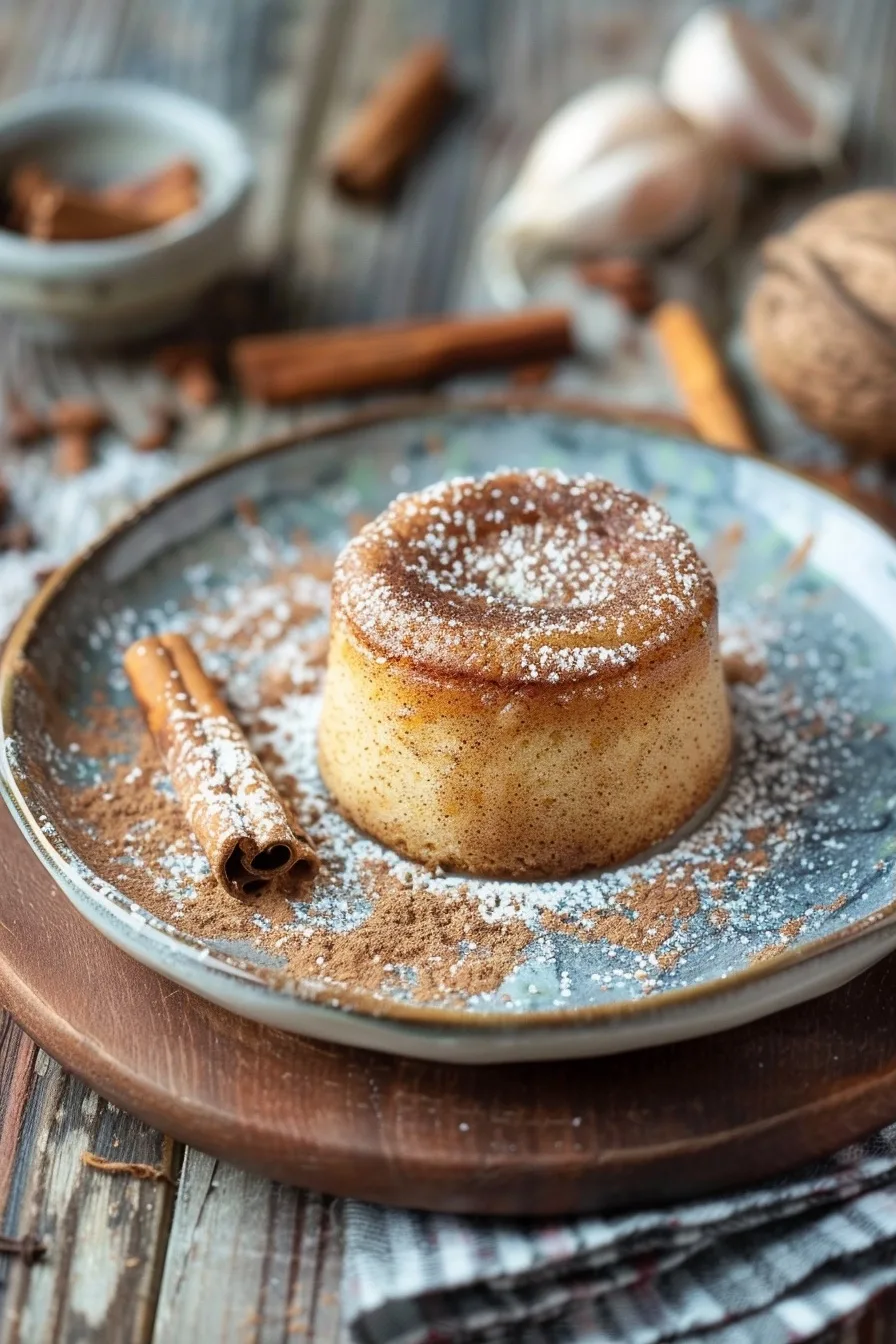
1 Minute Microwave Snickerdoodle Mug Cake provides an instant individual portion of tender, spiced cake featuring classic cinnamon-sugar warmth. This recipe utilizes standard pantry staples and rapid thermal energy to simulate the texture of a traditional oven-baked confection in under sixty seconds. Professional bakers appreciate this method for its reliable conversion of basic dry and wet ingredients into a chemically aerated, moist dessert perfectly suited for spontaneous cravings.
| Detail | Data |
|---|---|
| Prep Time | 2 minutes |
| Cook Time | 1 minute |
| Total Time | 3 minutes |
| Servings | 1 |
| Difficulty | Easy |
| Cuisine | American |
Why This Recipe Works
The science of a mug cake relies on the rapid expansion of air bubbles created by the chemical reaction between baking powder and liquid under intense microwave radiation. Unlike a convection oven, which heats air to conduct heat into the batter, a microwave excites water molecules within the mix, generating internal heat that sets the structure immediately. This prevents the cake from collapsing, provided the ratio of starch to fat remains balanced to support the crumb.
My method focuses on the importance of the fat-to-flour ratio to ensure the cake does not turn gummy or rubbery. By adding precisely one teaspoon of oil, I coat the flour proteins, preventing excessive gluten development. This creates a tender, sponge-like crumb rather than a dense, doughy mass often associated with inferior microwave recipes. The cinnamon sugar topping isn’t cosmetic; it provides a necessary textural contrast to the soft interior.
Temperature regulation is largely handled by your microwave’s intensity. Since every residential microwave varies in power output, the one-minute timing serves as an anchor. I emphasize that the structure relies on the baking powder’s release of carbon dioxide before the batter sets. Stirring only until the ingredients are incorporated prevents over-mixing, which leads to tough protein strands that inhibit a light, fluffy rise.
Ingredients
| Ingredient | Quantity | Notes |
|---|---|---|
| All-purpose flour | 3 tbsp | Standard wheat flour works best. |
| Granulated sugar | 1 tbsp | White sugar provides the cleanest sweetness. |
| Ground cinnamon | 1/4 tsp | Essential for the characteristic flavor profile. |
| Baking powder | 1/4 tsp | Ensure it is fresh for proper aeration. |
| Milk | 2 tbsp | Dairy or almond milk can be used. |
| Neutral oil | 1 tsp | Vegetable, canola, or grape seed oil. |
Step-by-Step Instructions
Preparation and Mixing
-
Select a microwave-safe mug with a capacity of at least 8 to 10 ounces to allow for expansion during the heating process.
-
Combine the flour, sugar, baking powder, and half of the cinnamon directly inside the mug using a small whisk or a fork.
-
Pour the milk and the neutral oil over the dry ingredients to ensure the fat is evenly distributed throughout the mixture.
-
Stir the batter gently until the dry ingredients are fully hydrated, taking care not to overwork the gluten.
Baking and Finishing
-
Level the surface of the batter with the back of your spoon to ensure uniform heat distribution.
-
Sprinkle the remaining cinnamon and a pinch of sugar directly over the top to create a localized flavor boost.
-
Place the mug in the center of the microwave turntable for 60 seconds on high power (1000-1200 watts).
-
Check the cake for doneness; the surface should appear matte, and the edges should slightly pull away from the side of the mug.
-
Allow the cake to set for 30 seconds before consumption to stabilize the internal starch structure.
Chef Tips for Perfect Results
-
Use room-temperature milk to prevent the oil from solidifying and creating oily pockets in the batter.
-
Never overfill the mug as the chemical leavening will cause the batter to overflow, resulting in a mess and an uneven texture.
-
Check the expiration date on your baking powder; if it is stale, the cake will remain dense and fail to rise properly.
-
Customize the density of your bite by adjusting the wattage; if your microwave is below 800 watts, add 15 seconds to the duration.
-
Avoid adding extra liquid ingredients, as this disrupts the fragile moisture balance and turns the cake into a pudding-like consistency.
Common Mistakes to Avoid
-
Over-mixing: This develops tough gluten strands, transforming a fluffy cake into a chewy, dense block.
-
Too much leavening: Excessive baking powder causes the cake to rise aggressively and then collapse immediately upon cooling.
-
Wrong container material: Do not use decorative mugs with metallic paints, as these can cause arcing and fire in the microwave.
-
Incomplete stirring: Patches of dry flour sitting at the base of the mug create unpleasant, raw clumps that ruin the sensory experience.
Variations and Substitutions
| Ingredient | Substitution | Impact on Flavor/Texture |
|---|---|---|
| All-purpose flour | Cake flour | Creates a significantly lighter and finer crumb. |
| Neutral oil | Melted butter | Adds a richer, dairy-forward flavor but decreases shelf-stability. |
| Granulated sugar | Brown sugar | Increases moisture content and adds deeper molasses notes. |
Storage and Reheating
| Method | Duration | Technical Instructions |
|---|---|---|
| Room Temp | Immediate | Best consumed within 5 minutes of baking for optimal moisture. |
| Refrigerated | 24 Hours | Wrap tightly in plastic film and microwave for 10 seconds to refresh. |
Nutritional Information (Approximate values)
| Nutrient | Amount per Serving |
|---|---|
| Calories | 185 kcal |
| Total Fat | 6g |
| Carbohydrates | 28g |
| Protein | 2g |
| Sugar | 12g |
Frequently Asked Questions
Can I make this eggless?
This recipe is inherently eggless as it relies on the chemical leavening of baking powder rather than protein coagulation from eggs. The absence of eggs keeps the texture airy and avoids the rubbery, dense quality that microwaved egg-based cakes often develop.
How do I know when the cake is finished?
The cake is finished when the top surface no longer looks wet and the center springs back when lightly touched with your finger. If the center feels liquid, continue cooking in 5-second increments to avoid overcooking the outer edges.
Why did my cake overflow?
The overflow occurs because the mug is too small for the expansion of the air bubbles during the initial 30 seconds of heating. Always use a mug that is at least twice the volume of the batter to prevent this aesthetic failure.
Can I freeze the batter for later?
Freezing the batter prior to cooking is discouraged because the baking powder will lose its efficacy once exposed to liquid and cold. It is technically superior to mix the ingredients immediately before the intended cooking time.
What if I do not have neutral oil?
You may substitute with an equal amount of melted ghee or refined coconut oil, provided it is not flavored. Do not use extra virgin olive oil as its low smoke point and intense flavor will overwhelm the delicate cinnamon profiles.
Conclusion
Mastering the 1 Minute Microwave Snickerdoodle Mug Cake demonstrates that speed does not necessitate a compromise in quality. By understanding the interaction between chemical leavening and rapid thermal heating, you have achieved a professional-grade dessert using pantry essentials. This quick treat offers a perfect, soft crumb topped with a spiced, sugar-crusted finish that warms the palate instantly. Enjoy the ease of creating a gourmet-standard confection in your own kitchen whenever a craving strikes, knowing the science behind every perfectly formed, aromatic bite.