
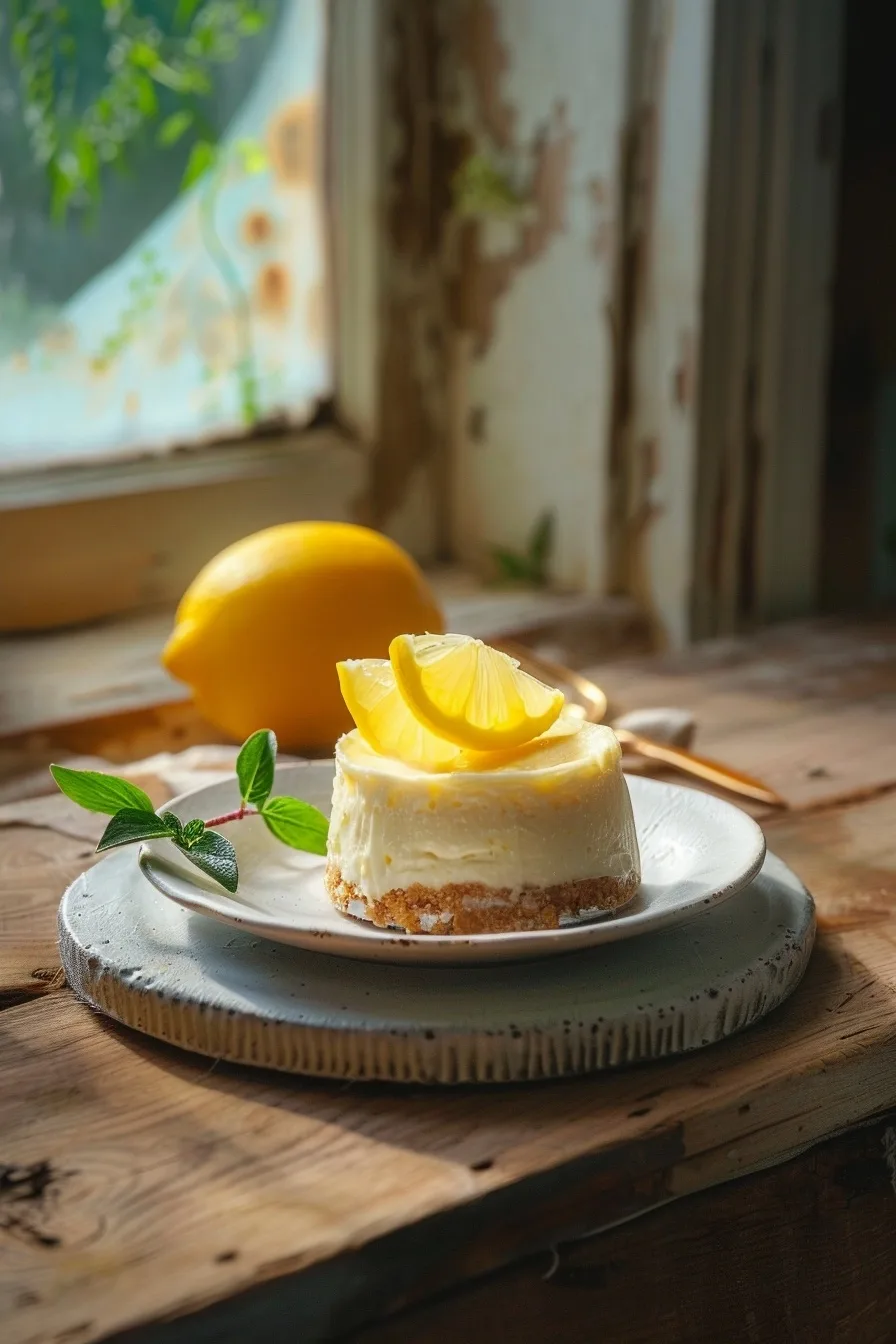
Single-serving no-bake lemon cheesecake in a jar provides a sophisticated, portion-controlled dessert solution that combines bright citrus acidity with a velvety, cultured cream base. This recipe relies on the natural thickening properties of high-protein Greek yogurt and stable cream cheese to create a luxurious texture without the need for traditional baking or heavy gelatin stabilizers. Achieving the perfect balance requires precise emulsification of ingredients to ensure a uniform consistency that sets firmly in your refrigerator.
| Prep Time | Cook Time | Total Time | Servings | Difficulty | Cuisine |
|---|---|---|---|---|---|
| 10 minutes | 0 minutes | 40 minutes | 1 | Easy | American |
Why This Recipe Works
The culinary success of this cheesecake rests on the precise interaction between the lactic acid in Greek yogurt and the fat globules in cream cheese. By carefully whisking these together, we create a stable emulsion that holds its shape despite the lack of heat-set proteins. The acidity from fresh lemon juice acts as a natural coagulant, causing the proteins in the yogurt to tighten slightly, which improves the structural integrity of the individual serving.
Temperature control represents a significant factor in managing the texture. Utilizing room-temperature cream cheese ensures that no grainy lumps remain, allowing for a completely smooth mouthfeel once the jar is chilled. Incorporating honey instead of granulated sugar provides a subtle, floral sweetness that preserves the viscosity of the mixture while helping to maintain the perfect density required for a non-baked format.
Gravity and surface tension within the glass jar help the crust and filling set into distinct layers. Using crushed graham crackers provides a crisp, buttery barrier that prevents the moisture from the filling from causing structural collapse. This combination of science and simple preparation leads to a dessert that is light, refreshing, and entirely reliable for a quick, elegant finish to any meal.
Ingredients
| Ingredient | Quantity | Notes |
|---|---|---|
| Graham cracker crumbs | 1/4 cup | Ensure fine, even texture |
| Greek yogurt | 1/3 cup | Full-fat strained prevents separation |
| Cream cheese | 1 tbsp | Must be room temperature |
| Lemon juice | 1 tbsp | Freshly squeezed is mandatory |
| Honey | 1 tsp | Adds moisture and floral sweetness |
Step-by-Step Instructions
Crust Assembly
- Measure the graham cracker crumbs precisely to ensure a balanced crust-to-filling ratio.
- Pour crumbs into the bottom of a clean, narrow-mouth 8-ounce glass jar.
- Press the crumbs firmly using the back of a spoon to create a dense, flat base.
Filling Preparation
- Combine the softened cream cheese and honey in a small mixing bowl.
- Whisk the mixture until the cream cheese appears completely smooth and free of visible lumps.
- Add the thick Greek yogurt and fresh lemon juice to the bowl.
- Whisk continuously for sixty seconds until the emulsion appears glossy and aerated.
Chilling and Finishing
- Pour the cheesecake mixture slowly over the packed graham cracker crust.
- Tap the jar gently against the counter to release any trapped air bubbles.
- Place the jar in the refrigerator for a minimum of 30 minutes to allow the proteins to set.
Chef Tips for Perfect Results
- Always use room temperature cream cheese; cold cream cheese creates small, unappealing white specks in the finished mousse.
- Zest the lemon before juicing it to add concentrated citrus oils to the filling for deeper flavor.
- Wipe the internal walls of the jar with a clean cloth after pouring to ensure a professional, clean-lined appearance.
- Utilize an offset spatula or a small piping bag if you prefer a decorative top rather than a flat pour.
- Perform the chilling process in the coldest part of your refrigerator, usually the back shelf, to stabilize the fats faster.
Common Mistakes to Avoid
- Over-mixing the yogurt can lead to an overly thin result; whisk only until the ingredients integrate fully.
- Using low-fat yogurt often destabilizes the structure because there is not enough milk fat to hold the emulsion together.
- Omitting the chilling time prevents the cream cheese from firming up, resulting in a runny rather than spoonable texture.
- Ignoring the crust compression leads to sandy layers that mix into the filling, muddying the appearance.
Variations and Substitutions
| Ingredient | Substitution | Impact |
|---|---|---|
| Honey | Agave syrup | Thinner consistency but similar sweetness profile |
| Lemon juice | Lime juice | Produces a sharper, more botanical citrus profile |
| Graham crackers | Ginger snaps | Adds a spicy, warm undercurrent to the citrus |
Serving Suggestions and Pairings
Serve this dessert alongside a chilled glass of sparkling water infused with fresh mint or thin cucumber strips. For a formal presentation, garnish the top with a single, paper-thin slice of candied lemon or a small sprig of fresh basil to complement the acidity. This dish pairs exceptionally well after savory dishes like roasted poultry or light garden salads.
Storage and Reheating
| Method | Duration | Technical Instructions |
|---|---|---|
| Refrigerated | 24 hours | Cover with a tight lid to prevent flavor absorption |
Nutritional Information
| Nutrient | Amount per Serving |
|---|---|
| Calories | 185 kcal |
| Protein | 6g |
| Fat | 8g |
| Carbohydrates | 22g |
| Sugar | 16g |
Frequently Asked Questions
Can I make this dairy-free?
Yes, you can substitute the dairy components with high-quality almond-based cream cheese and thick coconut yogurt, though the final texture may be less firm. Ensure your substitutions are naturally thick to maintain the structure.
How do I know if it is fully set?
The cheesecake is properly set when the surface no longer jiggles significantly upon tilting the jar. A chilled cheesecake should feel firm and hold its shape perfectly against the side of the glass.
Can I freeze these jars?
Freezing is not recommended because the yogurt emulsion will break and become crystalline upon thawing. The chemical interaction between the lemon juice and milk proteins is best preserved through simple, short-term refrigeration.
My mixture looks runny, what happened?
A runny mixture usually indicates that your yogurt had too much residual whey or the cream cheese was not fully emulsified. You can attempt to fix this by whisking in an additional half-teaspoon of cream cheese, though correct measurements are always the best prevention.
Can I add gelatin for a stiffer texture?
While you can use agar-agar, this recipe is designed specifically to rely on cold-set dairy proteins for a lighter feel. If you choose to use agar-agar, you must heat the liquid portion first to activate the gelling agent, which changes the entire methodology.
This single-serving no-bake lemon cheesecake offers a masterclass in minimalist dessert preparation. By respecting the chemical limitations of the ingredients, you have produced a clean, vibrant conclusion to your dining experience. The initial tang of fresh lemon awakens the palate, followed immediately by the cool, velvety richness of the cream cheese and yogurt base. Each bite balances the structural crunch of the graham crust with the smooth, airy filling, resulting in a perfectly portioned treat that leaves you feeling satisfied and refreshed.
Recipe Summary
A refreshingly tangy and perfectly portioned no-bake lemon cheesecake designed for a single serving.
- Prep Time: 10 minutes
- Total Time: 40 minutes
- Servings: 1