
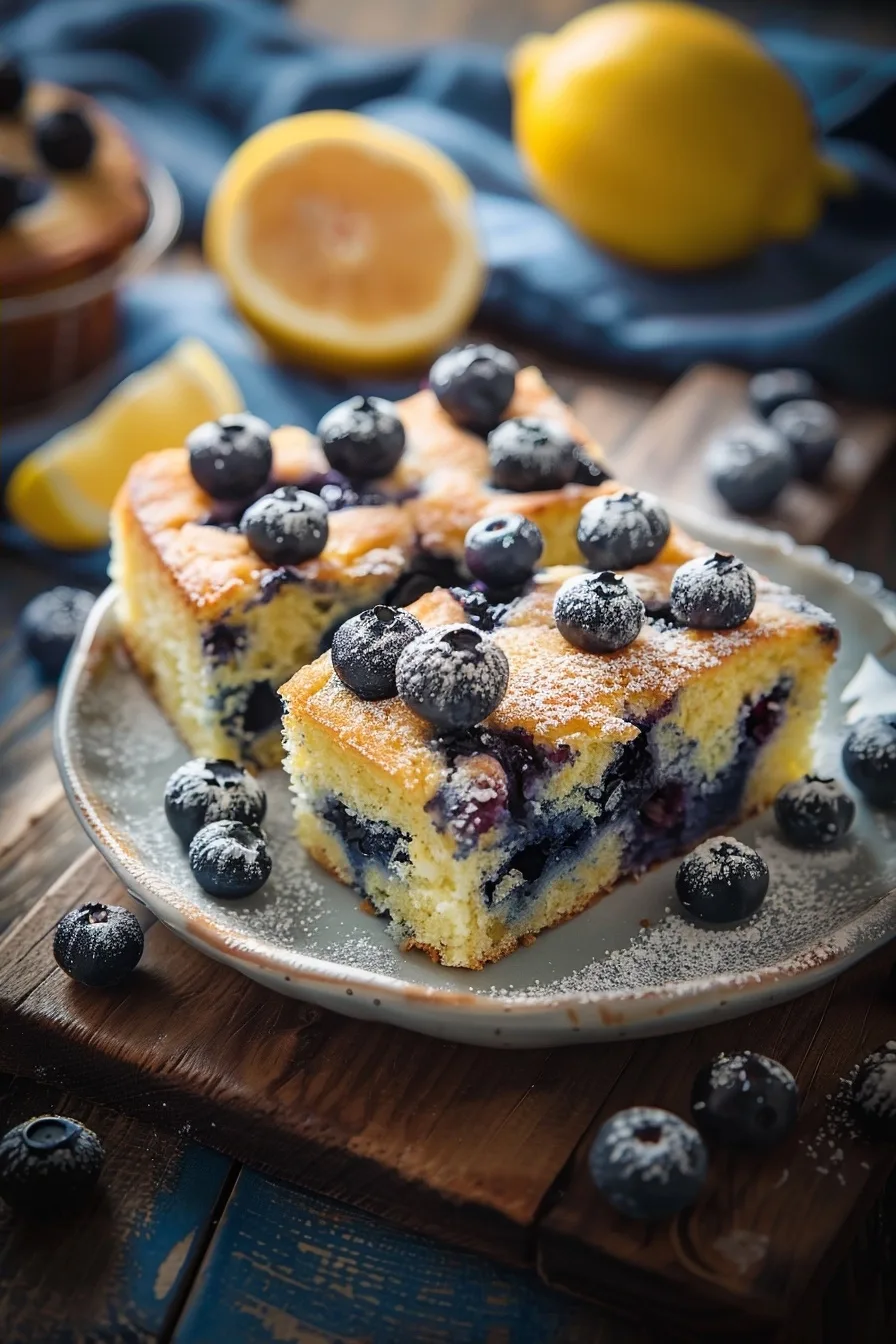
The single-serving lemon blueberry mug cake provides a rapid, nutritionally balanced, and portion-controlled dessert prepared entirely within a microwave. This recipe utilizes the structural integrity of oat flour and the natural acidity of fresh lemon to create a moist, fluffy crumb in under two minutes. By avoiding complex ovens or bulk baking, this method ensures a consistent result every time you crave a quick citrus dessert.
Recipe Overview
| Metric | Details |
|---|---|
| Prep Time | 2 minutes |
| Cook Time | 70 seconds |
| Total Time | 4 minutes |
| Servings | 1 |
| Difficulty | Beginner |
| Cuisine | American |
Why This Recipe Works
The culinary magic of a mug cake stems from rapid steam-based leavening. When you combine oat flour with milk, you create a hydrated starch structure. As the mixture encounters microwave radiation, the water within the milk turns to steam, causing the cake to expand quickly. The specific ratio of dry to wet ingredients here prevents the common rubbery texture often found in microwave recipes, ensuring the starch gelatinizes without becoming tough.
I chose oat flour for its unique density and superior ability to absorb moisture. Unlike standard wheat flour, oat flour adds a subtle nutty baseline that effectively contrasts with the sharp, bright notes of fresh lemon zest. The lemon zest acts as the primary flavor carrier, providing aromatic oils that survive the quick cooking cycle much better than liquid extracts might, resulting in a cleaner finish.
The blueberry inclusion is not just for visual appeal; it serves a functional purpose in the crumb. As the blueberries soften, they release small pockets of juice into the surrounding cake batter. This localised hydration keeps the cake moist exactly where you need it most. By folding them in gently at the end, you protect the structural integrity of the batter while ensuring every bite contains a burst of fruit.
| Ingredient | Quantity | Notes |
|---|---|---|
| Oat Flour | 3 tbsp | Ensure certified gluten-free if required |
| Sweetener | 1 tbsp | Use honey, maple syrup, or sugar |
| Fresh Blueberries | 1 tbsp | Wash and dry thoroughly |
| Lemon Zest | 1/2 tsp | Use a microplane for fine texture |
| Milk | 2 tbsp | Dairy or high-protein soy milk |
Step-by-Step Instructions
Preparation Phase
- Select a microwave-safe ceramic mug with at least an 8-ounce capacity to allow for rising.
- Measure the oat flour directly into the mug to reduce dishwashing.
- Add the sweetener of your choice and the freshly grated lemon zest to the dry flour.
Mixing and Baking
- Pour the milk over the dry ingredients.
- Whisk the mixture vigorously with a small fork until the consistency is smooth and free of large flour pockets.
- Fold the blueberries gently into the batter using a spatula to avoid mashing them.
- Microwave the mug on high power for 60 to 70 seconds until the top feels firm to the light touch.
Chef Tips for Perfect Results
- Use a microplane grater to remove only the yellow skin of the lemon, avoiding the bitter white pith.
- Verify your microwave wattage, as older 700-watt models may require an additional 10 seconds of cooking time.
- Rest the cake for 60 seconds after the cycle ends to allow the structure to stabilize through residual heat.
- Test for doneness by inserting a toothpick; it should come out clean without wet batter clinging to the wood.
- Whisk the batter until no dry streaks remain to ensure even starch hydration throughout the mug.
Common Mistakes to Avoid
One frequent error is overfilling the mug. If the batter occupies more than half the vessel, the cake will overflow as it expands. Always leave ample headspace for rising. Another mistake is over-mixing the blueberries. If you mix too aggressively, the berries burst and turn the batter gray, which negatively affects both the aesthetic and the texture of the cake. Always fold them in as the very last step.
Neglecting to test the lemon zest quality is also a common technical lapse. If you grate too deeply into the lemon, the inclusion of the bitter pith will create a sharpness that disagrees with the delicate sugar profile. Use only the colored exterior portion of the peel. Finally, relying on exact times without observing the cake’s visual cues can lead to drying; always monitor the surface for a matte, set appearance.
Variations and Substitutions
| Ingredient | Substitution | Impact |
|---|---|---|
| Milk | Almond milk | Adds a slightly nutty finish |
| Sweetener | Stevia/Erythritol | Reduces glycemic load significantly |
| Blueberries | Diced strawberries | Provides a softer, sweeter fruit profile |
Serving Suggestions and Pairings
Pair this warm cake with a dollop of chilled Greek yogurt to create a beautiful contrast in temperature and acidity. For a refined brunch setting, serve alongside a cup of hibiscus tea or iced green tea, which complements the floral notes of the lemon. If serving as an evening dessert, a small drizzle of warm honey or a light dusting of vanilla bean powder adds a professional final touch.
Storage and Reheating
| Method | Duration | Technical Instructions |
|---|---|---|
| Refrigerated | 24 hours | Seal in an airtight container to prevent moisture loss |
| Reheating | 15 seconds | Heat on medium power to keep the crumb tender |
Nutritional Information
| Nutrient | Amount per Serving (Approximate) |
|---|---|
| Calories | 145 kcal |
| Protein | 4g |
| Fat | 2g |
| Carbohydrates | 28g |
Frequently Asked Questions
Can I make the cake completely gluten-free?
Yes, all oat-based recipes can be made gluten-free by using oats certified by a reliable supplier. This ensures no cross-contamination occurred during processing.
What if my mug cake is still liquid in the center?
Increase your microwave time in 10-second increments until the center feels firm. Different microwaves have varying power outputs, affecting the speed of starch gelatinization.
Is it possible to prepare the dry ingredients in advance?
You can mix the dry ingredients and store them in a small jar for up to a week. When ready to serve, simply stir in the liquid components and the fresh fruit.
Why did my cake lose its fluffiness?
Loss of fluffiness usually results from stirring too hard after the milk has hydrated the flour. Keep your folding motion light to preserve air pockets.
Can I replace the oat flour with almond flour?
Almond flour has a different fat-to-protein ratio and lacks the starches found in oats. Stick to oat flour or a blend of oat and coconut flour for the best results.
Creating this single-serving lemon blueberry mug cake demonstrates how few ingredients are required to balance complex aromas and textures. By mastering the microwave as a precision tool for fast, clean cooking, you gain the ability to generate satisfying results whenever energy is needed. With the bright, aromatic zest of lemon and the soft bursts of blueberry, this simple treat proves that culinary excellence stems from understanding your ingredients, not just from the time spent in the kitchen.