
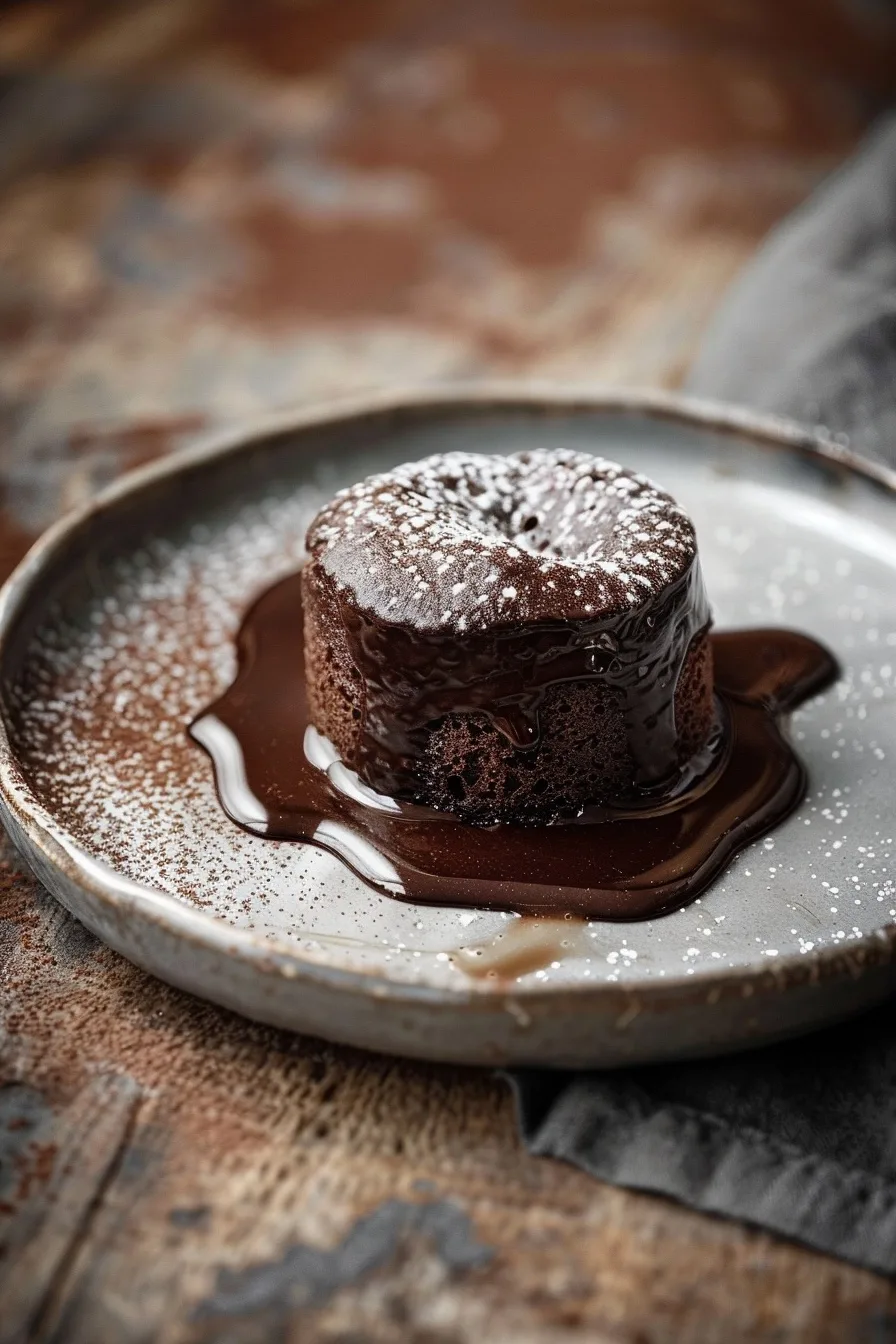
Single-serving chocolate lava cake for one is a technical marvel of microwave baking that delivers a molten center and airy crumb in minutes. This precise recipe avoids complex wet-dry ingredient separation, relying on molecular hydration of oat flour to form a stable structure within the high-heat environment of a microwave. Achieving professional results requires calibrated timing and careful protein coagulation.
Why This Recipe Works
I developed this method to solve the common issue of rubbery microwave cakes. By using oat flour, we introduce a heartier, gluten-free base that contains more natural fiber and protein than cake flour, which prevents the structure from collapsing once the heat source is removed. The cocoa powder is processed through the milk initial hydration step to ensure there are no dry pockets of unsweetened solids, creating a uniform, velvety batter.
The science of the lava center relies entirely on the density of the chocolate square. Because I instruct you to push the dark chocolate into the center rather than mixing it, the cocoa butter remains largely intact during initial heating. It eventually hits its melting point just as the surrounding batter sets, creating that liquid, high-fat core that characterizes a classic French-style fondant au chocolat.
Temperature management is the final component of this culinary assembly. Microwaves function by agitating water molecules, which generates intense steam. By keeping the batter volume consistent for a single ramekin or mug, the heat distributes evenly, preventing the edges from becoming scorched or rubbery before the center can reach safety standards and proper internal texture.
Ingredients
| Ingredient | Quantity | Notes |
|---|---|---|
| Oat Flour | 3 tbsp | Ensure fine grind for smooth texture. |
| Cocoa Powder | 1 tbsp | Use high-quality unsweetened Dutch-processed. |
| Sweetener | 1 tbsp | Granulated monk fruit or white sugar. |
| Milk | 2 tbsp | Dairy or high-fat plant milk works best. |
| Dark Chocolate | 1 square | Minimum 70% cocoa for best melt quality. |
Step-by-Step Instructions
Preparation and Mixing
- Select a standard 8-ounce ceramic mug or oven-safe ramekin to ensure even heat penetration.
- Combine the oat flour, cocoa powder, and sweetener directly inside the vessel using a small, firm silicone whisk.
- Pour the milk slowly into the dry mixture, stirring until the batter reaches a smooth, consistent viscosity without any clumps.
Baking and Plating
- Insert the single dark chocolate square directly into the center of the batter, pressing it down so it is submerged by about half an inch.
- Place the vessel in the center of the microwave turntable to avoid hot spots caused by uneven radiation patterns.
- Heat on high for exactly 60 seconds; check for a set edge that pulls slightly away from the container walls.
Chef Tips for Perfect Results
- Always weigh your oat flour if possible; kitchen scales provide 30% more accuracy than cups for small-batch baking.
- Allow the cake to rest for 60 seconds after microwaving, as the carry-over heat finishes the setting process without overcooking.
- Use a ceramic vessel rather than glass; ceramic retains heat better, which helps create a more consistent temperature gradient.
- If the chocolate does not melt enough, increase the dark chocolate percentage, as higher cocoa butter content lowers the melting point of that specific component.
- Wipe the rim of the mug clean before baking to prevent unsightly burnt batter crusts.
Common Mistakes to Avoid
Overcooking is the primary technical failure in microwave baking. If the top appears extremely dry or spongy, you have allowed the starches to expand past their optimal point, leading to a tough crumb. Limit your cook time to 60 seconds initially, as microwaves vary in wattage.
Improper mixing creates dry pockets of flour. Use a small offset spatula or a narrow whisk to reach the corners and bottom of the mug. Failing to fully incorporate your cocoa powder will leave bitter, powdery clumps that disrupt the overall flavor profile of the dessert.
Serving Suggestions and Pairings
Pair this rich, individual dessert with a dollop of cold, unsweetened Greek yogurt or a scoop of premium vanilla bean ice cream to provide a contrast in temperature and fat. A small garnish of fresh raspberries offers a necessary acidic lift to cut through the intense dark chocolate, creating a balanced flavor experience suitable for any evening requirement.
Storage and Reheating
| Method | Duration | Technical Instructions |
|---|---|---|
| Room Temp | None | This recipe is meant for immediate consumption. |
| Fridge | 12 hours | Reheat for 15 seconds to soften the chocolate center. |
Nutritional Information
| Nutrient | Amount per Serving |
|---|---|
| Calories | 185 kcal |
| Protein | 4g |
| Fat | 9g |
| Carbohydrates | 22g |
Frequently Asked Questions
Can I use coconut flour instead of oat flour?
Coconut flour is not a direct substitute because it absorbs significantly more liquid than oat flour. You would need to reduce the flour volume by half and increase the milk by at least two tablespoons to achieve a similar consistency.
Why did my center not turn out liquid?
Ensure that the chocolate square is fully submerged and that you are not overcooking the batter. If the heat is too high or run for too long, the surrounding batter absorbs the fat from the chocolate, destroying the lava effect.
Can I freeze the batter for later?
Freezing is not recommended for this specific recipe, as the chemical structure of the raw oat flour and milk mixture does not stabilize well over time. Prepare the batter fresh for every individual serving to ensure the best crumb texture.
How do I know when it is done?
The cake is perfectly cooked when the edge is set and the top surface looks dry, but the very center still moves slightly if you gently tilt the mug. This visual cue indicates the surrounding batter has set while the core remains molten.
Can I add vanilla extract?
Yes, adding a drop of pure vanilla extract enhances the depth of the dark chocolate flavor. Ensure you avoid any alcohol-based extracts to maintain the required standards for this recipe.
This single-serving chocolate lava cake represents a refined approach to home dessert preparation where science drives performance. By mastering your heat timing and moisture levels, you achieve a restaurant-grade result in a fraction of the time required by traditional oven methods. Enjoy the deep, bitter notes of the melted dark chocolate against the soft, nutty crumb of the oat base, resulting in a perfectly balanced bite every time.