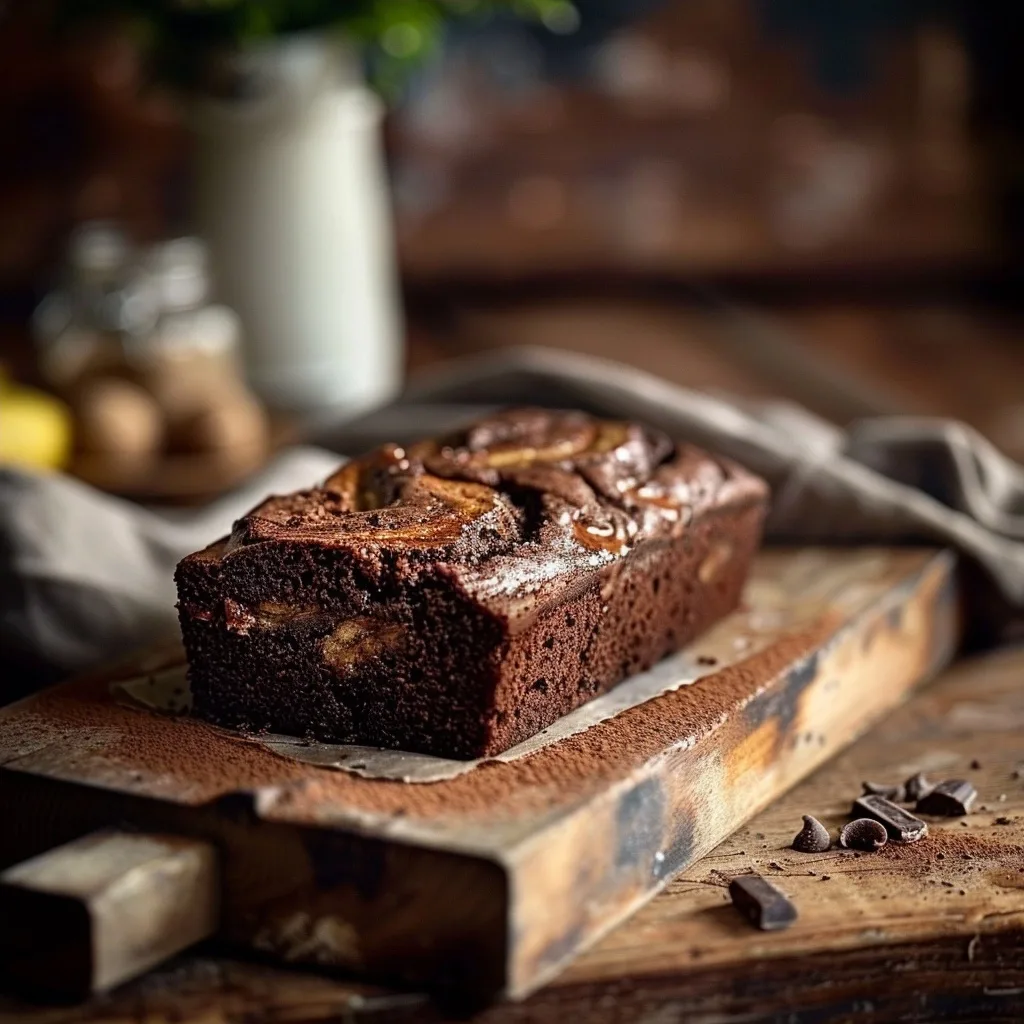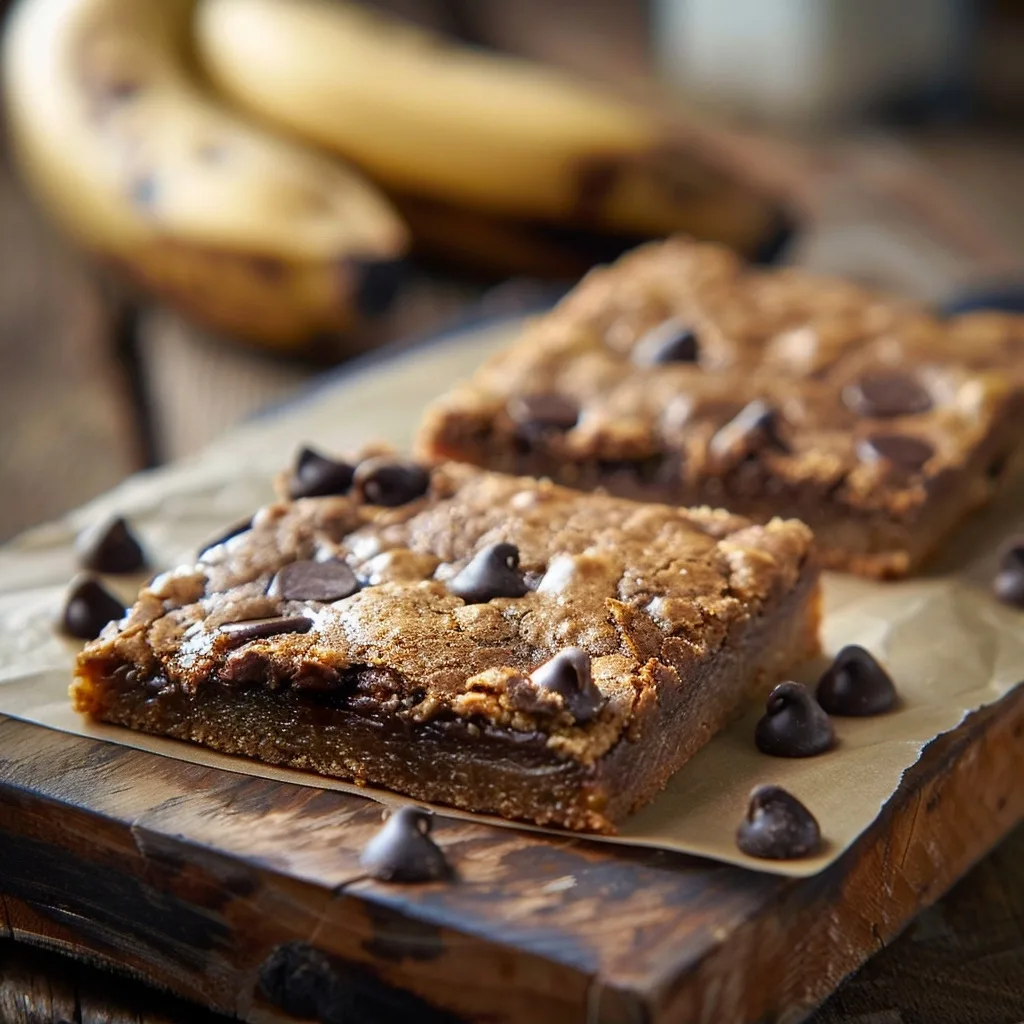

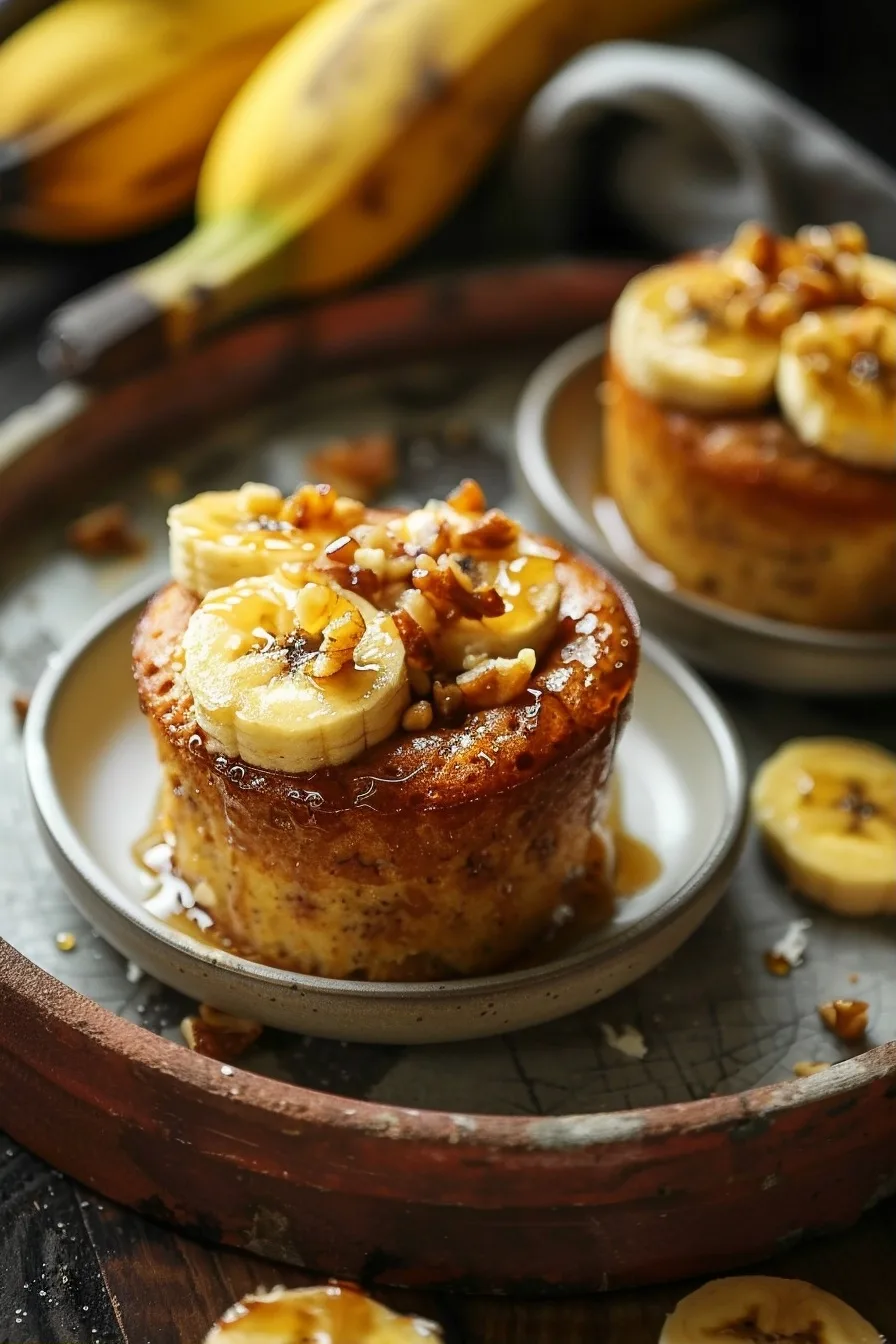
Healthy 1-Minute Banana Mug Cake is a nutrient-dense, single-serving treat designed for maximum efficiency and flavor stability in your kitchen. By utilizing simple, clean ingredients like oat flour and fresh fruit, this recipe provides a comforting dessert experience without refined sugar or long baking times. Whether you need a morning pick-me-up or an evening snack, this microwave preparation ensures consistent quality every single time.
Recipe Overview
| Prep Time | 2 minutes |
|---|---|
| Cook Time | 1 minute |
| Total Time | 3 minutes |
| Servings | 1 |
| Difficulty | Easy |
| Cuisine | American |
Why This Recipe Works
This recipe functions through the rapid heating capability of the microwave, which excels at steam-setting starches within the oat flour. Unlike traditional oven baking, which requires heat to penetrate to the center of a dense cake mass, this method effectively uses the moisture from the mashed banana to generate steam bubbles. These bubbles expand the structure rapidly, creating a light, sponge-like crumb in exactly sixty seconds.
Food science reveals that the viscosity of the banana provides the necessary binding matrix to hold the oat flour together without the need for eggs or complex leavening agents. By maintaining a high ratio of fruit to grain, the cake retains internal moisture even after the cellulose and starch components have set. This prevents the rubbery texture often associated with microwaved baked goods, maintaining a soft, delicate mouthfeel instead.
The chemical profile of this cake leans on the natural pectins and sugars found in the banana to deepen the flavor profile as the temperature increases. Controlling the liquid-to-dry ratio ensures that the oat flour fully hydrates during the brief cooking cycle. This balance is critical to prevent a dry, chalky exterior while ensuring the center cooks through completely to a safe consumption temperature.
Ingredients
| Ingredient | Quantity | Notes |
|---|---|---|
| Oat Flour | 3 tbsp | Ensure certified gluten-free if necessary |
| Mashed Banana | 1/4 cup | Use overripe fruit for best natural sweetness |
| Natural Sweetener | 1 tsp | Stevia or monk fruit extract works well |
| Milk | 2 tbsp | Use almond, soy, or dairy as preferred |
Step-by-Step Instructions
Preparation Phase
-
Mash the banana thoroughly in a small bowl until it reaches a smooth, consistent paste texture.
-
Combine the mashed banana, oat flour, sweetener, and milk in a microwave-safe mug or ramekin.
-
Whisk the mixture vigorously with a fork to remove any dry clumps of flour and ensure the sweetener is fully dissolved.
Cooking Phase
-
Place the mug in the center of the microwave turntable to ensure even heat distribution.
-
Cook on high power for exactly 60 seconds, observing the rise of the batter during the final 15 seconds.
-
Rest the mug on a heat-proof surface for one minute, allowing the residual heat to finalize the structure through carry-over cooking.
Chef Tips for Perfect Results
-
Always select a mug with a wide base rather than a deep, narrow vessel to ensure even heat penetration.
-
Use a fork to mash the banana into a fine puree; chunks create uneven hydration levels in the final cake.
-
Check the microwave power output, as microwaves above 1000 watts may require a 5-10 second reduction in total cook time.
-
Resting the cake is non-negotiable; this allows the structure to stabilize so the texture is firm rather than gummy.
-
Whisking the batter for at least 30 seconds improves the aeration of the oat flour, creating a lighter crumb structure.
Common Mistakes to Avoid
-
Overcrowding the mug: Leave at least one inch of headspace at the top to prevent the cake from bubbling over during the intense steam release phase.
-
Excessive heat: Cooking beyond 75 seconds often results in protein denaturation and starch hardening, leading to a rubbery, unpleasant texture.
-
Inconsistent stirring: Failure to fully incorporate the oat flour into the moisture results in dry, raw pockets of flour within the soft cake center.
-
Ignoring the banana ripeness: Using a green-tipped banana lacking sufficient glucose will result in a flat, starch-heavy flavor that fails to satisfy as a snack.
Variations and Substitutions
| Ingredient | Substitution | Impact |
|---|---|---|
| Oat Flour | Almond Flour | Higher fat content creates a richer, denser texture |
| Milk | Coconut Milk | Adds a subtle tropical aroma and creamier mouthfeel |
| Natural Sweetener | Pure Maple Syrup | Increases moisture but adds non-refined sugar |
Serving Suggestions and Pairings
Serve this warm, topped with a light dusting of cinnamon or a small teaspoon of natural almond butter to balance the sweetness. For a refined snack experience, pair this with a hot cup of unsweetened rooibos tea or a tall glass of house-made cold brew coffee. These pairings complement the natural earthy profile of the oat flour without overpowering the banana base.
Storage and Reheating
| Method | Duration | Storage Instructions |
|---|---|---|
| Room Temp | None | Not recommended due to rapid moisture loss and fungal growth risk |
| Refrigerated | 24 Hours | Wrap tightly in airtight plastic to prevent the cake from absorbing fridge odors |
Nutritional Information
Approximate values per serving per data from the USDA.
| Nutrient | Amount |
|---|---|
| Calories | 185 kcal |
| Protein | 4g |
| Fat | 2g |
| Carbohydrates | 38g |
| Sugar | 12g |
Frequently Asked Questions
Can I double this recipe in a larger mug?
Yes, but you must increase the cook time by increments of 30 seconds and rotate the mug to prevent cold spots. Note that the structure may become denser due to the increased mass and slower heat redistribution.
Why is my cake rubbery?
Rubbery textures occur when the carbohydrates are exposed to excessive microwave energy, causing the starches to trap too much heat. Reduce your cooking time by 10 seconds in your next attempt to maintain a softer crumb.
Can I freeze the batter for later?
Freezing the mixed batter is not recommended as the moisture content will separate, causing the oat flour to lose its structural integrity. It is faster to mix the ingredients fresh given the one-minute preparation time required.
How do I know when it is finished?
The cake is done when the top appears set and slightly springy to the touch without any liquid batter visible. A toothpick inserted into the center should come out clean but moist, indicating perfect internal hydration.
Can I add vanilla extract?
A few drops of pure vanilla extract can be whisks into the wet ingredients for an enhanced aromatic finish. Ensure it is pure extract and alcohol-free for the best flavor profile without any chemical aftertaste.
Conclusion
Mastering this simple banana mug cake provides a reliable, efficient solution for your snacking needs. By understanding how oat flour gels and interacts with fruit sugars under heat, you achieve a professional-quality texture in mere moments. Serve this warm, enjoyed immediately, and savor the balance of soft, tender crumb and natural fruit sweetness. It is a fundamental technique for every home kitchen, offering versatility that fits perfectly into a busy, health-conscious lifestyle while remaining consistently delicious every time you reach for your mug.