
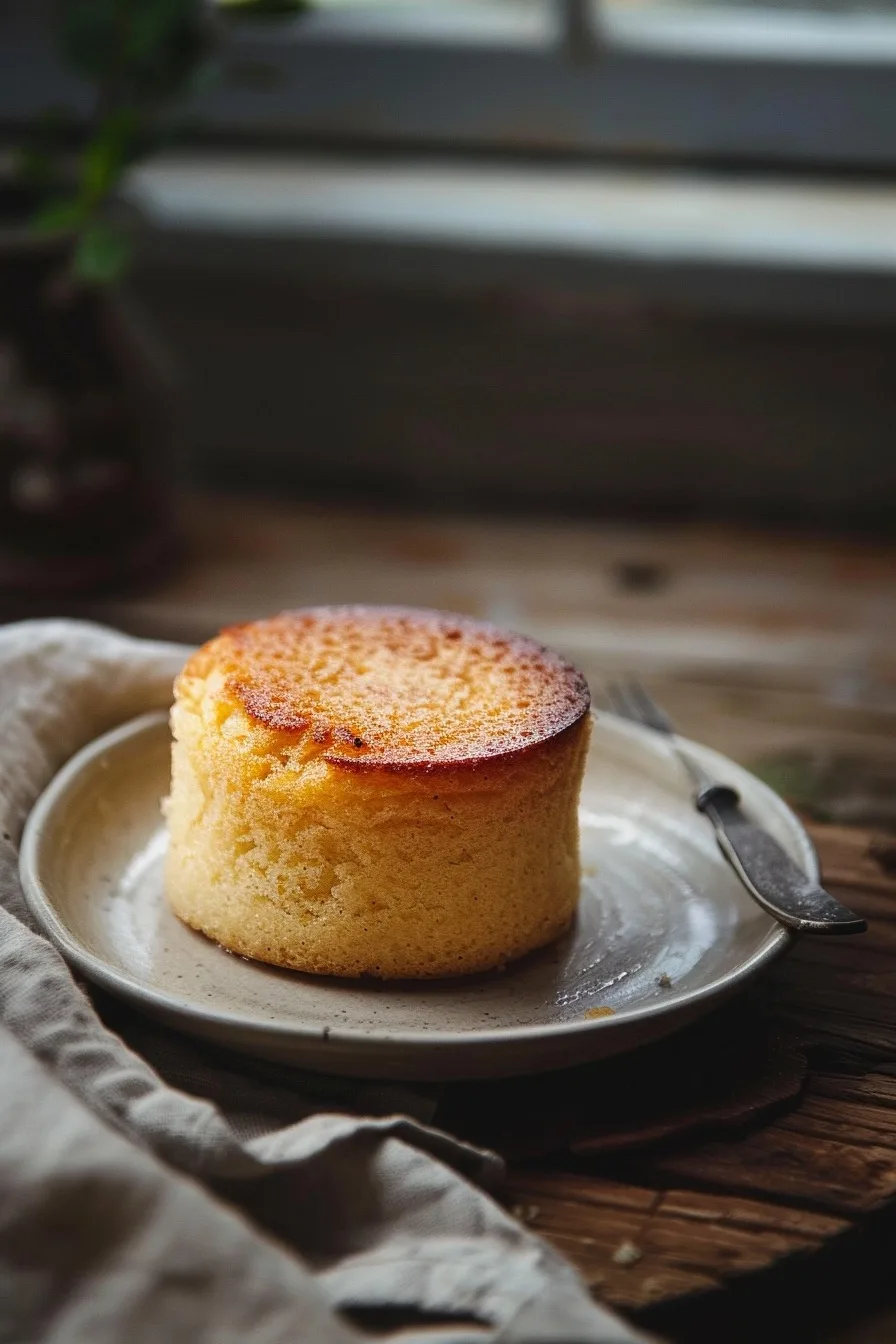
Healthy Vanilla Bean Mug Cake serving classic comfort in a single serving is the quintessential solution for immediate dessert cravings without the need for an entire oven-baked cake. This recipe utilizes precise ingredient ratios to achieve a tender crumb and deep floral aromatics using authentic vanilla bean paste. By leveraging microwave thermal energy, you produce a steamy, soft treat in under two minutes.
| Category | Details |
|---|---|
| Prep Time | 2 minutes |
| Cook Time | 1 minute |
| Total Time | 3 minutes |
| Servings | 1 |
| Difficulty | Beginner |
| Cuisine | American |
Why This Recipe Works
The science of this mug cake relies on the rapid coagulation of proteins and the gelatinization of oat starch. Unlike traditional flour, oat flour offers a wholesome, slightly nutty base that binds moisture effectively without requiring leavening agents that might leave a metallic aftertaste. By using milk as the hydration medium, the sugars undergo a gentle thermal transformation that reinforces the soft, cloud-like texture.
I chose vanilla bean paste specifically to ensure the concentration of flavor remains high despite the short cook time. Unlike extract, which can evaporate quickly under intense heat, the seeds within the paste infuse the batter with authentic botanical notes. This provides a professional-grade aroma that acts as the focal point of the dish, turning a simple microwave snack into a refined culinary experience.
Temperature control is managed through the fat and protein interactions of the milk and flour. By keeping the volume strictly to a single serving, the heat distributed by the microwave penetrates evenly, preventing the edges from becoming tough or rubbery. This balanced approach creates a localized heat environment that allows the crumbs to set while retaining enough steam for a moist crumb.
Ingredients
| Ingredient | Quantity | Notes |
|---|---|---|
| Oat Flour | 3 tbsp | Ensure fine grind for texture |
| Sweetener | 1 tbsp | Coconut sugar or monk fruit |
| Vanilla Bean Paste | 1/4 tsp | Higher concentration than extract |
| Milk | 2 tbsp | Dairy or unsweetened almond milk |
Step-by-Step Instructions
Prep
- Select a microwave-safe ceramic mug with straight sides to ensure heat circulates uniformly.
- Measure the oat flour directly into the mug to minimize cleanup and retain all essential particles.
- Add the sweetener of your choice over the dry flour to avoid clumping later during the mixing process.
Baking
- Incorporate the vanilla bean paste into the dry mixture before adding liquid to ensure an even distribution of the vanilla seeds.
- Pour in the milk slowly while stirring vigorously with a small fork to eliminate pockets of dry flour, creating a smooth, medium-thick batter.
- Place the mug in the center of the microwave turntable to maximize the exposure to radiation wavelengths.
- Microwave on high power for exactly 60 seconds, observing that the center of the cake is puffed and dry to the touch.
Chef Tips for Perfect Results
- Always stop the microwave when the cake has just finished rising, as over-microwaving leads to rapid moisture loss and a chewy, rubbery exterior.
- Use a ceramic mug with a handle, as glass containers may hold heat differently and cause the bottom of the cake to become dense.
- Allow the cake to rest for 60 seconds after the microwave stops, allowing residual steam to finish the internal cooking process.
- Ensure your vanilla bean paste is fresh; high-quality paste should have a thick consistency and clearly visible specks throughout.
- If the cake feels too dense, double-check your measurement of the oat flour to ensure it is lightly scooped rather than packed into the spoon.
Common Mistakes to Avoid
One common failure is using a container that is too large, which spreads the batter too thin and results in a dried-out, hard puck. Stick to a standard 8-12 ounce capacity mug to maintain the necessary depth for moisture retention. Do not skip the resting phase, as premature cutting into the cake releases the crucial steam required for a fluffy texture.
Another technical error is over-mixing the batter, which develops the fibers in the oat flour and creates a gummy consistency. Mix only until the dry ingredients are fully hydrated by the liquid. Finally, substituting liquid ingredients that lack fat content, such as water, will prevent the cake from achieving the desired tender mouthfeel that milk provides.
Variations and Substitutions
| Ingredient | Substitution | Impact |
|---|---|---|
| Oat Flour | Almond Flour | Higher fat, nuttier, denser crumb |
| Milk | Soy Milk | Increased viscosity, slightly higher protein |
| Sweetener | Maple Syrup | Adds moisture, requires slightly less milk |
Serving Suggestions and Pairings
Pair this warm vanilla treat with a glass of chilled, iron-fortified milk or a hot brewed herbal tea. For an upscale presentation, top the cake with a singular fresh raspberry or a light dusting of cinnamon. These additions provide a sharp contrast to the soft vanilla notes, balancing the palate.
Storage and Reheating
| Method | Duration | Instructions |
|---|---|---|
| Immediate consumption | N/A | Best enjoyed warm within 5 minutes of cooking. |
| Refrigerated | 24 Hours | Wrap tightly in plastic; microwave for 10 seconds to revive moisture. |
Nutritional Information
Approximate values per serving.
| Nutrient | Amount |
|---|---|
| Calories | 185 kcal |
| Protein | 5g |
| Fat | 4g |
| Carbohydrates | 32g |
| Fiber | 3g |
Frequently Asked Questions
Can I use extract instead of paste?
Yes, use an equal amount, though the intensity of the vanilla flavor will be slightly reduced without the authentic bean pods. The texture will remain consistent regardless of which aromatic agent you choose.
How do I know when the cake is done?
The cake is done when the surface appears matte-dry and springs back when lightly pressed with a fork. It should have pulled away slightly from the sides of the mug.
Is the center meant to be slightly gooey?
The center should be moist, but if it appears liquid, add an additional 10 seconds of cook time. Excessive liquid usually points to improper measurement of the flour.
Can this be made dairy-free?
Yes, use any plant-based milk such as almond, soy, or oat milk to maintain the necessary protein structure. These alternatives work identically to dairy milk in this specific microwave method.
Should I grease the mug?
Greasing the mug is optional but recommended if you prefer to flip the cake onto a plate before serving. For eating directly from the mug, it is not strictly necessary for the recipe to function.
Achieving a perfectly moist result in minutes is a triumph of modern culinary physics. By trusting the exact ratios and the floral depth of pure vanilla, you have created a comforting, wholesome dessert that satisfies without excess. Enjoy the subtle complexity, sweet warmth, and soft texture of this quintessential quick treat.