
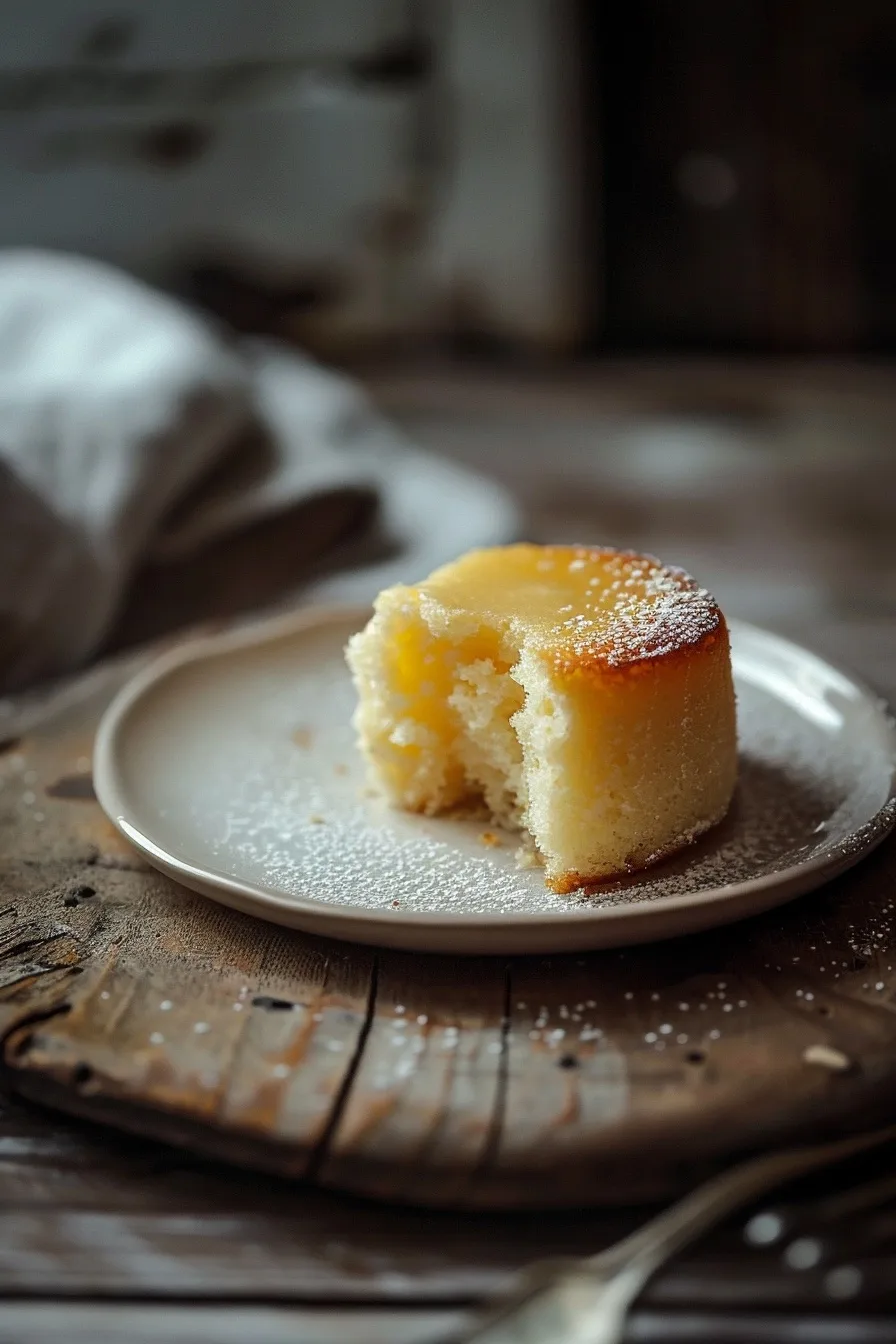
Gluten free vanilla mug cake is a single-serving dessert that provides a moist, tender crumb using only a microwave in minutes. This scientific approach to mug cakes relies on precise dry-to-wet ratios to ensure the structure holds up without the need for wheat-based proteins. Whether you are looking for a quick after-dinner treat or a simple way to satisfy a craving, this method delivers consistent results every single time.
Recipe Overview
| Prep Time | Cook Time | Total Time | Servings | Difficulty | Cuisine |
|---|---|---|---|---|---|
| 2 minutes | 1 minute | 3 minutes | 1 | Easy | American |
Why This Recipe Works
I focus on the structural integrity of this cake by balancing the absorption rate of gluten-free flour blends with the hydration provided by almond milk. Many mug cakes suffer from a rubbery texture because they lack the proper binding agents found in traditional baking. By using a measured amount of baking powder, we create small carbon dioxide bubbles that lift the crumb despite the lack of elastic gluten networks.
The science of the microwave relies on rapid water molecule agitation, which heats the batter incredibly fast. This is why small, controlled increments of time are critical to preventing the exterior from drying out before the center sets. I have optimized the ingredient volume so that the moisture remains trapped in the crumb, resulting in a soft sponge that mimics a standard oven-baked cake.
Flavor development in this dessert is achieved through the use of high-quality pure vanilla extract, which provides depth without any artificial aftertaste. Because the cooking process is so shortened, the ingredients retain their integrity. By utilizing sweeteners that mimic the bulk of granulated sugar, we ensure the structural properties remain sound throughout the rapid heating cycle.
Ingredients
| Ingredient | Quantity | Notes |
|---|---|---|
| Gluten-free flour blend | 3 tbsp | Ensure blend contains xanthan gum |
| Granulated sweetener | 1 tbsp | Erythritol or sugar work well |
| Baking powder | 1/4 tsp | Must be fresh for proper rise |
| Almond milk | 2 tbsp | Unsweetened plain |
| Vanilla extract | 1/4 tsp | Use pure extract for best flavor |
Step-by-Step Instructions
Preparation and Mixing
- Select a standard 12-ounce microwave-safe ceramic mug to provide enough room for the cake to rise without overflowing.
- Measure the gluten-free flour, sweetener, and baking powder directly into the mug to reduce cleanup.
- Whisk the dry ingredients thoroughly with a fork to break up any clumps and distribute the baking powder evenly.
- Add the almond milk and vanilla extract to the center of the dry mixture.
- Whisk the combination vigorously until the batter reaches a smooth, consistent texture with no visible dry pockets.
Cooking Phase
- Place the mug in the center of the microwave turntable to ensure even energy distribution.
- Microwave the batter on high power for exactly 60 seconds.
- Remove the mug carefully, noting that the contents will be extremely hot due to the rapid heating process.
- Allow the cake to rest for 60 seconds, which allows the steam inside the crumb to redistribute and stabilize.
Chef Tips for Perfect Results
- Always use a mug with straight sides, as this promotes even heat penetration compared to tapered shapes.
- Check your microwave wattage; if your unit is over 1200 watts, reduce the cooking time by five seconds.
- Use a fork to test the center; if it appears overly wet, add heat in five-second increments.
- Avoid over-mixing the batter, as this can lead to a gummy texture depending on the type of flour blend used.
- For a cleaner release, lightly grease the inside of your mug with a small amount of neutral oil before adding the batter.
- Allowing the cake to stand for one minute after microwave time is non-negotiable for proper final texture development.
Common Mistakes to Avoid
One common error is using a flour blend that lacks xanthan gum, resulting in a cake that does not bind and crumbles upon touching. If your blend does not contain gum, add a tiny pinch to ensure structural stability. Another mistake is substituting the liquid volume with too much milk; this ruins the starch-to-liquid ratio and results in a soggy, pudding-like consistency. Always calibrate your microwave precisely, as excessive heat will denature the proteins and toughen the cake instantly. Finally, neglecting to whisk the dry ingredients first leads to pockets of unmixed baking powder, which creates unpleasant bitter spots in your finished dessert.
Variations and Substitutions
| Ingredient | Substitution | Impact |
|---|---|---|
| Almond milk | Oat milk | Produces a slightly richer, creamier mouthfeel |
| Vanilla extract | Almond extract | Provides a distinct, nutty aroma profile |
| Sweetener | Coconut sugar | Adds a subtle caramel depth but darkens color |
Serving Suggestions and Pairings
Serve this warm mug cake topped with a dollop of fresh, dairy-free whipped cream or a sprinkle of toasted slivered almonds. For a gourmet presentation, pair it with a tall glass of iced cinnamon-spiced almond milk or a hot brewed decaffeinated herbal tea. This dessert works perfectly for a quick individual indulgence or as a late-night treat when you want a warm, comforting finish to your dinner.
Storage and Reheating
This dessert is intended for immediate consumption due to the rapid staling process of gluten-free starches. If you must store it, cover the mug tightly with plastic wrap to prevent moisture loss. It can be held at room temperature for up to four hours, but reheating is not recommended as it will cause the cake to toughen significantly.
Nutritional Information (Approximate values)
| Nutrient | Amount per Serving |
|---|---|
| Calories | 110 kcal |
| Protein | 2g |
| Fat | 3g |
| Carbohydrates | 18g |
| Fiber | 1g |
Frequently Asked Questions
Can I make this in advance?
This recipe is designed for instant serving and does not hold its texture well when made in advance. The moisture profile shifts as the cake cools, so enjoy it immediately after the resting period.
Why did my cake sink in the middle?
A sunken center usually indicates either an incorrect ratio of leavening agent or the microwave was opened too early during the cooking process. Ensure your baking powder is active and avoid interrupting the cooking cycle.
How do I know when it is done?
The cake is finished when the top appears set and slightly springy to the touch. A toothpick inserted into the center should come out clean or with only a few moist crumbs attached.
Can I add chocolate chips?
Adding a small teaspoon of dairy-free chocolate chips is a great way to enhance the flavor. Fold them into the batter just before microwave cooking to ensure they disperse evenly.
Is this recipe safe for those with celiac disease?
This recipe uses gluten-free ingredients, but always verify the labels on your specific flour blend and baking powder. Ensure all equipment is cleaned to prevent cross-contamination in shared kitchen spaces.
Conclusion
Mastering the gluten-free vanilla mug cake is a testament to the speed and efficiency of modern microwave technology. By respecting the chemical ratios of your ingredients and utilizing proper resting times, you produce a professional-grade dessert in under three minutes. This recipe offers a reliable, consistent, and satisfying sensory experience, featuring a delicate crumb and a warm, inviting vanilla aroma that fills the kitchen instantly. With these techniques refined, you have a perfect, convenient solution for any dessert craving that arises, ensuring high-quality results every single time you head to the kitchen.
Recipe Card
Ingredients: 3 tbsp gluten-free flour, 1 tbsp sweetener, 1/4 tsp baking powder, 2 tbsp almond milk, 1/4 tsp vanilla extract.
Instructions: Whisk gluten-free flour, sweetener, baking powder, milk, and vanilla in a mug until smooth. Microwave for 60 seconds. Rest for 1 minute before consuming.