
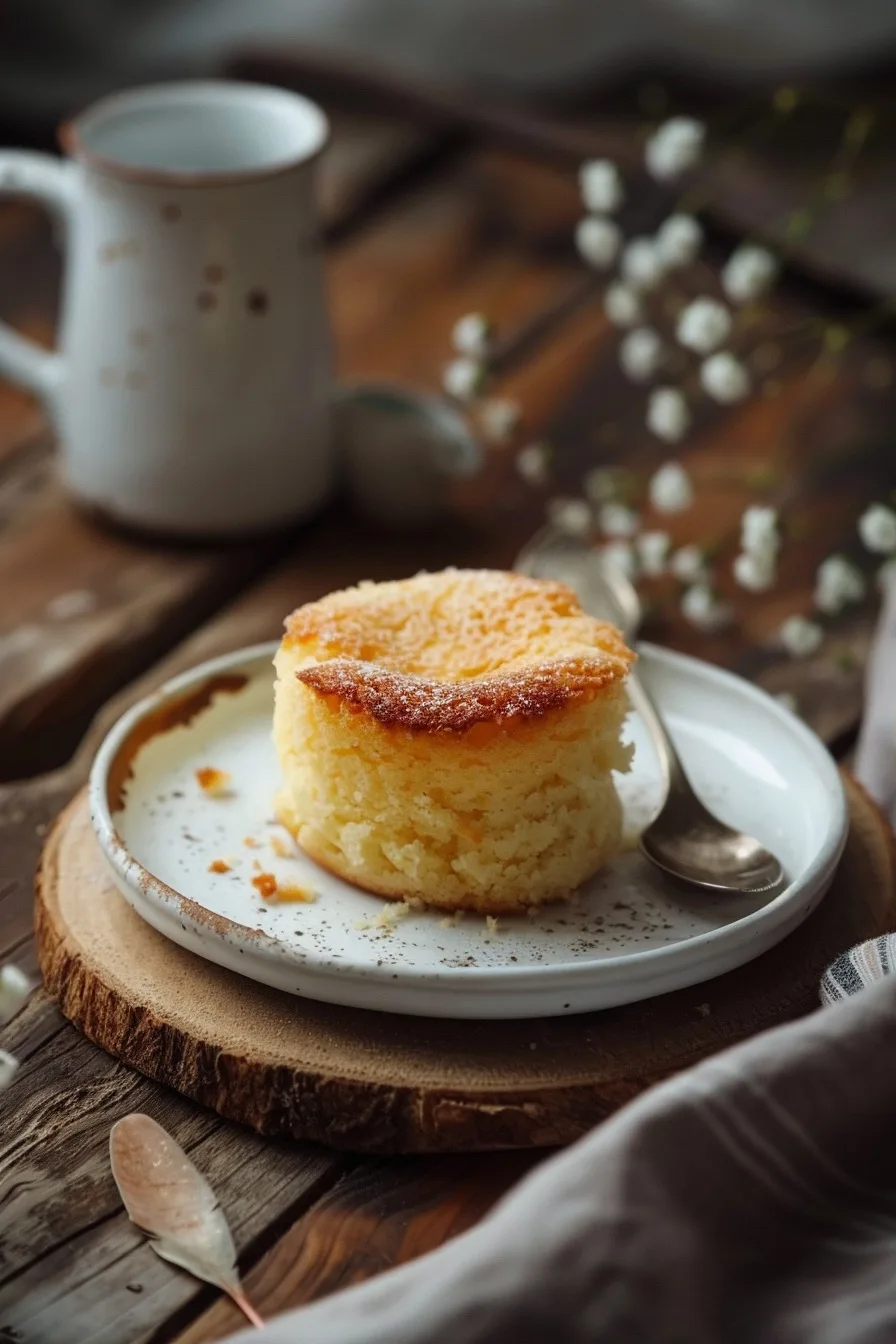
The cozy 1 min single serving vanilla mug cake recipe provides an immediate, science-backed solution for satisfying sudden dessert cravings without the need for an entire batch. By utilizing direct microwave energy to heat the water molecules within the batter, this process achieves rapid starch gelatinization and protein coagulation. This ensures a consistent, tender crumb structure in a fraction of the time required by a traditional convection oven.
Recipe Overview
| Metric | Details |
|---|---|
| Prep Time | 2 minutes |
| Cook Time | 1 minute |
| Total Time | 3 minutes |
| Servings | 1 |
| Difficulty | Beginner |
| Cuisine | American |
Why This Recipe Works
The science of a mug cake relies on the interaction between dry starch granules and liquid moisture under intense microwave radiation. As the microwave generates electromagnetic waves, the water molecules in the milk begin to vibrate, creating rapid thermal gain within the ceramic mug. This heat forces the flour proteins to swell and set quickly, preventing the dense, gummy texture often associated with failed microwave baking attempts.
I developed this specific ratio to balance leavening with structural integrity. By using exactly one-quarter teaspoon of baking powder, we generate enough CO2 to aerate the batter while maintaining a sturdy crumb that holds its shape. The sweetener acts as a tenderizer by preventing excessive gluten development, ensuring the cake remains moist and light rather than becoming tough or rubbery during the brief cooking cycle.
Precision is essential when working with such small volumes, as the thermal margin for error is significantly narrower than in standard baking. I suggest using a standard 12-ounce ceramic mug to provide the necessary surface area for even heat distribution. This technique ensures that the center cooks at the same rate as the edges, providing a uniform, professional-quality texture every time you need a quick, sweet treat.
Ingredients
| Ingredient | Quantity | Notes |
|---|---|---|
| All-Purpose Flour | 3 tbsp | Measure by scooping and leveling |
| Granulated Sweetener | 1 tbsp | White sugar or high-quality substitute |
| Baking Powder | 1/4 tsp | Ensure it is fresh for proper lift |
| Whole Milk | 2 tbsp | May use almond or soy for non-dairy |
| Vanilla Extract | 1/4 tsp | Use pure extract, not imitation |
Step-by-Step Instructions
Preparation
- Select a microwave-safe ceramic mug with at least a 10-ounce capacity to allow room for the rising batter.
- Combine the flour, sweetener, and baking powder directly inside the mug.
- Whisk the dry ingredients thoroughly with a small fork or spoon to ensure even distribution of the leavening agent.
Mixing and Cooking
- Pour the milk and vanilla extract into the dry mixture.
- Whisk all ingredients in a mug until the batter is completely smooth and free of large flour pockets.
- Microwave for 60 seconds on high power, watching for the cake to rise and the surface to look set.
- Cool for 30 seconds before consumption to allow the crumb to stabilize.
Chef Tips for Perfect Results
- Always whisk the dry ingredients before adding liquids to prevent clumps that microwave heat cannot break down.
- Ensure your baking powder is active; test it by dropping a pinch into warm water to see if it bubbles immediately.
- Do not overfill the mug; the cake needs vertical space to expand without bubbling over the sides.
- Use a ceramic mug instead of glass for superior heat retention and more uniform thermal conductivity.
- Check for doneness by touching the top; it should be firm and spring back slightly upon pressure.
Common Mistakes to Avoid
Overcooking is the primary cause of rubbery mug cakes, as prolonged exposure to microwaves dehydrates the proteins. Keep the cook time to exactly one minute, as even ten extra seconds can turn the crumb from fluffy to tough. If the cake appears wet in the center, add five-second intervals, but monitor it visually to ensure you do not surpass the moisture threshold.
Failing to sift or properly whisk dry ingredients results in bitter pockets of baking powder. Since you are not using an electric mixer, spend an extra fifteen seconds ensuring the batter is homogeneous. This ensures a consistent rise and prevents metallic aftertastes caused by concentrated leavening agents in the final bite.
Variations and Substitutions
| Ingredient | Substitution | Impact |
|---|---|---|
| Whole Milk | Unsweetened Almond Milk | Lower fat content, lighter texture |
| Vanilla Extract | Almond Extract | Adds a nuttier, floral aromatic note |
| Granulated Sugar | Coconut Sugar | Adds a slight caramel flavor profile |
Serving Suggestions and Pairings
This cake pairs exceptionally well with a small dollop of whipped cream or a fresh dusting of cinnamon. Serve alongside a warm cup of herbal tea or sparkling cider to complement the vanilla notes. For an upscale finish, incorporate a pinch of sea salt to enhance the natural sweetness of the vanilla.
Storage and Reheating
| Method | Duration | Technical Note |
|---|---|---|
| Room Temp | 1 Hour | Best consumed immediately to prevent drying |
| Fridge | 1 Day | Wrap mug tightly to retain moisture |
Nutritional Information
| Nutrient | Amount per Serving |
|---|---|
| Calories | 185 kcal |
| Protein | 3g |
| Fat | 1g |
| Carbohydrates | 40g |
Frequently Asked Questions
Can I use self-rising flour?
Yes, you can substitute the flour and baking powder with 3 tablespoons of self-rising flour. This modification removes the need for additional leavening agents while maintaining structural integrity.
Why did my cake collapse?
Collapsing usually occurs if the mug is opened mid-cycle or if the baking powder is expired. Keep the microwave door closed throughout the entire sixty-second period to maintain the steam pressure required for the rise.
Can I freeze the batter?
I do not recommend freezing the batter because the baking powder activates upon contact with moisture. Always prepare the batter immediately before cooking to ensure maximum air incorporation and a light crumb.
How do I know if it is fully cooked?
The cake should look dry on the surface and appear set throughout the middle. If it shimmers or appears liquid, cook for an additional ten seconds.
What if I do not have a microwave?
This recipe is specifically engineered for microwave thermal dynamics and cannot be easily translated to a convection oven. Stick to the microwave method for the intended rapid expansion and texture.
Mastering this cozy vanilla mug cake provides a reliable technique for high-quality, instant satisfaction. When you respect the science of rapid heat transfer and precise ingredient ratios, you achieve a cake that rivals traditional oven-baked desserts. Enjoy the subtle aromatic profile of the vanilla as the warm, tender crumb melts away, leaving a sense of culinary completeness.