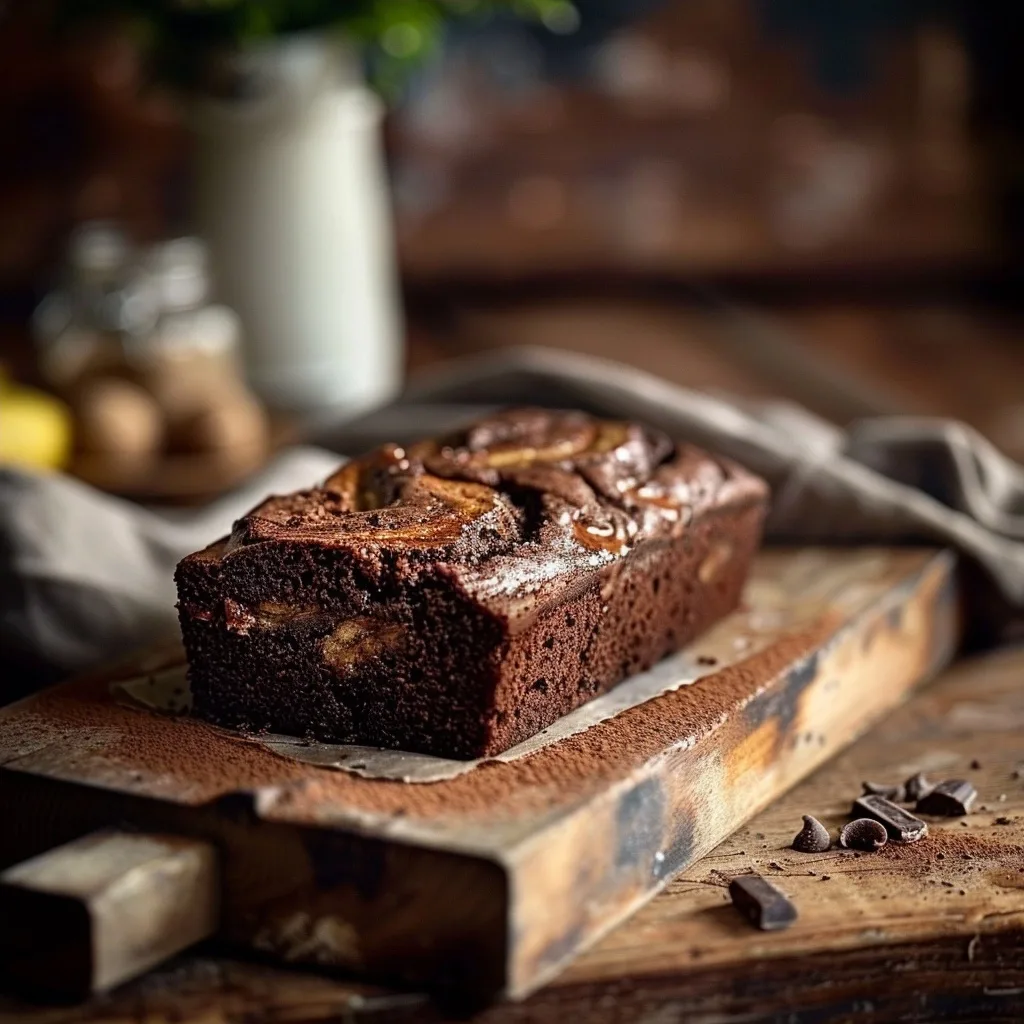

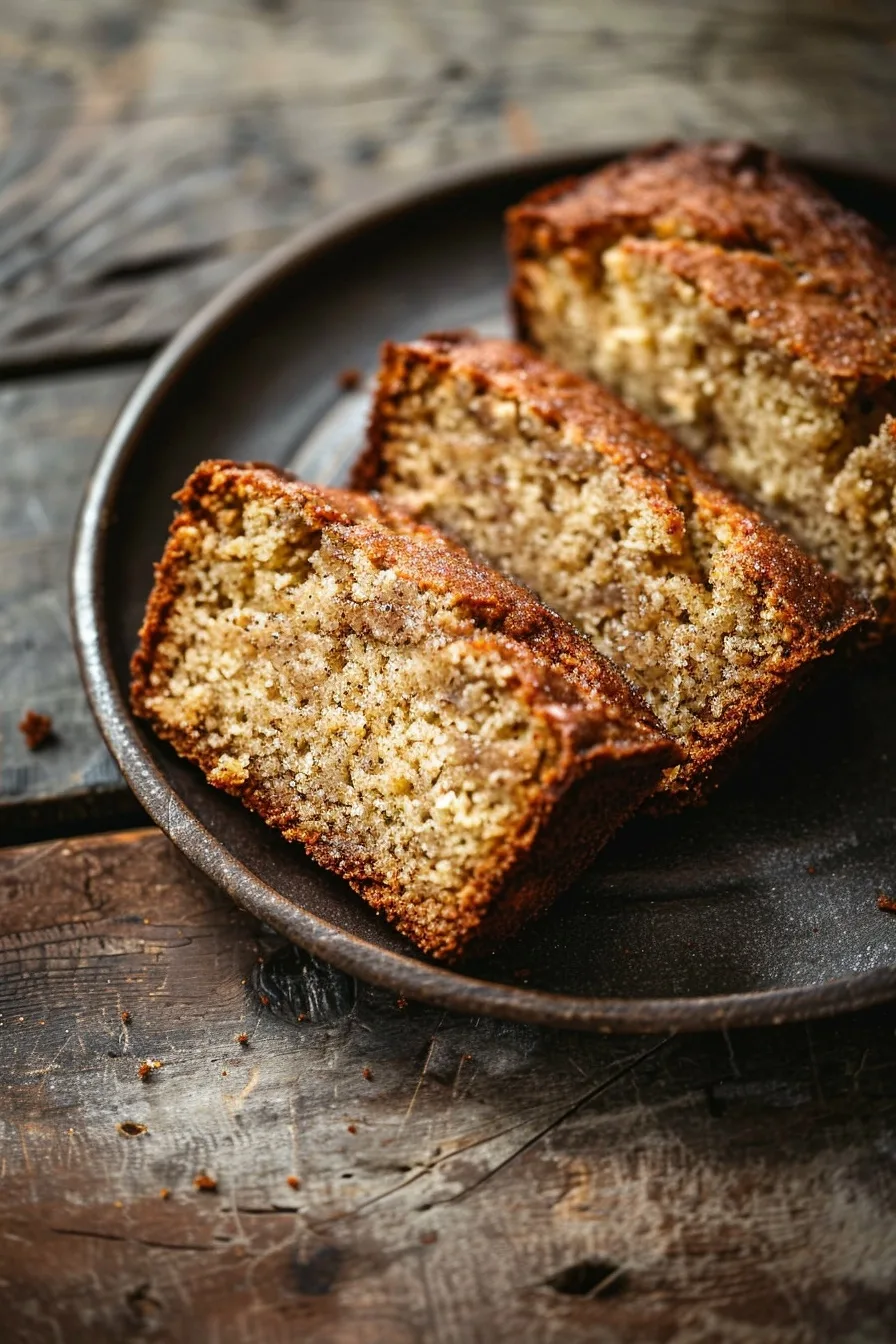
1 Minute Microwave Snickerdoodle Banana Bread for One is a rapid, single-serving breakfast solution that merges the dense moisture of banana cake with the bold, spice-forward finish of a classic snickerdoodle cookie. This recipe utilizes rapid starch gelatinization to yield a soft, cake-like crumb in less time than it takes to preheat a conventional oven, providing a perfect breakfast for those who prioritize efficiency without sacrificing quality.
Recipe Overview
| Metric | Details |
|---|---|
| Prep Time | 2 minutes |
| Cook Time | 1 minute |
| Total Time | 3 minutes |
| Servings | 1 |
| Difficulty | Beginner |
| Cuisine | American Modern |
Why This Recipe Works
The culinary logic behind this microwave bread relies on the rapid expansion of gases within the batter. As the microwave energy excites water molecules in the mashed banana and flour slurry, steam is generated almost instantaneously. This high-speed evaporation causes the baking powder to activate, pushing the structure of the starch upward before the protein network sets, resulting in a light, airy texture that is surprisingly tender for such a short cooking time.
I developed this specific ratio to solve the common issue of rubbery microwave cakes. By keeping the flour-to-fat ratio tight, we prevent the gluten strands from toughening into an elastic mass. The addition of banana provides essential pectin and moisture, acting as a natural binder that traps air pockets created during the microwave cycle. This ensures a moist crumb that maintains its integrity even after cooling.
The snickerdoodle profile relies on a precise balance of texture and aroma. By layering the cinnamon and sweetener specifically on the surface, we encourage a localized heat reaction that toasts the sugars slightly while the bread bakes from the inside out. This mimics the characteristic bite of a bakery cookie on top of the banana base, creating a two-toned sensory experience that feels far more intentional than a basic mug cake.
Ingredients
| Ingredient | Quantity | Notes |
|---|---|---|
| Mashed Banana | 1/4 cup | Use overripe fruit for better sweetness |
| All-Purpose Flour | 3 tbsp | Measure by leveling the scoop |
| Baking Powder | 1/4 tsp | Ensure potency for proper rise |
| Cinnamon | 1/4 tsp | Ground Ceylon preferred for depth |
| Sweetener | 1/2 tsp | Brown sugar or liquid honey works best |
Step-by-Step Instructions
Preparation and Mixing
- Select a microwave-safe mug with at least an 8-ounce capacity to allow for rising.
- Mash the banana thoroughly in the bottom of the mug using a fork until no large lumps remain.
- Add the flour, baking powder, and half of the cinnamon to the mug.
- Stir the mixture with a fork until just combined, ensuring you scrape the bottom edges to incorporate any dry flour pockets.
Cooking and Topping
- Level the surface of the batter gently using the back of your spoon.
- Sprinkle the remaining cinnamon and the sweetener across the top of the batter to create the signature snickerdoodle crust.
- Place the mug in the center of the microwave turntable.
- Heat on high power for exactly 60 seconds without interruption.
- Remove carefully, as the mug and the contents will be extremely hot.
Chef Tips for Perfect Results
- Use a banana with significant brown spotting, as the higher sugar content acts as a humectant to keep the bread moist.
- Do not over-mix; stop stirring as soon as the white streaks caused by the flour disappear to keep the texture light.
- Verify your microwave wattage; if you have a powerful industrial-grade microwave, reduce the time to 50 seconds to prevent over-coagulation of the proteins.
- Let the mug stand for 30 seconds after the cycle finishes to allow the steam to redistribute through the crumb, preventing a collapse.
- For extra depth, add a pinch of sea salt to the batter to contrast the sweetness of the banana.
Common Mistakes to Avoid
One common error is using a cold banana right out of the refrigerator, which prevents the proper blending of sugars and starches. Always use room-temperature bananas for better emulsification. Another failure point is adding too much flour, which creates a dense, pasty consistency; always use a flat-edged knife to level your measuring spoon exactly. Lastly, failing to let the bread rest causes the steam to escape too quickly, which results in a gummy texture that lacks structure.
Variations and Substitutions
| Ingredient | Substitution | Impact |
|---|---|---|
| All-Purpose Flour | Almond Flour | Result is nuttier and more fragile |
| Sweetener | Maple Syrup | Enhanced moisture and caramel notes |
| Banana | Applesauce | Lighter flavor with less distinct structure |
Serving Suggestions and Pairings
This dish excels when paired with a fresh, hot cup of black artisan coffee or a chilled glass of almond milk. For an upscale weekend morning, serve this alongside a small side of Greek yogurt topped with toasted walnuts to provide a pleasant crunch against the soft banana interior. It is best enjoyed immediately while warm, as the texture is at its peak right out of the microwave.
Storage and Reheating
| Method | Duration | Handling |
|---|---|---|
| Room Temp | 2 hours | Not recommended for longevity |
| Refrigeration | 24 hours | Seal in airtight container to prevent staleness |
| Reheating | 15 seconds | Add a damp paper towel over top to re-hydrate |
Nutritional Information
| Nutrient | Amount per Serving |
|---|---|
| Calories | ~140 kcal |
| Protein | 2g |
| Fat | 0.5g |
| Carbohydrates | 32g |
| Sugar | 12g |
| Fiber | 2g |
Frequently Asked Questions
Can I use gluten-free flour for this recipe?
Yes, you can substitute a 1:1 gluten-free baking blend that includes xanthan gum. Ensure you allow the batter to rest for two minutes before microwaving to properly hydrate the rice or potato starches present in the blend.
How do I know when the bread is finished cooking?
The top should look dry, springy, and pull away slightly from the sides of the mug. If you see a sticky, wet sheen, add another 10 seconds of cook time.
Can I freeze the batter for later use?
Freezing this specific batter is not recommended because the baking powder activates as soon as it touches the moisture of the banana. Always mix the ingredients immediately before cooking to ensure maximum rise.
What is the benefit of adding cinnamon on top?
Adding the spice on top allows it to bloom in the microwave heat, creating an aromatic crust. This separation ensures the cinnamon taste is prominent rather than diluted throughout the entire bread.
Why does the bread sometimes sink?
Sinking occurs when the microwave cycle is interrupted or the mug is too large for the amount of batter. Always use a small, 8-ounce mug to keep the batter concentrated and well-supported during the expansion phase.
Conclusion
Mastering this 1 Minute Microwave Snickerdoodle Banana Bread for One offers a reliable way to enjoy a complex dessert profile in minimal time. By understanding the interaction between banana pectin and high-speed heat, you can reliably produce a quick, warm, and satisfying breakfast. This recipe stands as a testament to the fact that fast cooking does not require compromise; you are left with a fragrant, moist treat that balances the warmth of cinnamon with the natural sweetness of fruit.