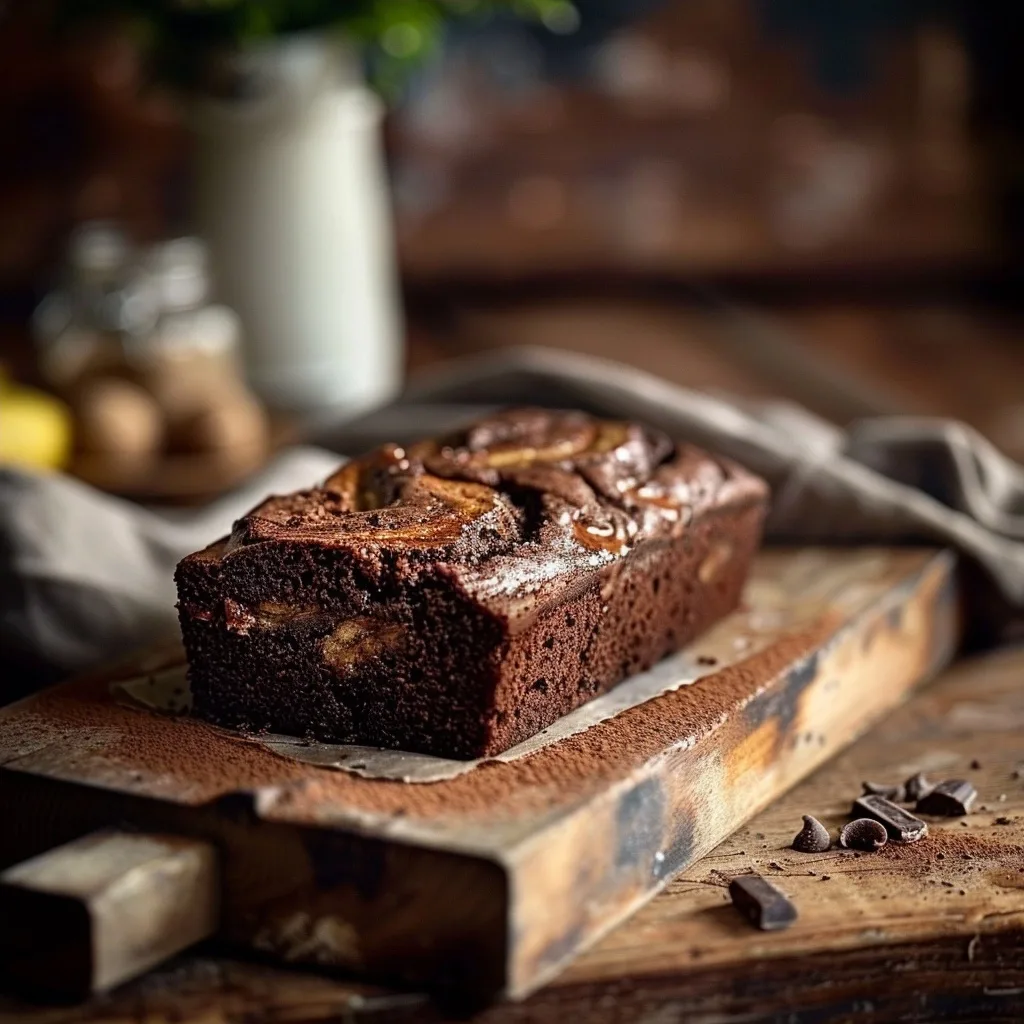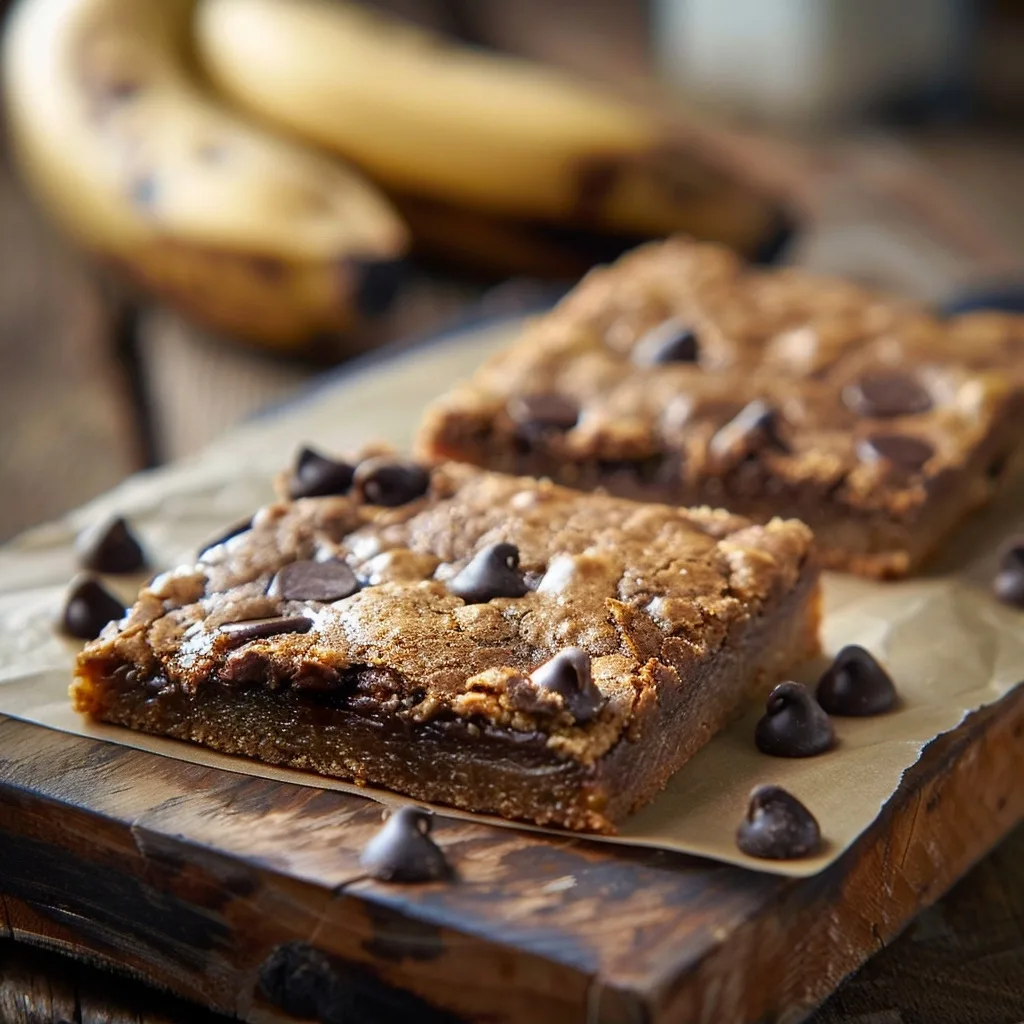

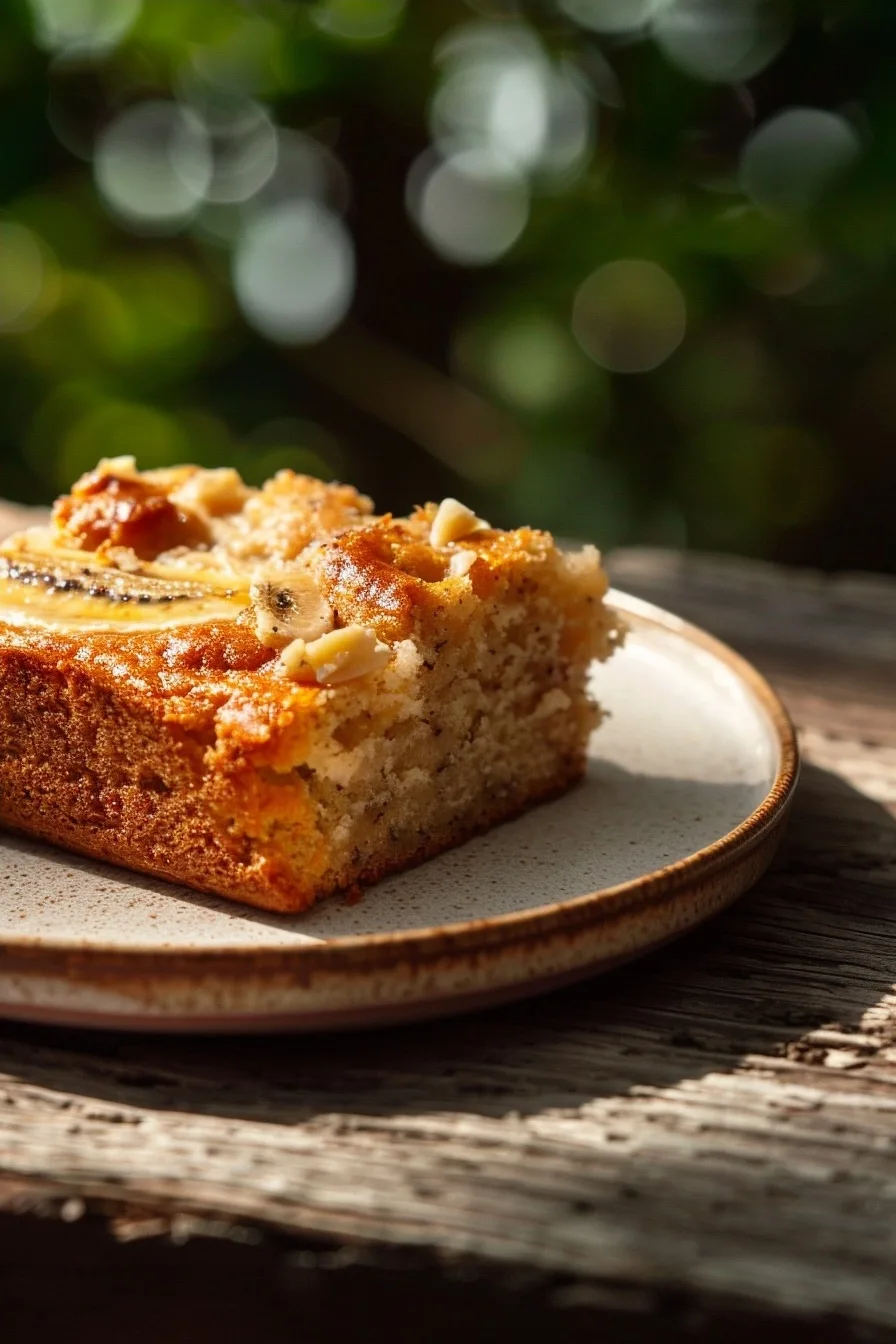
This guilt free Starbucks copycat banana bread mug cake provides a warm, comforting treat that mimics a bakery favorite in under two minutes. Using minimal ingredients and precise microwave thermal processing, you achieve a moist, tender crumb without the need for an entire loaf. It serves as an ideal solution for those seeking a quick, portion-controlled snack that fits perfectly into a busy lifestyle while satisfying cravings for fresh, baked comfort.
Recipe Overview
| Metric | Details |
|---|---|
| Prep Time | 2 minutes |
| Cook Time | 90 seconds |
| Total Time | 3.5 minutes |
| Servings | 1 |
| Difficulty | Easy |
| Cuisine | American |
Why This Recipe Works
The chemistry of a mug cake relies on the rapid expansion of air bubbles created by leavening agents trapped in a starch-heavy batter. I prefer using a fork to whisk the banana into a smooth puree because it acts as both a binder and a humectant. This ensures the cake remains moist despite the intense, dry heat of microwave radiation.
Most conventional bread recipes require long baking times to allow for structure development. By minimizing the ratio of flour to moisture, we allow the starches to gelatinize rapidly during the 70 to 90 seconds of microwave exposure. This process bypasses the extended protein coagulation phase typically found in oven-baked goods while maintaining a soft, delicate mouthfeel.
I utilize a specific brown sugar substitute to maintain the molasses-like depth of flavor found in classic banana bread. Because the cooking environment is small and enclosed, the moisture doesn’t evaporate as it would in an open oven. This containment is essential for achieving that characteristic dense, soft, and moist texture that makes Starbucks-style loaves so popular.
Ingredients
| Ingredient | Quantity | Notes |
|---|---|---|
| Mashed Banana | 1/4 cup | Must be very ripe for maximum natural sweetness. |
| All-Purpose Flour | 3 tbsp | For structural integrity. |
| Brown Sugar Substitute | 1 tbsp | Provides the necessary caramel-like depth. |
| Baking Powder | 1/4 tsp | Critical for the rise and airiness of the crumb. |
| Milk | 2 tbsp | Use whole milk or a plant-based alternative like almond milk. |
Step-by-Step Instructions
Prep and Mixing
- Peel a ripe banana and measure exactly 1/4 cup into a standard 12-ounce microwave-safe mug.
- Mash the banana thoroughly with a sturdy fork until it forms a uniform, creamy consistency with no large lumps.
- Add the flour, brown sugar substitute, and baking powder directly to the mug with the banana.
- Pour the milk over the dry ingredients to prevent clumping.
- Whisk the mixture vigorously with the fork until all dry pockets are incorporated and the batter is smooth.
Heating and Serving
- Position the mug in the center of the microwave turntable for even heat distribution.
- Microwave on high power for 70 seconds to test for doneness.
- Check the center; if the batter still looks wet, microwave in 10-second increments until the top appears set.
- Remove the mug carefully using an oven mitt, as the ceramic retains significant thermal energy.
- Allow the cake to rest for 60 seconds to complete the internal setting process.
Chef Tips for Perfect Results
- Use an overripe banana with brown spots to ensure the highest concentration of fruit sugars.
- Avoid over-mixing once you add the flour, as this can develop excess gluten and create a gummy texture.
- Clean the sides of the mug with a paper towel before cooking to ensure an even rise.
- Always use a microwave-safe mug with a handle to facilitate easy removal after the cooking cycle.
- Monitor the microwave closely; every machine varies in power, and the cake can turn rubbery if overcooked.
Common Mistakes to Avoid
Overcooking is the most frequent error, resulting in a tough and dry texture rather than a soft, crumb-like structure. If your cake feels rubbery, it has exceeded the necessary protein denaturation phase for a mug format. Another mistake involves using a cold banana, which inhibits the initial breakdown of sugars; keep your fruit at room temperature before processing.
Failing to whisk correctly leads to dry flour pockets in the bottom of the mug. Always drag your fork along the bottom edges of the mug during mixing to ensure all ingredients are homogenous. Finally, skipping the rest period prevents the cake from cooling enough for the starches to finalize their set, resulting in a messy interior.
Variations and Substitutions
| Ingredient | Substitution | Impact |
|---|---|---|
| Milk | Coconut Milk | Adds a subtle tropical aroma. |
| All-Purpose Flour | Oat Flour | Provides a heartier, denser texture. |
| Brown Sugar Sub | Maple Syrup | Increases liquid content slightly. |
Serving Suggestions and Pairings
Enjoy this banana bread warm with a light dusting of cinnamon or a small dollop of whipped cream on top. A cup of freshly brewed black coffee creates a sophisticated contrast to the sweetness, while a lightly salted macadamia nut topping adds a necessary textural crunch. This dish shines for quiet mornings or as a quick, satisfying midnight dessert.
Storage and Reheating
| Method | Duration | Technical Instructions |
|---|---|---|
| Room Temp | Do not store | Mug cakes are intended for immediate consumption. |
| Refrigerator | Up to 12 hours | Cover tightly with plastic wrap to prevent moisture loss. |
Nutritional Information (Approximate values)
| Nutrient | Amount per Serving |
|---|---|
| Calories | 160 |
| Protein | 3g |
| Fat | 1g |
| Carbohydrates | 35g |
Frequently Asked Questions
Can I add protein powder to this recipe?
You can add half a scoop of vanilla protein powder, but you will need to add an extra tablespoon of milk to balance the dry texture. Protein powder significantly alters the structure, so expect a denser, more substantial cake.
How do I know if the mug cake is finished cooking?
The cake is done when the top centers feel firm to the touch and no longer appear liquid-like. A toothpick inserted into the center should come out clean or with a few moist crumbs attached.
Is it possible to make this in an oven?
This recipe is specifically engineered for a microwave’s rapid, localized heating method. If you attempt this in an oven, the batter will dry out long before the center sets due to the low volume of ingredients.
Why did my cake turn out chewy?
Chewiness indicates that the flour was over-mixed, leading to gluten development. Handle the batter gently and whisk only until the ingredients are just combined.
Can I substitute the banana with other fruits?
You could swap the banana with pumpkin puree, but you will need to adjust the sweetener slightly. Banana provides a natural structural moisture that is difficult to recreate perfectly with other ingredients.
Conclusion
Mastering this guilt free Starbucks copycat banana bread mug cake allows for a delicious, reliable snack whenever the craving strikes. By understanding the science of microwave baking and the importance of ingredient ratios, you turn simple pantry staples into a gourmet-style comfort treat. The combination of warm, aromatic banana and a tender, soft crumb offers a satisfying culinary completion that proves simplicity is often the most sophisticated approach to home baking.