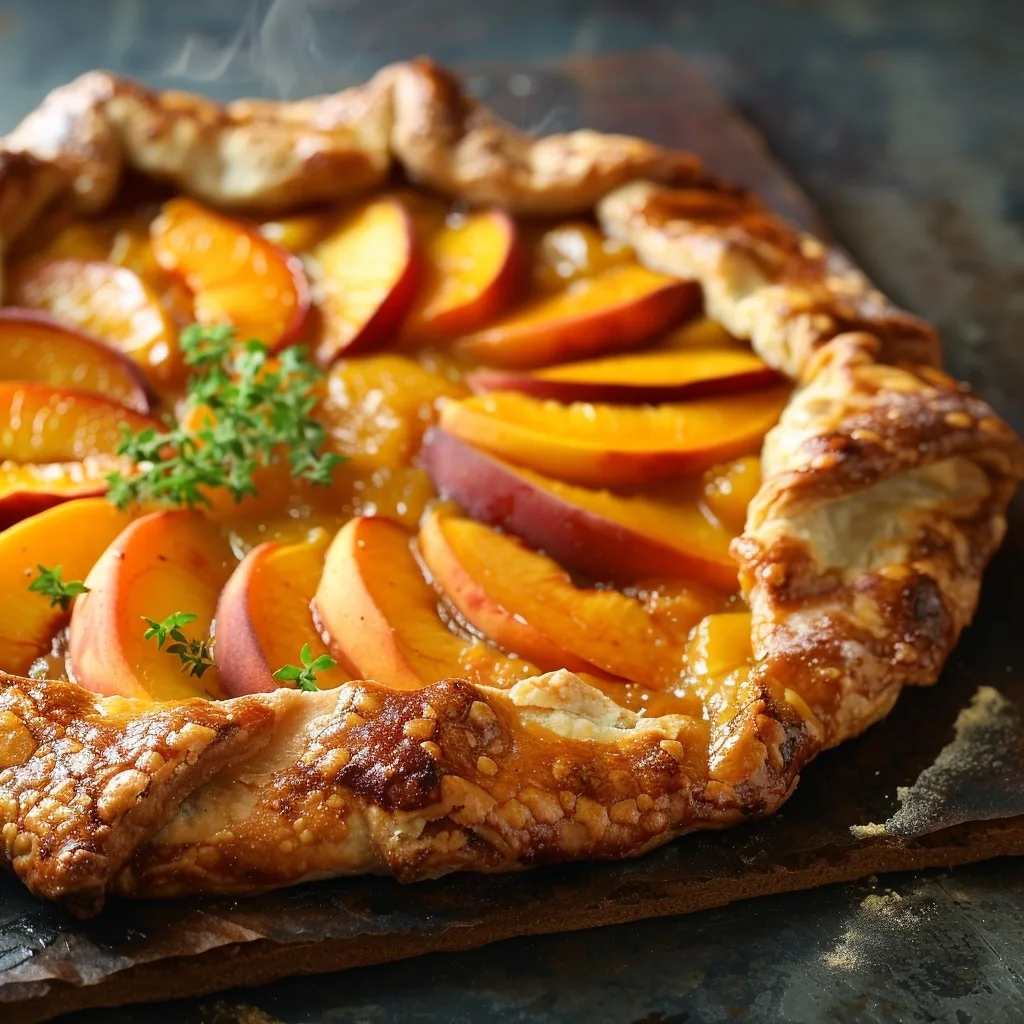

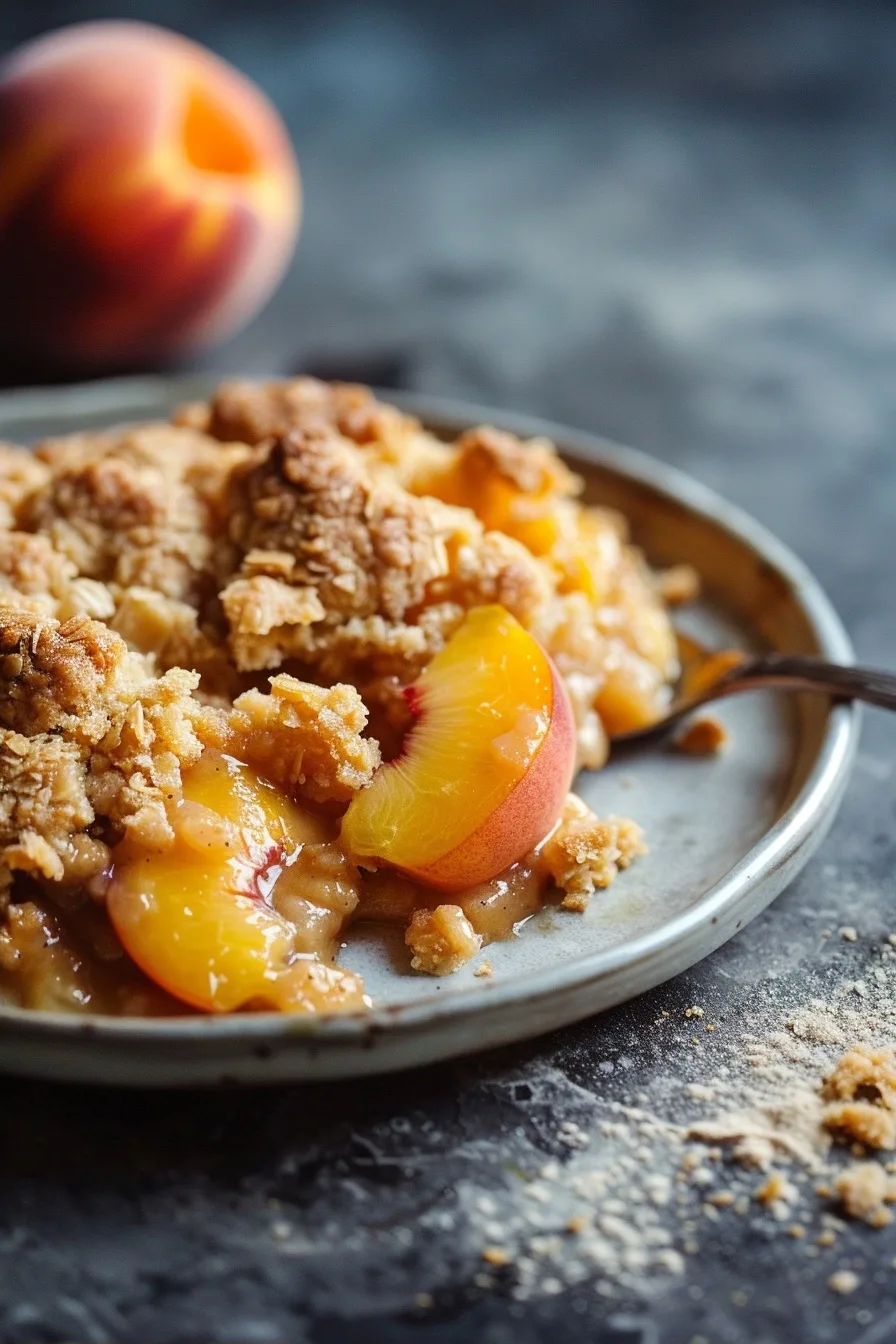
Homemade peach cobbler for one is a sophisticated dessert solution that utilizes short-wave radiation to achieve perfect starch gelatinization in minutes. This method provides the warm, gooey texture of a traditional baked cobbler using fresh fruit, flour, and healthy fats. You can enjoy a portion-controlled indulgence without the lengthy wait times or complex equipment usually associated with home baking. Achieving professional results requires scientific precision regarding moisture content and heat distribution.
| Prep Time | Cook Time | Total Time | Servings | Difficulty | Cuisine |
|---|---|---|---|---|---|
| 2 mins | 3 mins | 5 mins | 1 | Easy | American |
Why This Recipe Works
The science of this microwave cobbler relies on the rapid heating of water molecules within the fruit and the surrounding batter. As the microwave energy penetrates the mixture, it causes the starch granules in the flour to absorb moisture and swell, creating a tender crumb. Unlike conventional ovens which cook via ambient heat, this method focuses energy directly on the interaction between the peach juices and the dry ingredients.
I use coconut oil as the primary fat because its high saturated fat content provides a stable structure during quick heating cycles. As the oil melts, it prevents the flour proteins from creating too much elasticity, ensuring the shortcake-like texture stays light rather than gummy. This creates a balanced interior while the natural sugars in the peaches caramelize through localized spot-heating within the mug.
Precision in the placement of the batter is essential for the final mouthfeel. By spooning the mixture directly over the peaches, you create a steaming effect where the fruit releases juice that bubbles up through the batter. This process ensures the base remains moist and jammy while the dough cooks through in under three minutes, resulting in a perfectly balanced individual-sized treat.
Ingredients
| Ingredient | Quantity | Notes |
|---|---|---|
| Fresh Peach | 1/2 medium | Diced into 1/2 inch cubes |
| All-Purpose Flour | 2 tbsp | Provides structure to the cobbler topping |
| Sweetener | 1 tbsp | Granulated sugar or honey |
| Milk | 1 tbsp | Low-fat or dairy-free alternative works well |
| Coconut Oil | 1/2 tsp | Refined for neutral flavor or unrefined for scent |
Step-by-Step Instructions
Preparation Phase
- Dice the half-peach into uniform cubes to ensure even heat penetration during the cooking cycle.
- Place the diced peaches at the bottom of a microwave-safe mug or small ramekin.
Batter Assembly
- Combine the flour, sweetener, milk, and coconut oil in a separate small bowl.
- Whisk the mixture vigorously until the batter reaches a smooth, spreadable consistency.
- Spoon the thick batter evenly over the bed of diced peaches, taking care not to mix it in.
Cooking and Finishing
- Microwave the mug on high power for 2 to 3 minutes, checking at the 2-minute mark for doneness.
- Remove carefully, as the container will be hot, and let it rest for sixty seconds to allow the steam to finish the cook.
Chef Tips for Perfect Results
- Use a wide-mouth mug to ensure the steam can escape evenly, preventing the batter from becoming too dense.
- If you prefer a darker, more caramelized top, place the mug under a broiler for 30 seconds after microwaving.
- Always ensure your peaches are ripe, as the added sugar will not compensate for low natural fruit sweetness.
- Test the center with a toothpick to ensure the flour has fully gelatinized and no raw pockets remain.
- Let the cobbler rest briefly, as the internal temperature will continue to rise after the microwave turns off.
Common Mistakes to Avoid
Overcooking is the most common error, which causes the sugars in the fruit to burn and turns the cake into a rubbery puck. To prevent this, monitor the microwave closely during the final minute of cooking, as wattage differences across models significantly impact timing. If the batter appears liquid after three minutes, add ten-second bursts rather than a full additional minute.
Using flour that has not been properly aerated can result in heavy, dense cobbler tops. Lightly spoon the flour into your measuring tool rather than scooping it directly from the bag to ensure accuracy. If you encounter raw spots, it often means the batter was placed too thickly in one spot, so ensure an even spread across the peaches before starting the cook cycle.
Variations and Substitutions
| Ingredient | Substitution | Impact |
|---|---|---|
| Coconut Oil | Unsalted Butter | Richer flavor, slightly higher milk solid content |
| Milk | Almond Milk | Lighter crumb structure with a mild nutty note |
| Flour | Oat Flour | Adds a rustic, chewy texture and more fiber |
Storage and Reheating
| Method | Duration | Technical Instructions |
|---|---|---|
| Refrigerated | 24 Hours | Wrap tightly in plastic to prevent dehydration |
| Reheating | 30 Seconds | Microwave on medium power to retain moisture |
Nutritional Information
| Nutrient | Amount per Serving |
|---|---|
| Calories | 185 kcal |
| Carbohydrates | 32g |
| Protein | 2g |
| Fat | 6g |
Frequently Asked Questions
Can I use frozen peaches for this recipe?
Yes, thaw the peaches and pat them dry thoroughly before placing them in the mug. Excess water will ruin the batter texture, so removing surface moisture is required for success.
What is the best way to check doneness?
The top should be firm to the touch and matte in appearance, not shiny or wet. A toothpick inserted into the center should emerge clean without any wet batter attached.
Can this be made gluten-free?
You may use a high-quality 1-to-1 gluten-free baking flour blend for this recipe. These blends perform well in quick-cook environments because they are formulated to mimic the structure of wheat flour.
Is this recipe meal-prep friendly?
It is best prepared fresh for the right texture, though you can pre-measure the dry ingredients in a small container. When ready, simply add the fruit, liquid, and fat to cook.
What if the cobbler bubbles over?
This usually occurs if you use a mug that is too small for the volume of ingredients. Always ensure your mug is at least double the volume of the total ingredient mixture to accommodate the expansion.
This individual peach cobbler stands as a testament to efficient dessert engineering. By balancing the acidity of fresh fruit with a simple, high-protein batter, you achieve a warm, comforting treat in record time. Practice this technique to refine your control over microwave-bound culinary applications. The result is a vibrant, juicy, and tender dish that proves gourmet quality does not require hours in a kitchen.