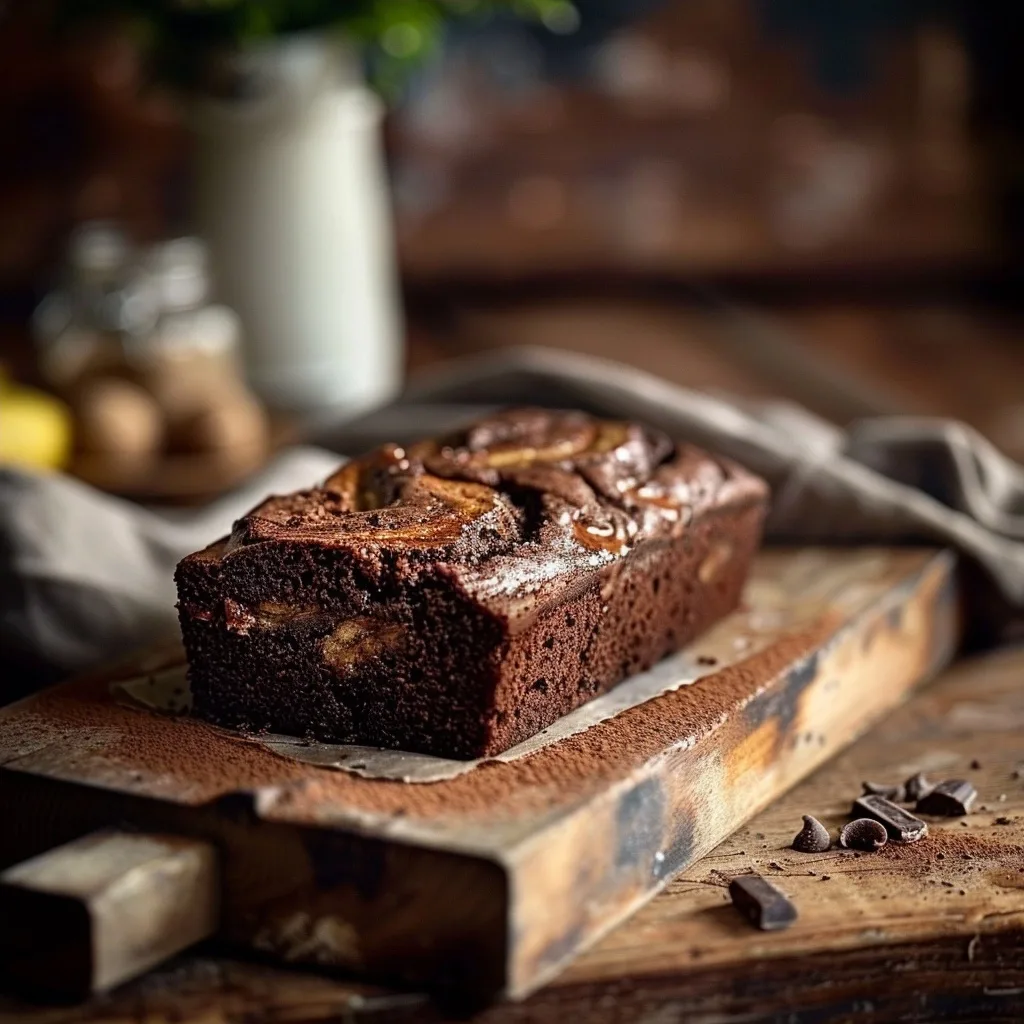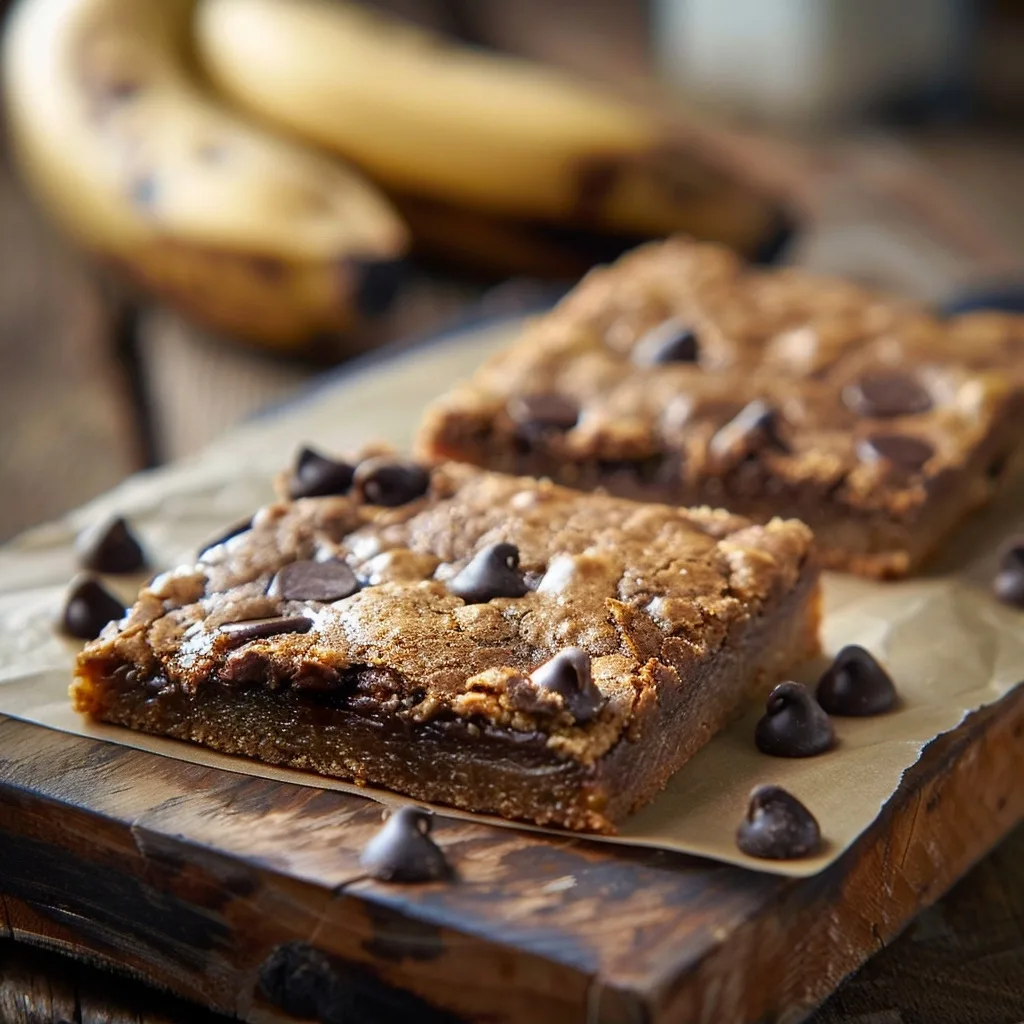

A micro prep single serve brownie mix cookie for one provides a rapid, high-intensity chocolate experience by harnessing high-frequency microwave energy to set a dense, fudgy crumb. This culinary method optimizes portion control while delivering professional-grade texture outcomes in under two minutes of total active time. By leveraging starch gelatinization with minimal fat content, this dessert achieves a satisfying chew without the necessity of heating a full oven.
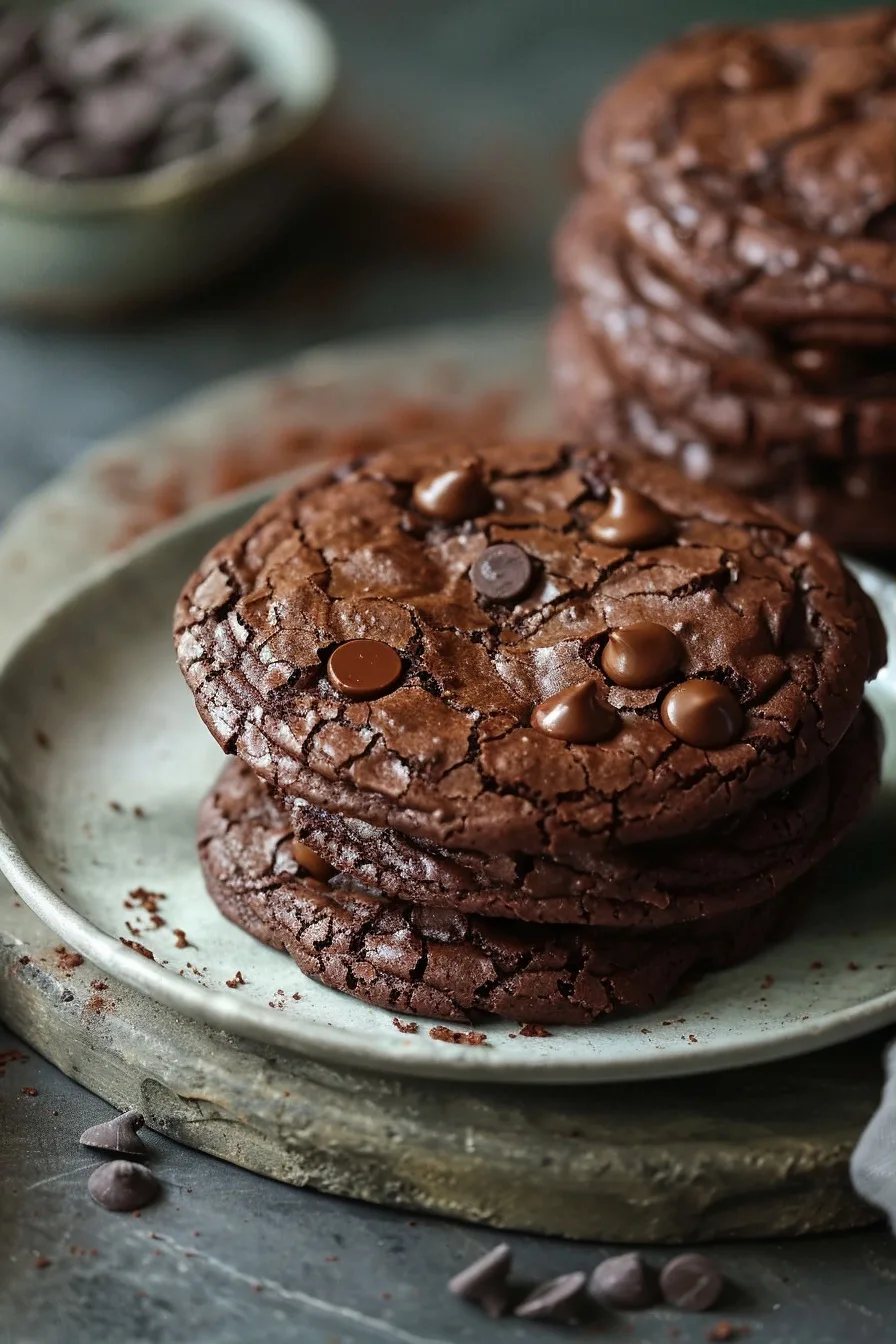
Why This Recipe Works
The science of this recipe relies on rapid heat transfer provided by dielectric heating. Molecules of water within the batter vibrate at billions of cycles per second, causing a swift rise in temperature that forces the brownie mix and flour binder to hydrate and set simultaneously. Unlike traditional baking which relies on convection, this microwave-based method produces a steam-baked environment that keeps the crumb moist.
I chose a specific ratio of three parts commercial brownie mix to one part all-purpose flour to regulate the moisture levels. Commercial mixes are formulated with high sugar and fat content that can often lead to a soupy mess in a single-serve application. Adding supplemental flour acts as a structural stabilizer, ensuring the cookie retains its integrity during the rapid expansion phase.
We also utilize precise liquid ratios to balance protein denaturation within the wheat flour. By incorporating exactly one tablespoon of milk, we facilitate the solubility of the dry ingredients while maintaining a dough-like consistency that bakes into a solidified cookie rather than a cake-like structure. This technique ensures a dense, chewy mouthfeel that rivals traditional cookie textures.
Ingredients
| Ingredient | Quantity | Notes |
|---|---|---|
| Brownie Mix | 3 tbsp | Look for high-quality cocoa solids. |
| All-Purpose Flour | 1 tbsp | Provides structural integrity and chew. |
| Milk | 1 tbsp | Whole milk preferred for protein content. |
Step-by-Step Instructions
Preparation
-
Combine the brownie mix and all-purpose flour in a small mixing bowl, whisking until the color is uniform and no clumps remain.
-
Add the tablespoon of milk to the dry mixture and incorporate using a silicone spatula until a thick, uniform dough forms.
-
Transfer the dough onto a microwave-safe plate or into the base of a wide-rimmed mug, gently shaping it into a thick disc.
Baking
-
Place the plate or mug in the center of the microwave turntable for even energy distribution.
-
Cook on high power for exactly 45 seconds to achieve the characteristic fudgy texture.
-
Remove carefully, as the plate will be hot, and allow the cookie to set on the counter for sixty seconds before consuming.
Chef Tips for Perfect Results
-
Ensure your microwave turntable is level to prevent the dough from migrating to one side during the cooking cycle.
-
Avoid over-mixing once the milk is added, as excessive gluten development can lead to a rubbery rather than fudgy texture.
-
Use a wide-rimmed plate rather than a deep mug if you prefer crispy edges similar to standard cookies.
-
Select a high-quality cocoa mix to ensure the final product has a deep, complex flavor profile that masks the speed of the cooking process.
-
Let the cookie rest after cooking, as the residual heat continues to stabilize the structure as it cools.
-
Monitor the cookie through the microwave door; if it begins to bubble aggressively, hit stop, as this indicates moisture loss and potential hardening.
Common Mistakes to Avoid
-
Mismatched ratios: Using too much milk creates a liquid puddle; stick to the one-to-three ratio for optimal dough density.
-
Uneven cooking: Placing the cookie off-center in the microwave causes inconsistent starch gelatinization, leading to raw spots.
-
Skipping the rest phase: Cutting into the cookie immediately after the timer stops prevents the structure from firming up, causing it to crumble prematurely.
-
Using high-fat substitutes: Stick to standard dairy or soy milk; heavy cream or high-fat alternatives can cause the fats to separate during the rapid heating phase.
Variations and Substitutions
| Ingredient | Substitution | Impact |
|---|---|---|
| Milk | Soy Milk | Slight increase in protein density, stable texture. |
| Brownie Mix | Gluten-Free Mix | Requires an extra quarter-teaspoon of oil for moisture. |
Serving Suggestions and Pairings
This dessert pairs effectively with a small scoop of vanilla bean gelato or a dollop of fresh, unsweetened whipped cream to balance the intensity of the chocolate. For a gourmet presentation, sprinkle a pinch of Maldon flaky sea salt over the top immediately after removing it from the microwave. Pair with a glass of chilled almond milk or a hot cup of roasted dandelion tea for a complete post-dinner treat.
Storage and Reheating
| Method | Duration | Handling |
|---|---|---|
| Ambient | 1 Hour | Do not store; consume immediately for texture. |
| Refrigeration | 24 Hours | Wrap tightly in plastic film; microwave 10 seconds to refresh. |
Nutritional Information
| Nutrient | Amount per Serving |
|---|---|
| Calories | 185 kcal |
| Fat | 6g |
| Carbohydrates | 32g |
| Protein | 2g |
Approximate values. Calculations based on standard cocoa-based brownie mix.
Frequently Asked Questions
Can I substitute the brownie mix with plain cocoa powder?
No, standard brownie mix contains essential leavening agents and stabilizers, whereas plain cocoa powder will create a bitter, dense, and non-palatable mass.
How do I know when the cookie is finished baking?
The cookie is done when the surface appears set, slightly glossy, and springs back gently when touched with your fingertip.
Why is my cookie rubbery after cooking?
Rubbery texture indicates over-mixing the dough, which develops excessive gluten strands that toughen when subjected to microwave radiation.
Can I freeze the raw dough for later?
Freezing is not recommended as the leavening agents in commercial mixes will lose potency long before the dough reaches the required freezing temperature.
How can I adjust the sweetness of this dessert?
You can balance the sweetness by adding a pinch of espresso powder to the dry mix or adding a small quantity of finely chopped dark chocolate before cooking.
This single-serve method successfully balances speed with professional culinary standards. By respecting the chemical interactions during rapid heating, you achieve a result that is both decadent and manageable. Enjoy the intense, fudgy profile of this chocolate treat as a perfectly portioned conclusion to any evening.