
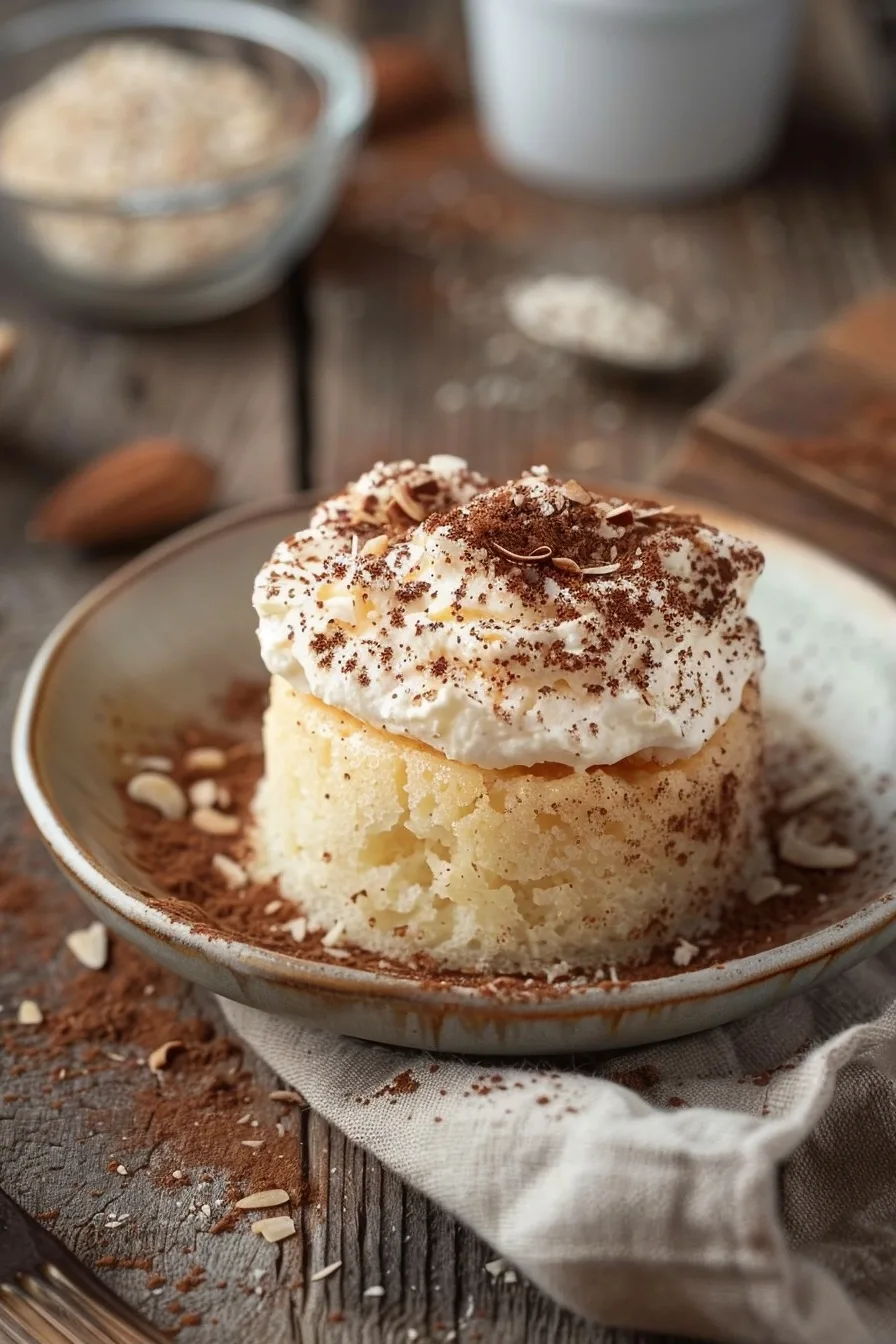
Single Serve Almond Cream Mug Cake (Gourmet Flavor Hack) is a sophisticated, quick-fix dessert engineered for immediate satisfaction and professional-grade texture. By utilizing precise chemical leavening and thermal conduction, this recipe transforms basic pantry staples into a moist, aromatic sponge in under two minutes. It stands as a masterclass in minimalist baking, relying on the chemistry of starch gelatinization and almond oil solubility to deliver a gourmet experience without the need for an oven. This is the definitive method for high-quality, instant gratification.
| Prep Time | Cook Time | Total Time | Servings | Difficulty | Cuisine |
|---|---|---|---|---|---|
| 2 min | 1 min | 3 min | 1 | Easy | American |
Why This Recipe Works
The science behind this mug cake relies on the rapid interaction between the leavening agent and the protein structure of the flour. When the baking powder reacts with the moisture from the milk and cream, it generates carbon dioxide bubbles that become trapped in the protein network. This creates a light, crumbly texture that mimics traditional cakes despite the unconventional heating method. By utilizing a small volume, I ensure the heat reaches the center before the exterior overcooks, maintaining a tender crumb.
My focus on almond extract over vanilla creates a distinct, nutty aromatic profile that cuts through the starchiness of the flour. Almond extract contains benzaldehyde, an aromatic compound that is far more potent than the volatile compounds found in vanilla. By keeping the lipid content high through the addition of heavy cream, I coat the flour starches, preventing rapid retrogradation, which effectively keeps the cake moist even after exposure to the dry heat of the microwave.
Temperature management is the final hurdle in this culinary task. Because microwaves oscillate water molecules to generate heat, timing is critical. I have calibrated this recipe to hit the precise moment where proteins denature and starch granules swell. If you pull the mug out at exactly sixty seconds, you achieve a delicate balance of structure and moisture. Anything longer results in a rubbery, over-set protein structure that lacks the refinement required for a gourmet result.
Ingredients
| Ingredient | Quantity | Notes |
|---|---|---|
| All-Purpose Flour | 3 tbsp (24g) | Standard protein content (10-11%) |
| Granulated Sugar | 1 tbsp (12g) | Fine-grain sugar dissolves best |
| Baking Powder | 1/4 tsp (1g) | Ensure it is fresh for optimal lift |
| Whole Milk | 2 tbsp (30ml) | Full-fat produces the best mouthfeel |
| Almond Extract | 1/4 tsp (1.2ml) | Use pure extract for deep flavor |
| Heavy Cream | 1 tsp (5ml) | Provides essential lipid structure |
Step-by-Step Instructions
Preparation
-
Select a microwave-safe mug with a capacity of at least 8 ounces to allow for the expansion of the batter during the heating cycle.
-
Combine the flour, granulated sugar, and baking powder in the mug, using a small whisk or fork to ensure the leavening agent is evenly dispersed through the dry matrix.
Mixing and Heating
-
Incorporate the milk, almond extract, and heavy cream into the dry mixture.
-
Whisk the batter thoroughly for 30 seconds until the consistency is smooth and free of large flour pockets.
-
Clean the inside rim of the mug to prevent uneven scorching during the microwave process.
-
Heat the mug on high power for exactly 60 seconds, observing the rise to ensure it does not overflow.
Chef Tips for Perfect Results
-
Use a wide-mouth mug to ensure even distribution of microwave energy across the entire surface area.
-
Avoid over-mixing the batter; excessive mechanical agitation develops gluten, leading to a tough and rubbery cake.
-
Let the cake rest for one minute after removing it from the microwave to allow the internal temperature to equalize and set.
-
Always use a room-temperature mug, as cold ceramic can disrupt the initial rapid heating of the batter.
-
Check the microwave power wattage; if your unit is high-output, reduce the time to 50 seconds to maintain tenderness.
-
Measure flour by leveling your measuring spoon with the flat side of a knife to ensure scientific accuracy.
Common Mistakes to Avoid
One frequent error is failing to incorporate the baking powder fully. This leaves bitter, unreacted pockets of leavening that leave an unpleasant soapy aftertaste in the finished cake. Whisking the dry ingredients together before adding the liquid components is the best way to prevent this common failure.
Using low-fat milk causes a lack of richness and alters the hydration of the flour particles. The moisture evaporates too quickly in the high-heat environment of a microwave, leading to a dry result. Always stick to whole milk or even full-fat soy for the necessary structural integrity.
Misjudging the microwave run-time leads to gummy, under-cooked centers or dense, leather-like edges. If the center looks wet but the edges are dark, your unit is likely running too hot; adjust your power levels accordingly. Testing for doneness can be done with a small toothpick, which should come out clean but slightly moist.
Variations and Substitutions
| Ingredient | Substitution | Impact on Flavor/Texture |
|---|---|---|
| Whole Milk | Oat Milk | Adds a slight hint of earthiness |
| Granulated Sugar | Maple Syrup | Increases moisture and adds a woody note |
| Heavy Cream | Coconut Cream | Introduces a tropical undertone; very decadent |
Serving Suggestions and Pairings
This cake is best served immediately, while the aromatic compounds of the almond extract are still volatile and potent. Pair it with a cup of hot, unsweetened Earl Grey tea or a robust black coffee to contrast the sweetness. For a refined touch, consider a light dusting of toasted sliced almonds or a small spoonful of fruit compote, which provides necessary acidity to balance the richness of the heavy cream.
Storage and Reheating
| Method | Duration | Instructions |
|---|---|---|
| Countertop | Maximum 2 hours | Store in an airtight container if not served immediately. |
| Fridge | 24 hours | Cover tightly; reheat for 15 seconds to restore moisture. |
Nutritional Information
| Nutrient | Amount per Serving (Approximate) |
|---|---|
| Calories | 215 |
| Protein | 4g |
| Fat | 8g |
| Carbohydrates | 32g |
Frequently Asked Questions
Can I use self-rising flour?
Yes, you can substitute self-rising flour, but you must omit the baking powder. Self-rising flour already contains the necessary leavening agents to create the lift required for this cake.
How do I know when it is done?
The cake is finished when the top appears set and springs back slightly when lightly touched with a fingertip. A toothpick inserted into the center should emerge clean without any liquid batter.
What if the cake is too dry?
Dryness is usually caused by overcooking, which denatures the proteins too rapidly. Next time, decrease the microwave time by five to ten seconds.
Can I freeze the batter?
Freezing the batter is not recommended. The leavening reaction begins the moment liquids mix with the baking powder, and shelf-life for the raw batter is very limited.
Can I add chocolate chips?
You can add half a teaspoon of mini chocolate chips for extra texture. Ensure they are distributed evenly so they do not sink to the bottom of the mug.
By mastering the ratio of lipids and starches within this singular format, you have achieved a reliable, gourmet dessert solution. The interaction of almond extract and heavy cream provides a rounded, complex depth that surpasses typical quick-mix recipes. It rewards precision and patience, resulting in a perfectly tender cake every time. Enjoy the rich, nutty notes of the final product, balanced by the delicate structure of the sponge.